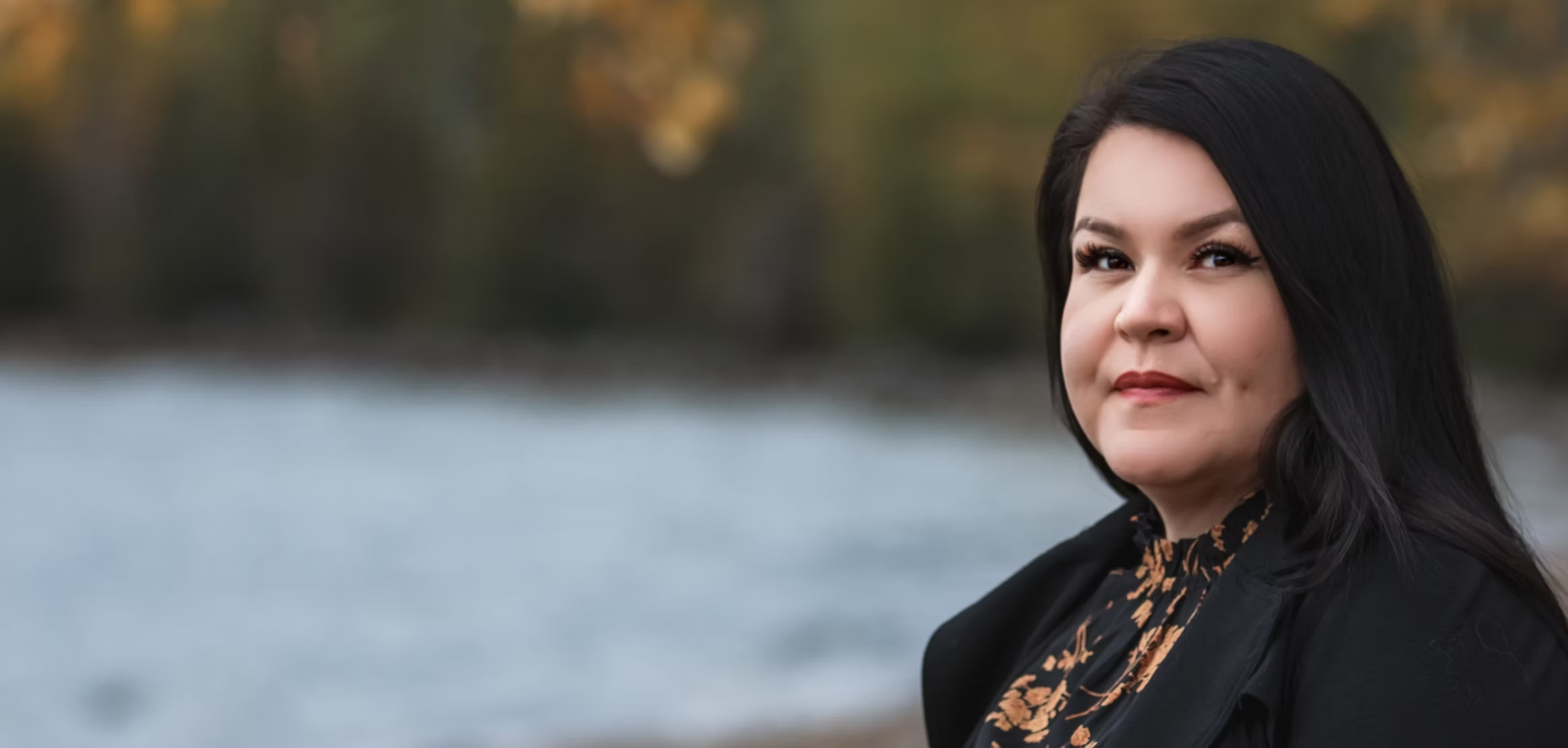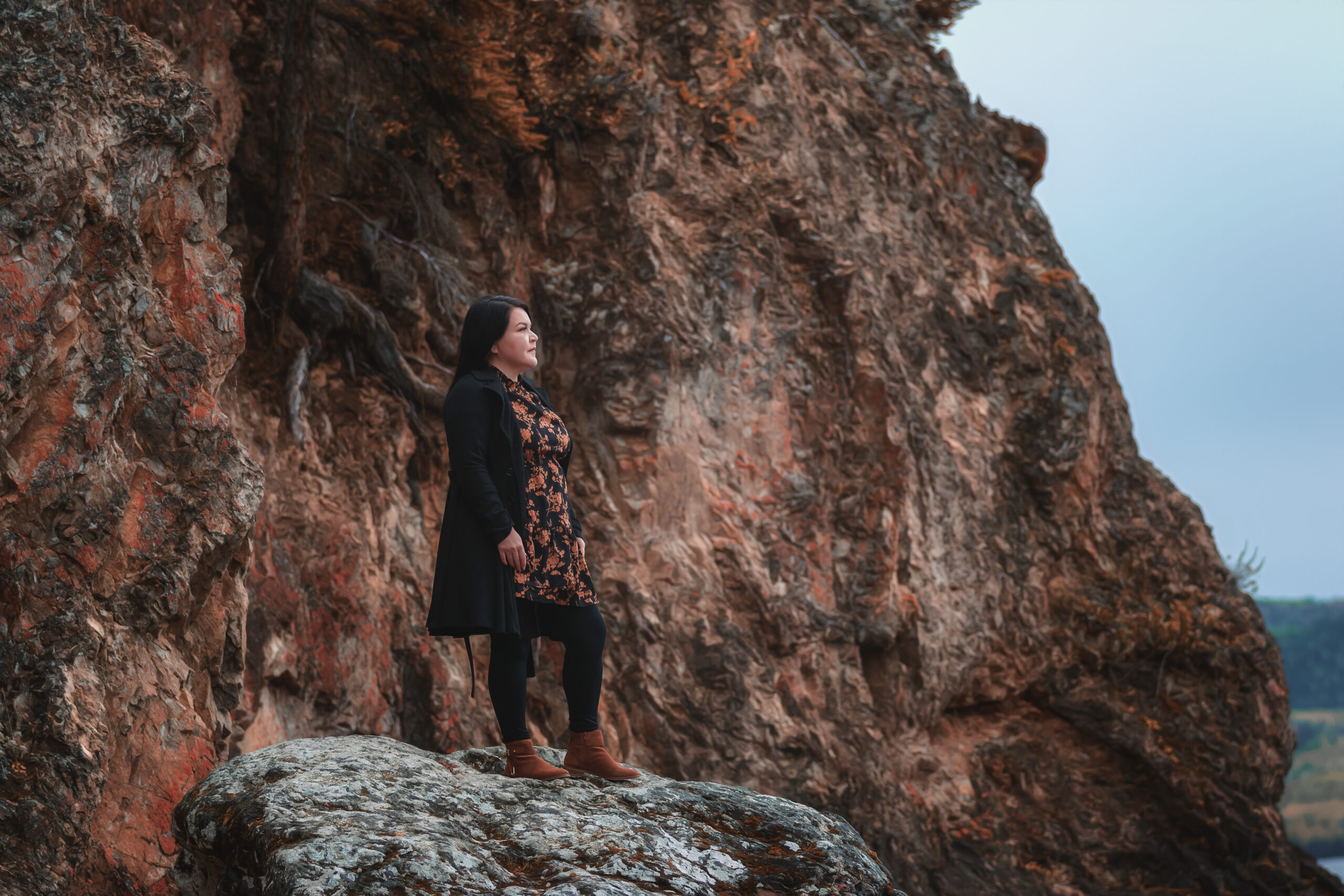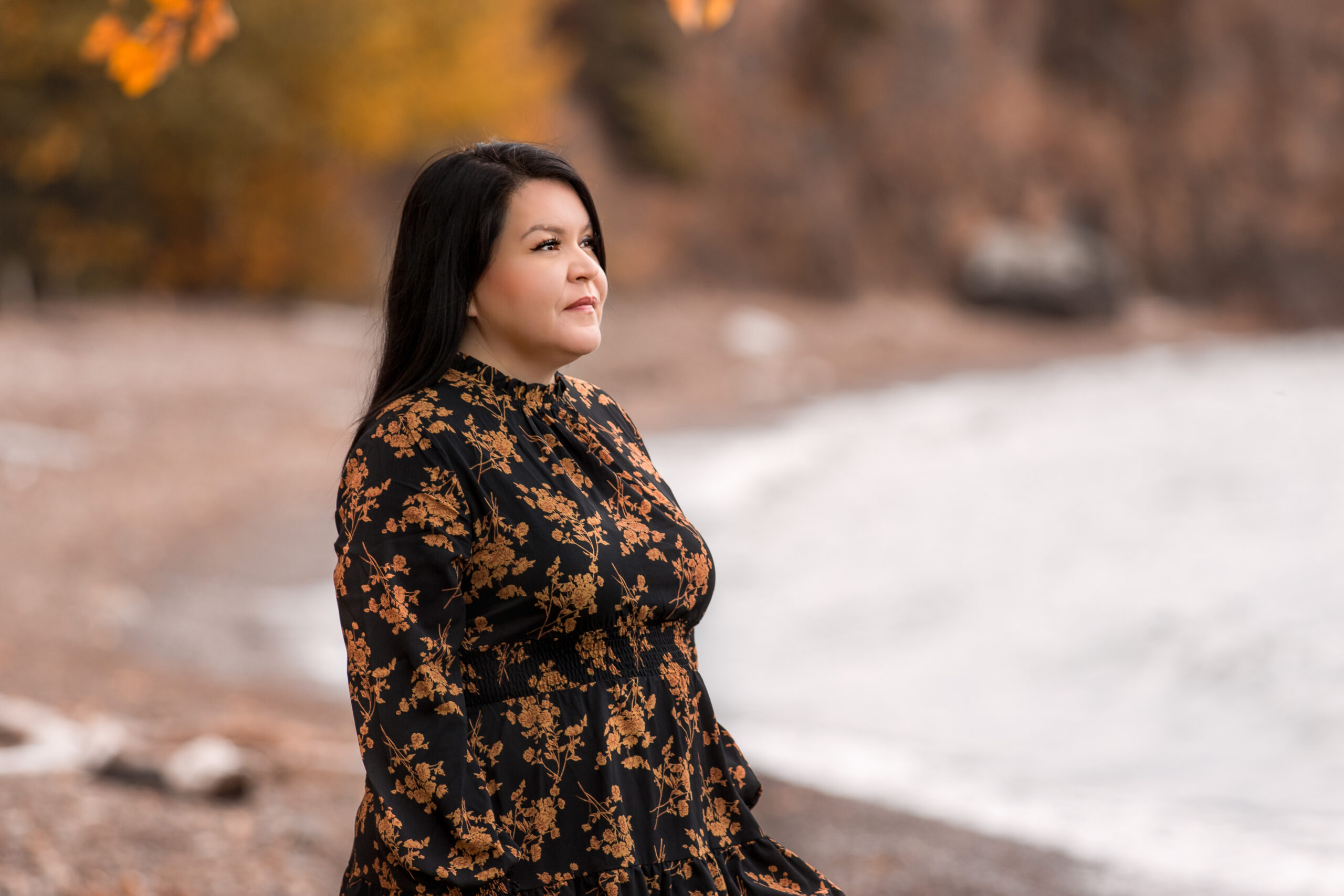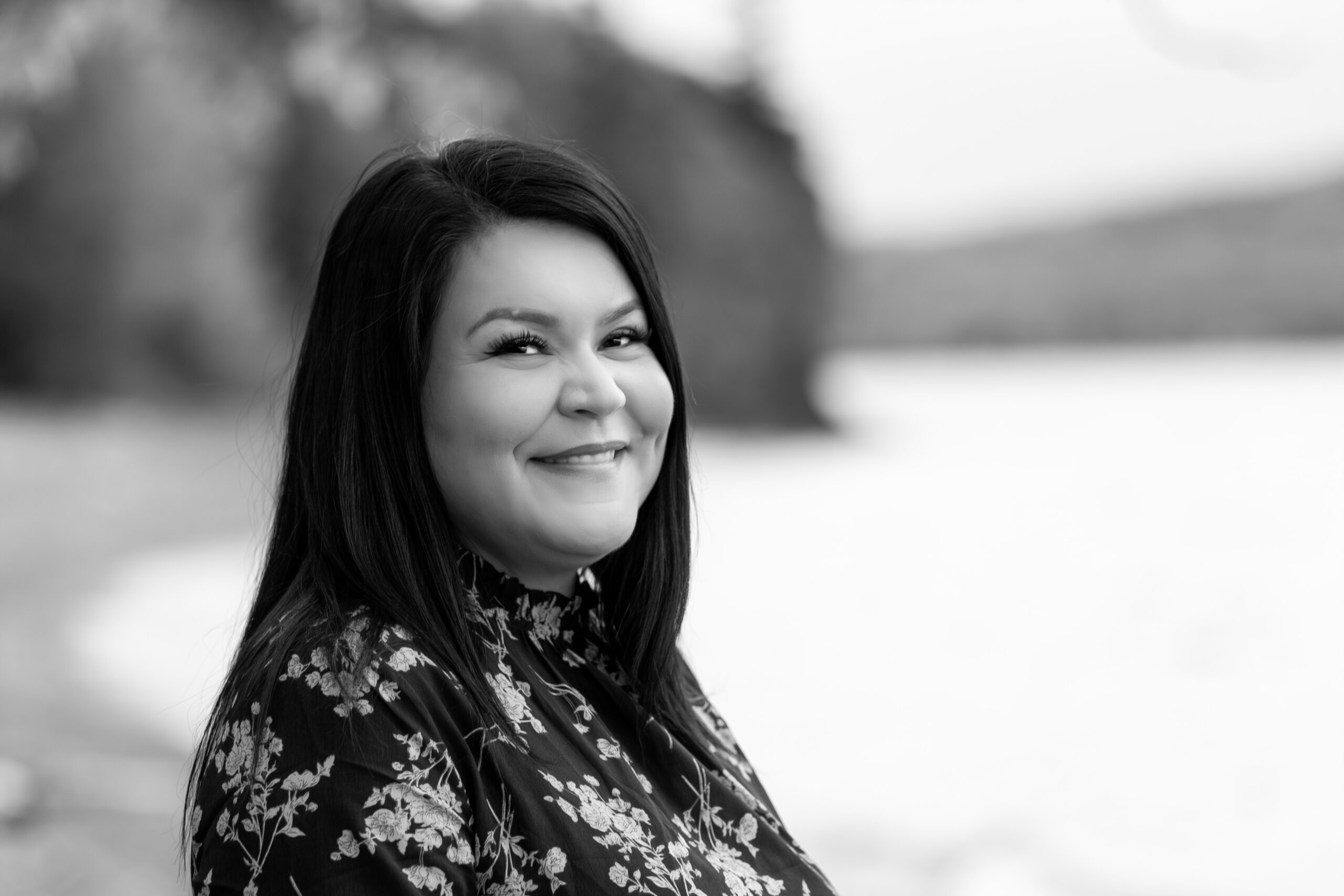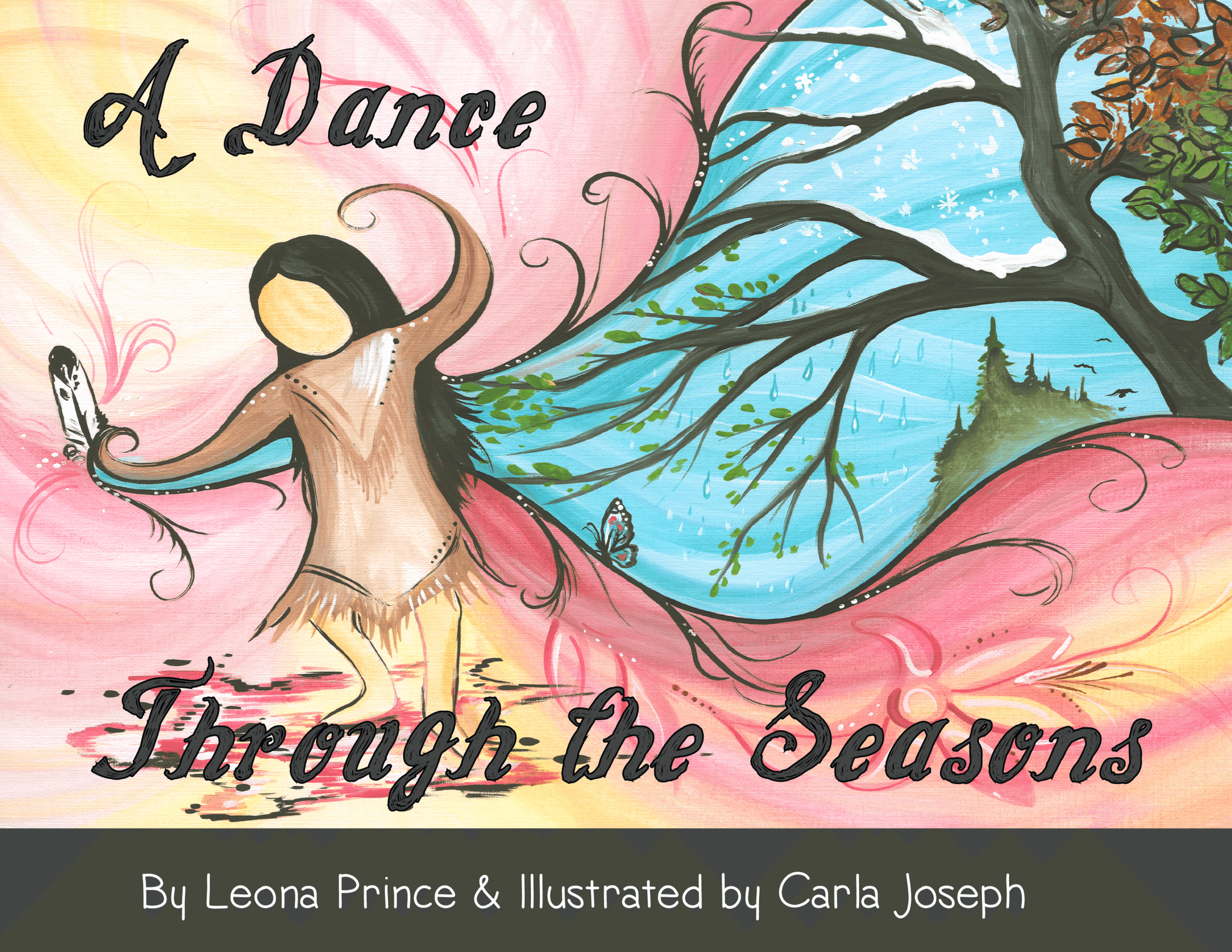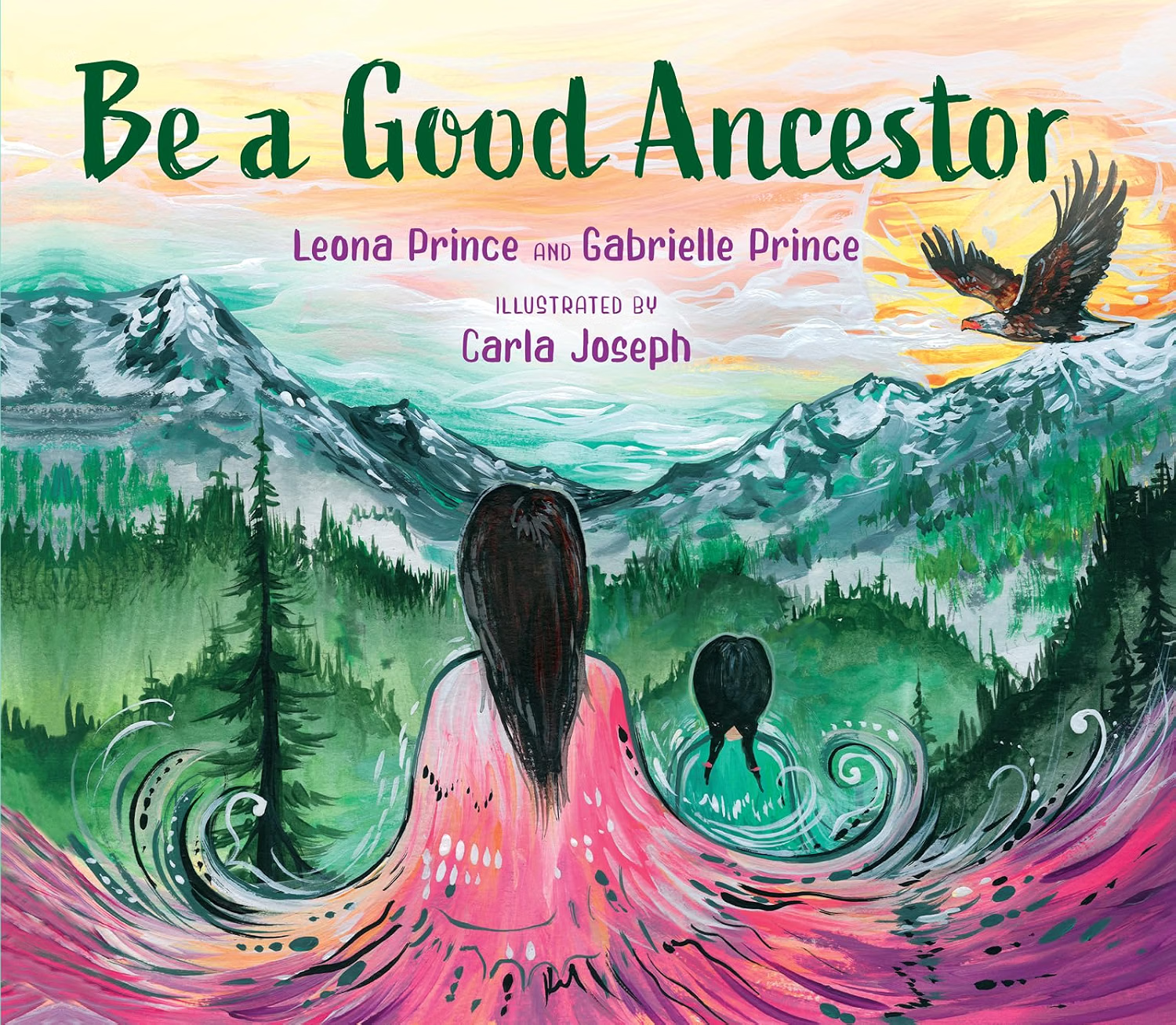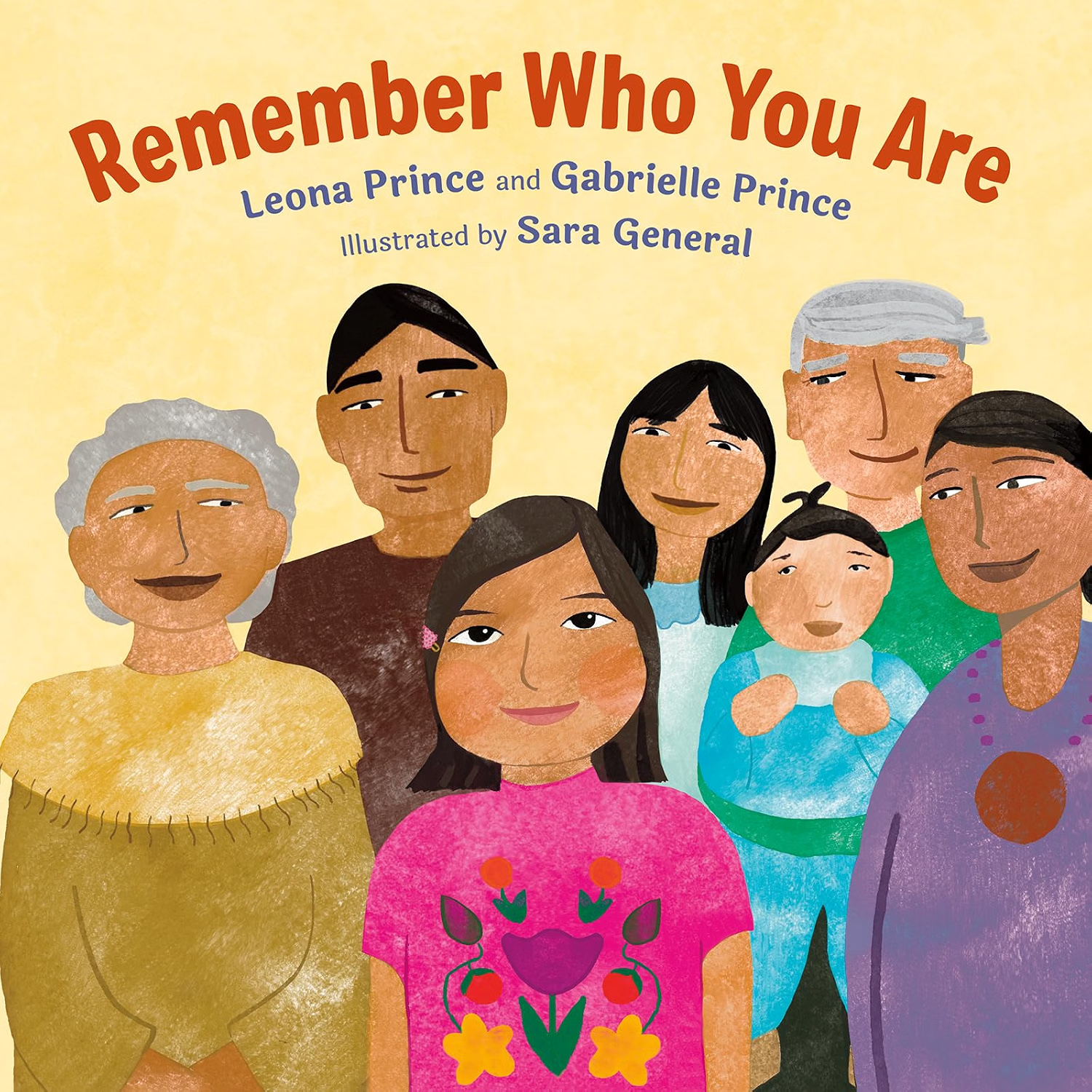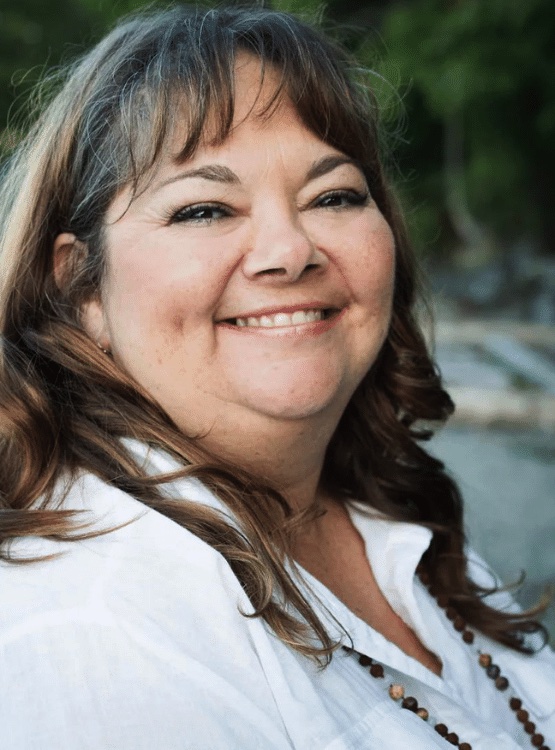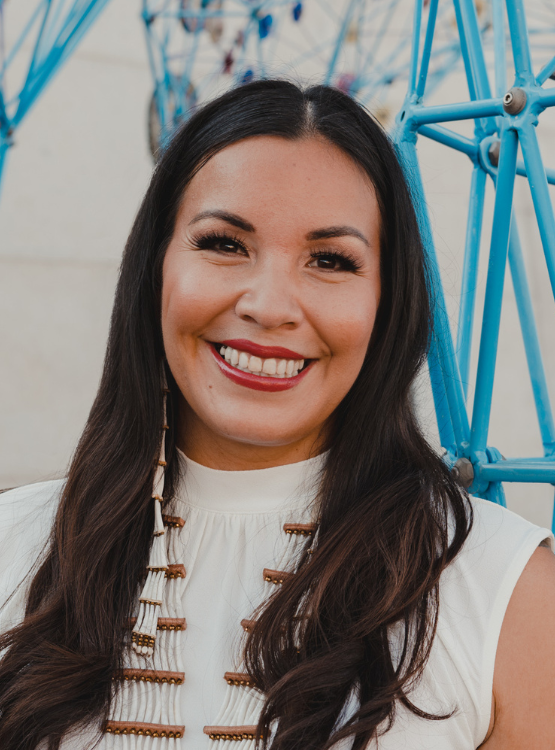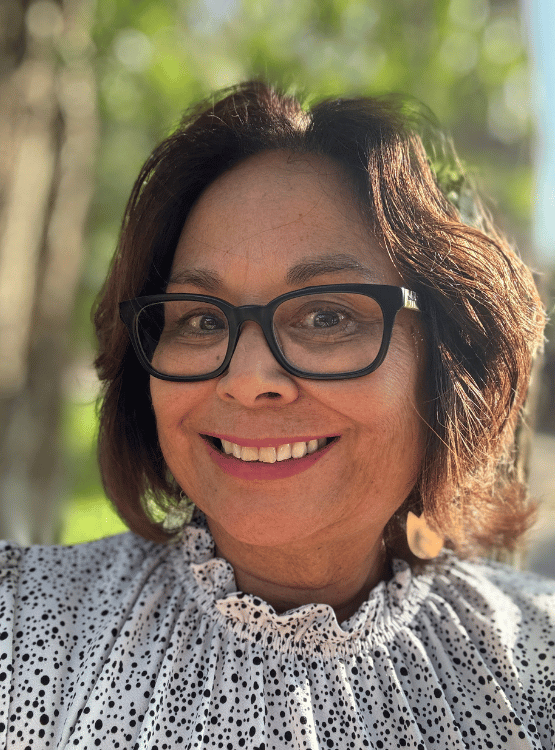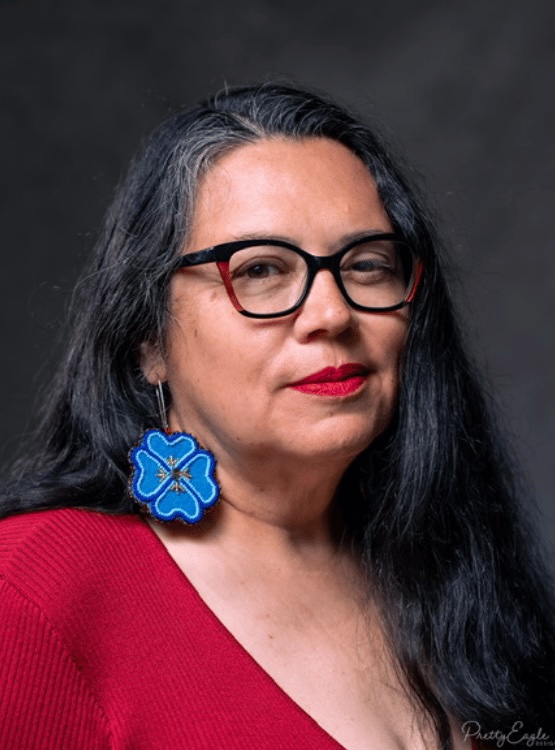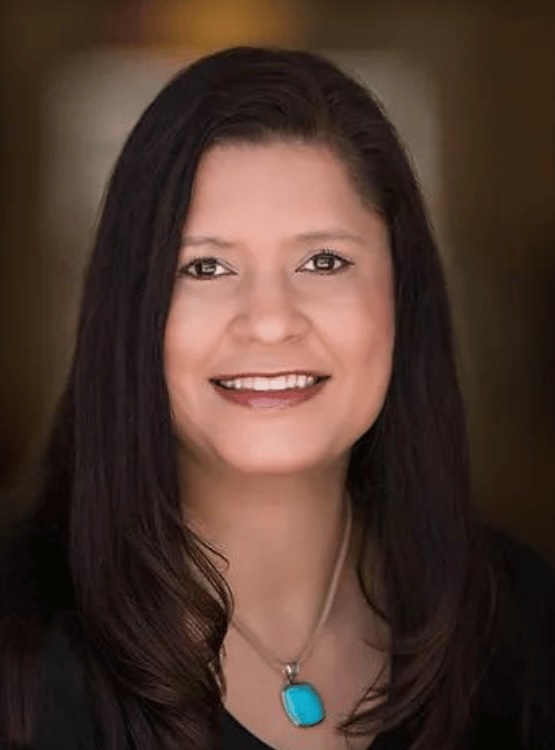
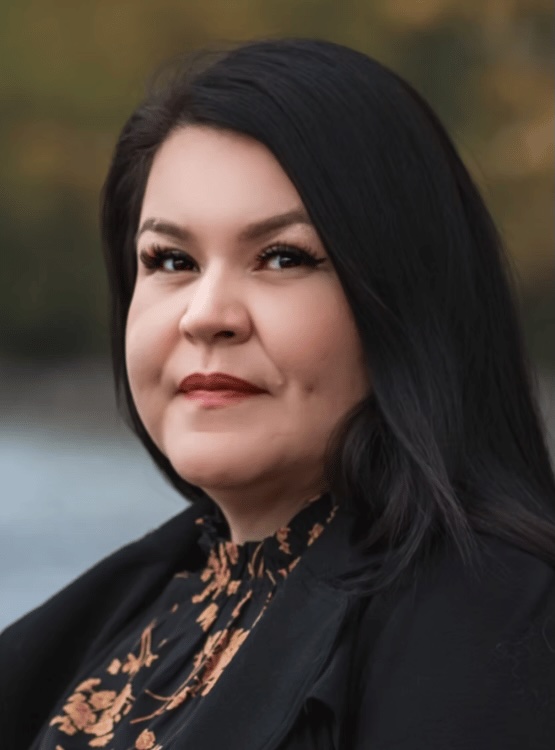

Leona Prince is a Dakelh woman from the Nak’azdli Whut’en, belonging to the Lhts’umusyoo (Beaver Clan), and a proud member of the Lake Babine Nation. She is an educator, author, researcher, entrepreneur, and advocate whose work focuses on Indigenous education, land-based learning, family engagement, language revitalization, and reconciliation. Leona currently serves in educational leadership and is pursuing a Doctor of Education (EdD) at the University of British Columbia Okanagan. Her doctoral research, “Carry Their Voices: Re-storying and Restoring Indigenous Family Engagement in Education,” explores how Indigenous families experience and define engagement with schools through kinship, culture, and relational accountability.
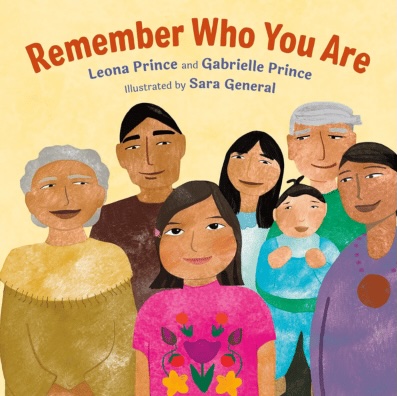
An award-winning educator and researcher and bestselling children’s author, Leona has written several books that centre Indigenous knowledge, identity, and connection to the land, including Be a Good Ancestor, A Dance Through the Seasons, Remember Who You Are and Little Brown Girl. Her growing body of work includes educational resources, teacher guides, children’s literature, and non-fiction focused on Indigenous resurgence, educational transformation, and land-based learning. Drawing from both traditional teachings and contemporary educational practice, Leona works alongside Indigenous Nations, school districts, post-secondary institutions, and organizations across Canada to support meaningful reconciliation and Indigenous student success. Her work bridges Indigenous and Western ways of knowing while honouring the knowledge systems, governance structures, and responsibilities that have sustained Indigenous peoples since time immemorial.
Beyond education, Leona is passionate about Indigenous entrepreneurship, community wellness, documentary storytelling, and reconnecting people to the land. Through writing, speaking, consulting, and media projects, she strives to create spaces where Indigenous voices are centered, stories are honoured, and future generations can thrive.
Above all, Leona believes that education is an act of relationship. Whether she is writing books, conducting research, teaching, speaking, or working on the land, her goal remains the same: to help carry the voices of those who came before us and create a better path for those yet to come.
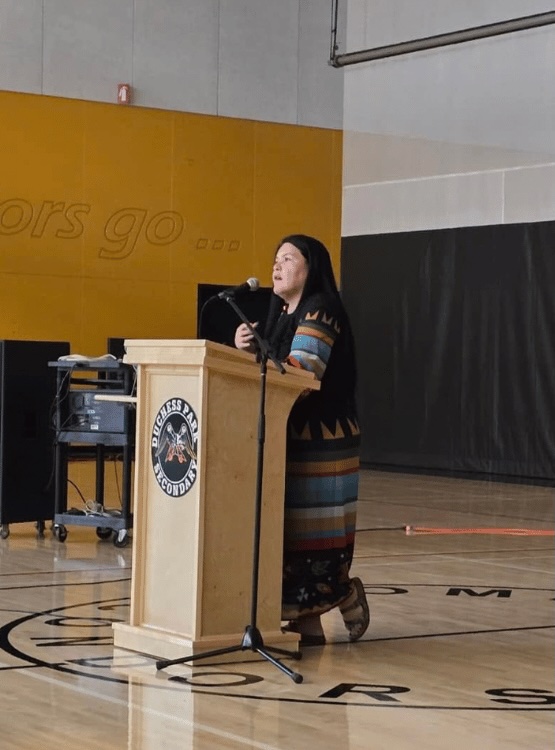



 “I wanted to send a quick note of gratitude for your powerful presentation this morning. You are a gifted speaker and a courageous leader. Thank you for your presentation this morning – I appreciate learning from you!” — Todd