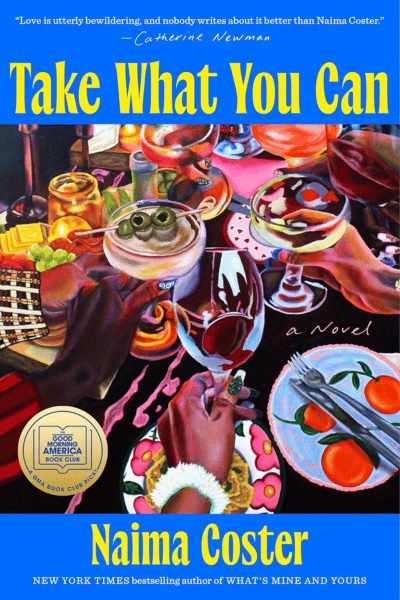
“With nuance and depth, Coster makes sure that readers will find something to relate to in this beautiful, honest reflection of modern American life…. This is a book to cry over and hold close.” — BookPage
“[A] delicious page-turner… Writing with sensitivity, candor, and insight, Coster compellingly tracks the ups and downs of longstanding friendship, motherhood and daughterhood, marriage, and career. An intimate, immersive paean to the redemptive power of found families and the pleasure of choosing whom and how to love.” — Kirkus, Starred Review
“I’m swooning. Coster’s new novel promises to be a tender, deeply-felt ode to love, friendship, and life’s many seasons.” — McKayla Coyle, LitHub
“Take What You Can is a master class in nuanced characterization. No character is simple enough to be labeled a “villain.” The harsh realities of the novel’s central conflicts are not unlike our own world, where perception and individual background dictate a far more complicated reality. The characters are most interesting at their lowest points, and readers can’t help but feel frustrated, confused, and enamored with their choices— maybe all three at once.” — Chicago Review of Books
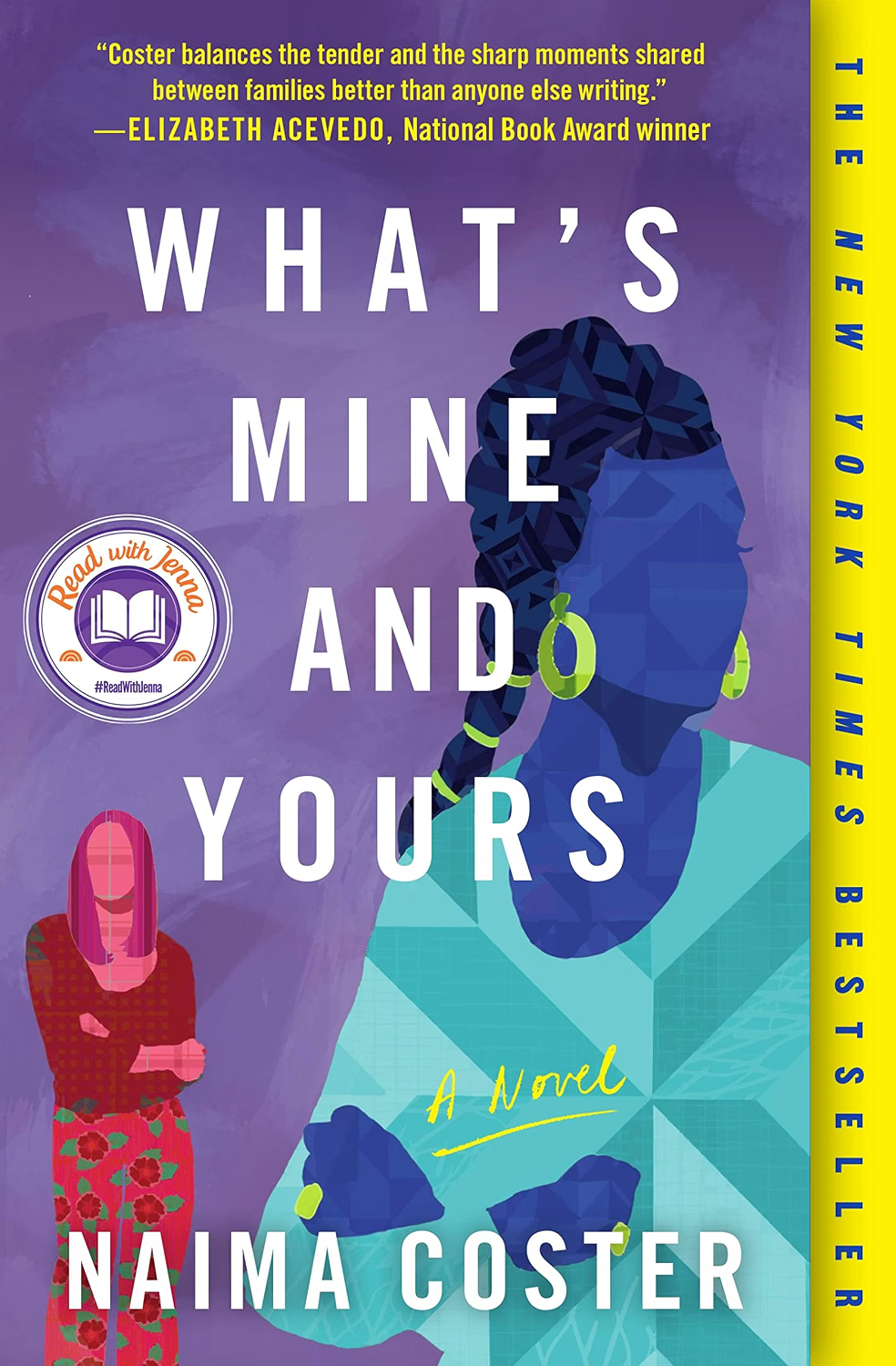
“In her stunning debut novel, Coster remarkably renders the complexities of people and their many relationships as well as the tricky interplay of past and present. Alternately delivered from the perspective of Penelope and Mirella (with a little Spanish mixed in), Coster’s realistic depictions of these two hurt and angry women and the broken man who connects them will haunt readers while making them flinch, gasp, and quite possibly cry. Wow. Powerful, unforgettable, and not to be missed.” — Library Journal (starred review)
“At its heart, What’s Mine and Yours is a coming-of-age story—one that examines the unraveling of marriages, complexities of siblinghood and reckonings with parents… Coster portrays her characters’ worlds with startling vitality. As the children fall in lust and love, grapple with angst and battle the tides of New South politics, Coster’s writing shines” — New York Times Book Review
“The complex characters will stay with you—maybe even change you.” — People
“Coster’s remarkable characters, each one of them authentically flawed and gorgeously realized, propel this wise and loving story ever forward, making for a graceful meditation on family, inequality, and the ties that bind.” — Esquire
“Rare is the book that manages to be both a finely wrought character study as well as a multi-family saga…but Naima Coster’s new novel does just that — and more. Coster writes with a singular sensitivity and nuance.” — Refinery29
“Coster is an exacting observer but also an endlessly generous one… It’s the individual moments that are exquisite, each chapter a tiny snapshot of a whole world. Tender but—miraculously—never sentimental.” — Kirkus (starred review)
“A quiet gut-punch of a debut…Absorbing and alive, the kind of novel that swallows you whole.” — Kirkus Reviews (starred review)
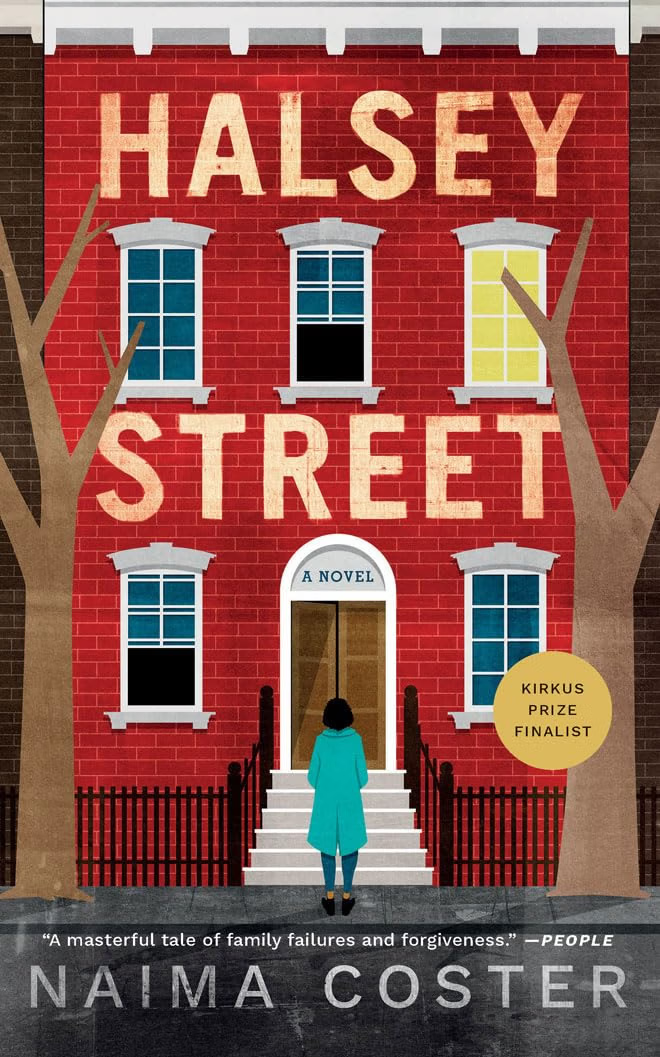
“But where Halsey Street most impresses is in its sharp and sophisticated moral sense. Take the issue of gentrification. In lesser hands, this could become—in many works of contemporary literary fiction, does become—ham-fisted or preachy. Coster’s treatment, though, is always gracefully done. We don’t get a fictional ‘take’ on gentrification. Rather, we get a story that makes the phenomenon meaningful through its narrative integration…Halsey Street regularly rejects simplicity for complexity. Like Woolf said of Middlemarch this is a novel written for grown-up people—the most surprising and satisfying element in a continually surprising and satisfying debut.” — San Francisco Chronicle
“Halsey Street pays careful, detailed attention to the ways family ties can splinter and fester and ache, and the way a neighborhood that used to be familiar but no longer is creates a feeling of isolation…And [it] offers the same attentiveness to the changing landscape of Brooklyn, and to a Bed-Stuy that is rapidly becoming unrecognizable. It’s a detailed portrait that’s almost a love letter.” — Vox