Climate Week is a global moment for conversation, connection, and action on climate change. Held each September alongside the United Nations General Assembly in New York City, Climate Week NYC brings together leaders, organizations, educators, and communities to share ideas and explore solutions for a more sustainable future. This year’s focus is Energy, Impact, and Action.
Many of our AU authors help inform these conversations, both big and small. A few will even be in attendance this year during Climate Week. Their work helps us better understand our changing planet, from climate science and environmental justice to conservation, resilience, and our relationship with the natural world
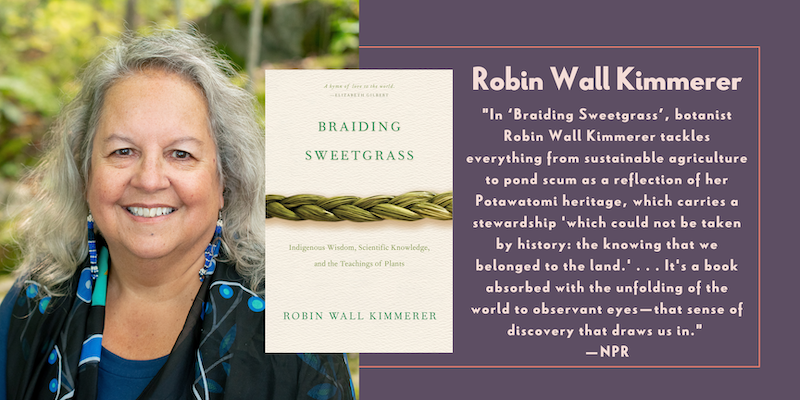
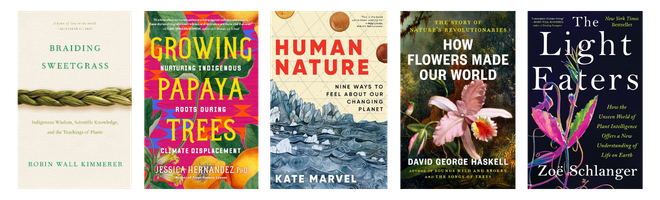
Robin Wall Kimmerer will be in attendance this year at Climate Week NYC in support of our planet and her new grassroots movement: Plant Baby Plant. This movement invites people to turn their love for the living world into meaningful, regenerative action. Inspired by the generosity of plants, and by Indigenous teachings of reciprocity, kinship, and right relationship with the land, the movement was created as a response to growing environmental destruction and the sense of powerlessness many people feel in the face of the climate and biodiversity crises. Its mission is to build a community of people who care for and restore the Earth through actions both practical and collective: planting gardens and trees, restoring habitats, protecting biodiversity, supporting communities, and speaking up for the places they love. At its heart, Plant Baby Plant asks a simple question: What does the Earth ask of us, and how can we give back?
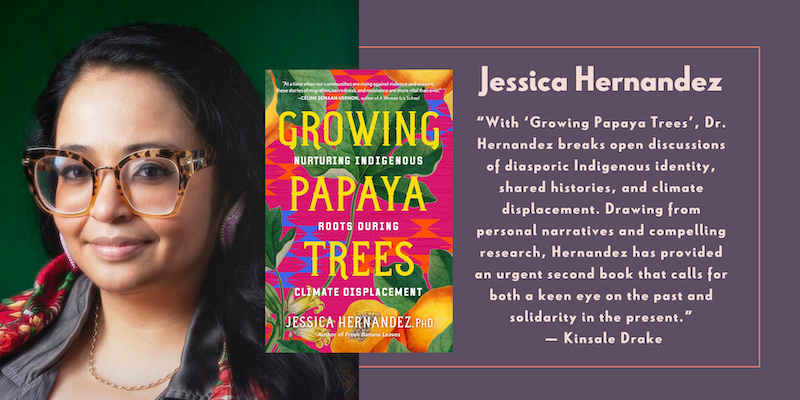
Jessica Hernandez will be participating in Climate Week NYC, representing her books Growing Papaya Trees and Fresh Banana Leaves, as well as her organization, Earth Daughters. Founded by Hernandez, Earth Daughters is an Indigenous women and youth led organization focused on supporting Indigenous communities through climate justice, environmental restoration, food sovereignty, cultural preservation, and youth leadership. Born out of a grassroots mutual-aid response following the 2020 earthquake in Oaxaca, the organization has grown into a broader effort to center Indigenous knowledge, community resilience, and traditional ecological practices in the work of creating a more sustainable future.
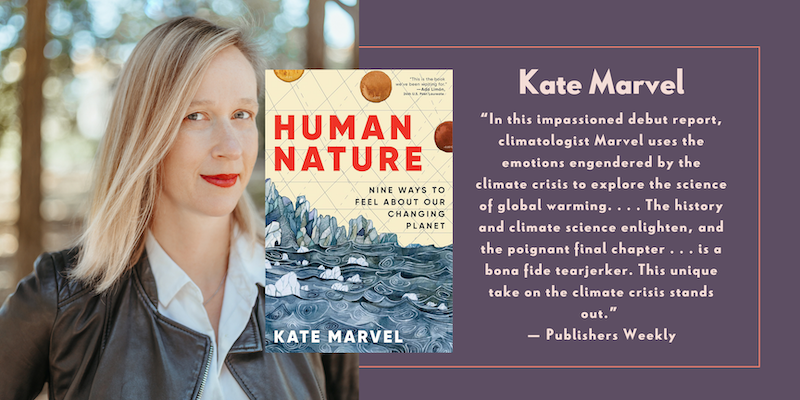
Kate Marvel will be in New York this Climate Week, representing her work as a leading climate scientist and author, as well as her role as Senior Scientist at Project Drawdown. She will take part in several high-profile conversations throughout the week, including a TED Countdown session exploring how we communicate climate science without losing people in technical language, a mainstage conversation at The New York Times’ Climate Forward examining the future of energy and climate, and discussions at the Clinton Global Initiative on women, climate, resilience, and the role of scientific breakthroughs.
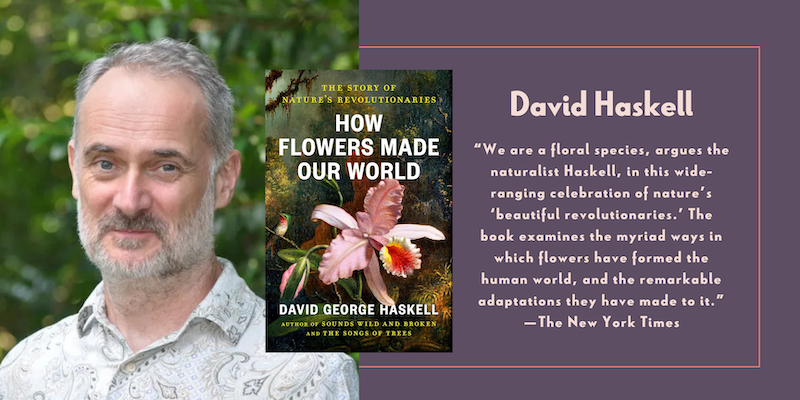
David George Haskell was part of last year’s Climate Week NYC 2025 programming, where he joined a screening and panel discussion of the documentary OBSERVER on Governors Island. The film, directed by Ian Cheney, brings scientists, artists, and other observers to unexpected places around the world and asks them to simply pay close attention to what they see. The film invites audiences to rediscover the wonder and complexity of the natural world. Haskell, who is featured in the film, joined the post-screening conversation to discuss the importance of slowing down, observing the nature around us, and rebuilding our connection to the places we call home. The event brought together climate scientists, activists, students, and communicators around the idea that mindful observation can help us better understand and care for the world around us.
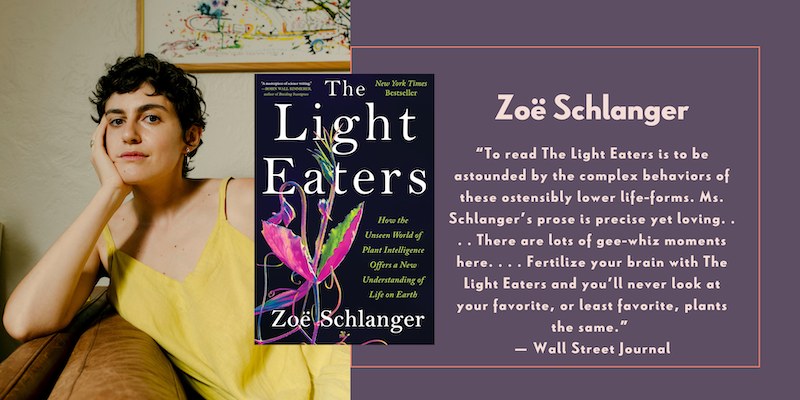
Zoë Schlanger was recently featured on Atmos’ The Nature Of podcast for a fascinating conversation about the hidden lives of plants and what they can teach us about intelligence, consciousness, and our place in the natural world. Drawing from her New York Times bestselling book The Light Eaters, Zoë explored the remarkable ways plants sense, communicate, remember, adapt, and interact with the world around them. She challenged listeners to reconsider long-held assumptions about what intelligence looks like. The conversation offers a compelling example of Zoë’s ability to translate cutting-edge plant science into an accessible and deeply engaging story about our relationship with the living world.