AI Guidance for Event Planners
AI tools are now built into nearly everything we use, from email and design apps to registration platforms. That makes it easy to use AI without quite deciding to. We’d ask you to pause and consider each use carefully, especially where an author’s work is involved.
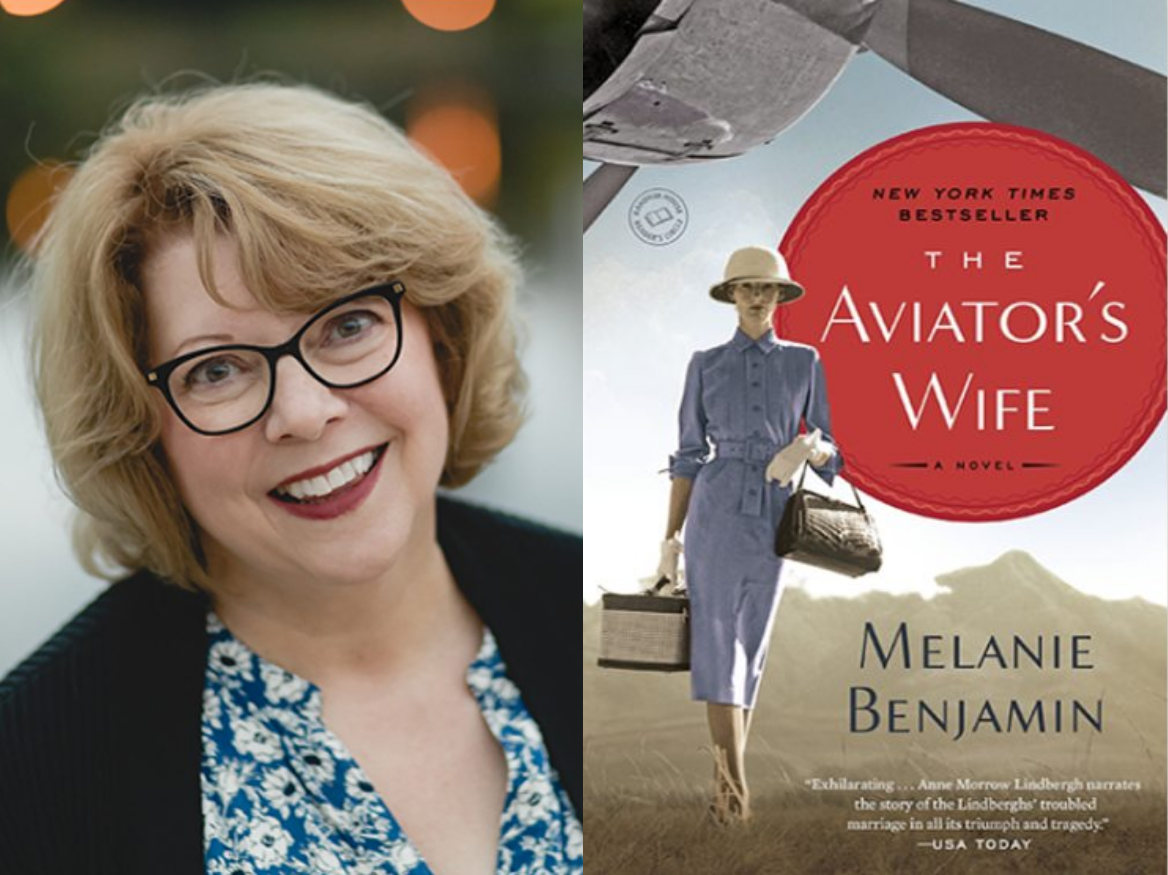
For the authors we represent, this isn’t abstract. Many have seen their books used to train AI systems without permission or payment. Illustrators and cover artists have watched their styles imitated by image generators. When an author arrives at your event, they’re trusting that their name, words and face will be presented as theirs.
We’re not asking anyone to swear off technology. Our hope is to work alongside you so these tools are used in ways that protect that trust. Below are the places where we’d encourage extra care, and the ways we can help along the way.
Keep Creative Work Human
We ask that the creative pieces around an author’s visit be made by people, not AI. An event celebrating a writer’s craft shouldn’t be promoted with machine-made art or prose. It undercuts the very thing you’re celebrating, and authors and audiences often notice. Here’s where we’d especially ask you to set AI aside:
- Event posters, flyers, and social graphics. We’re happy to send the book cover, author photo, and other approved assets, and a local designer or student artist can be a wonderful partner too.
- Author bios and book descriptions. We’ll provide an approved bio and book description for every event. AI summaries often get facts wrong or invent awards and titles.
- Quotes and blurbs. Please don’t paraphrase, “polish” or generate words attributed to the author. If you need a quote, we’re glad to help source one.
- Introductions written in the author’s voice, or anything presented as if the author wrote or said it.
If you’re short on design help, let us know. We’d love to help you find a solution that works for your team and your budget.
Please Leave Author Photos and Covers as They Are
This is the one place we hold a firm line. Please do not use AI, or any editing tool, to alter an author’s photo or a book cover. That includes:
- Extending, cropping into a new shape with generated fill, or “expanding” a headshot to fit a layout
- Changing backgrounds, clothing, lighting, age, skin, hair or expression
- Removing or adding people, objects or text
- Upscaling or “enhancing” a low-resolution image
- Recoloring, restyling or redrawing a book cover, or creating a new image “in the style of” the cover art
- Putting the author into a scene, holding a product, or standing at your venue
Author photos are often licensed from a photographer, and cover art belongs to the artist and publisher. These images are licensed for use as provided; any alteration may constitute copyright infringement. More importantly, it puts a face or artwork into the world that the author never approved.
If an image doesn’t fit your layout, or you need a different size or orientation, reach out anytime. We’ll gladly find or request an approved version for you.
A Few Other Things to Keep in Mind
These situations come up more often than you might expect, and we’re always happy to talk through any of them:
- AI note-takers and transcription bots. Many video and meeting tools now record and transcribe automatically. We ask that they any note-takers off during an author’s talk, Q&A or private calls unless the author has agreed. Your AU agent can confirm what the contract allows.
- Feeding the author’s work into AI tools. Please never upload manuscripts, advance copies, excerpts or event recordings into chatbots or summarizers. Those files may be stored or used to train future systems.
- AI-generated moderator questions. Questions drafted by AI tend to be generic, and sometimes reference things the book doesn’t say. A moderator who has read the book brings something AI can’t, and we’re happy to share topics the author enjoys discussing.
- Translations and captions. Live captioning can be a real accessibility win, but treat it as a draft. Please have a person review any AI translation of an author’s words before it’s shared.
- Fact-checking AI output. If AI touches any author-related text, please double-check names, titles, dates, and awards against the materials we’ve sent, or send it our way for a quick look.
Are there ways that AI can make your job easier? Certainly. However, we encourage you to limit the robots to the robot work: checklists, timelines, reminders, budgets, survey summaries, and accessibility basics like captions and plain-language directions. That frees up more of your time for the human work: creative programming, connecting with your community, and celebrating the author and their art. The common thread is that these tasks involve your organization’s own work, never anything that represents the author or their art. Even then, a human review is always wise.
A Simple Rule of Thumb
Before using AI on anything event-related, ask: would the author see this and think it represents them? If the answer is yes, keep it human and use the materials we provide. If it’s purely your own planning and admin, AI may be a useful helper, as long as a person checks the result.
We know opinions on AI run strong, and they should. The authors we work with have real stakes in how it develops. Thoughtful, transparent choices from hosts go a long way toward keeping author events what they’ve always been: real people sharing real work.
You don’t have to navigate this alone. If you’re unsure about a specific situation, reach out to your Authors Unbound agent anytime. We’re here to support you and always glad to talk it through.