Mental Health Awareness Month is both a time to reflect on our inner worlds and a reminder that we all share responsibility in supporting one another’s well-being. As conversations around mental health become more open, stories offer a powerful way to explore experiences that are often difficult to put into words. These narratives remind us that our thoughts, emotions, and connections shape the quality of our lives – and that we are not alone.
These authors explore themes like resilience, vulnerability, healing, and the complexity of being human. They invite readers to build empathy, challenge stigma, and consider how they can contribute to a more understanding and supportive world.
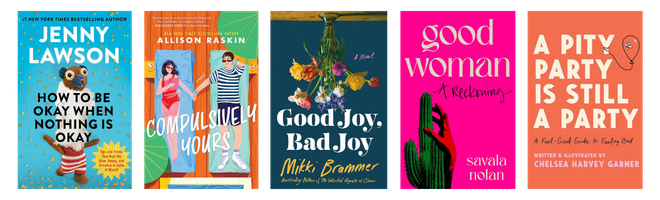
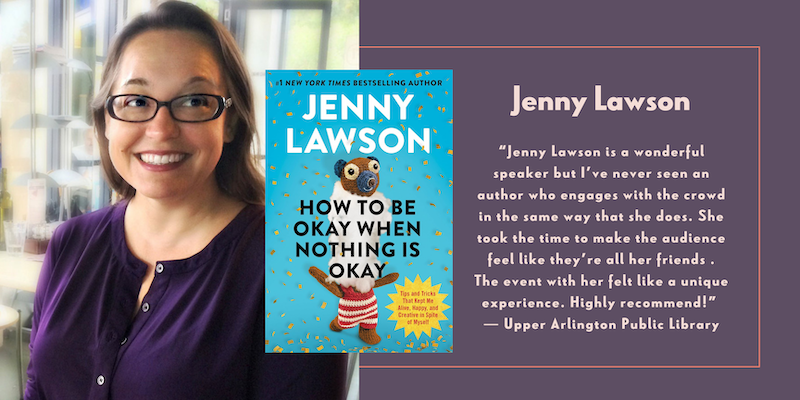
How to Be Okay When Nothing Is Okay is a humorous and heartfelt self-help book in which Jenny Lawson shares practical coping tools for dealing with anxiety, depression, ADHD, self-doubt, and creative burnout. Through wit and personal stories, she encourages readers to find joy, ask for help, and keep creating even during difficult times.
- Rekindling Your Passion for Creating
- Curating Joy in the face of Difficult Times
- How to Keep Going When Everything Feels Impossible
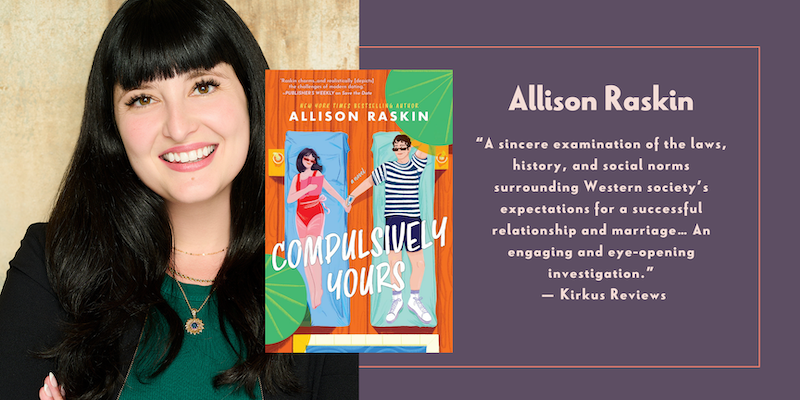
Compulsively Yours follows Libi Newman, who avoids serious relationships while coping with grief and Relationship OCD. When a stressful family vacation in Mexico forces her to face her ex, her father’s new girlfriend, and unresolved emotions, her OCD support group friend Nate Keller agrees to pose as her fake boyfriend for support. But as their pretend relationship begins to feel real, Libi must decide whether her growing feelings for Nate are genuine, or just another source of uncertainty.
- The Possibility of Modern Marriage
- Romance and Real Relationships
- How to Navigate Dating without Losing Your Mind
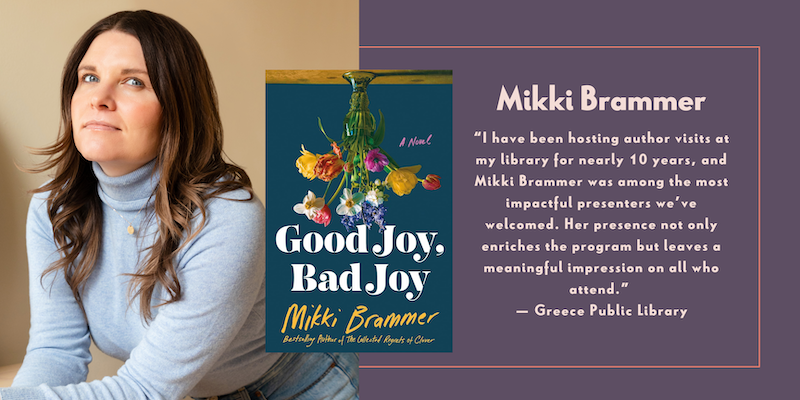
Good Joy, Bad Joy is a heartfelt novel about aging, friendship, and self-discovery. After learning her best friend Hazel is dying, Joy Bridport decides to break free from her lifelong rule-following ways and embrace adventure, even if it leads to a little trouble. Through humor and emotional reflection, Mikki Brammer explores living fully, redefining yourself late in life, and the power of lifelong friendship.
- Why Regret is (Sometimes) A Good Thing
- Turning Your Biggest Fear into Your Creative Work
- Making the Taboo Palatable
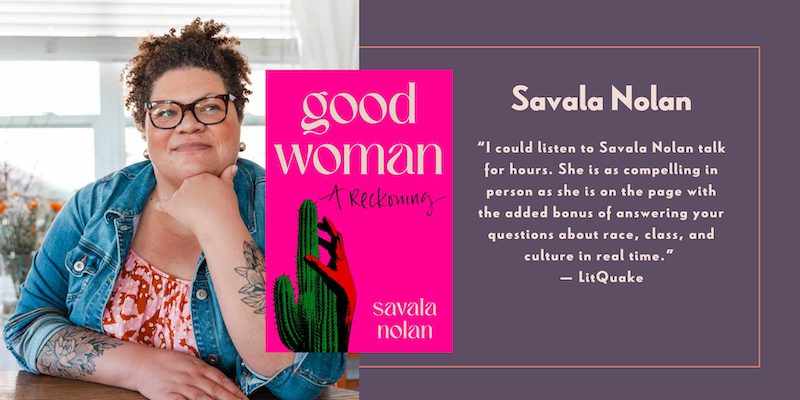
Good Woman: A Reckoning is a powerful essay collection exploring the pressures and limitations placed on women by society. Through personal stories, history, and cultural critique, Savala Nolan examines identity, gender expectations, marriage, sexuality, and self-worth, ultimately reflecting on what it means to reject “good woman” conditioning and live more freely and authentically.
- Good Women, Bad Lives
- Don’t Let It Get You Down: A Book Talk
- What’s So Bad About Being Fat? Understanding Fatphobia in the Age of GLP-1s
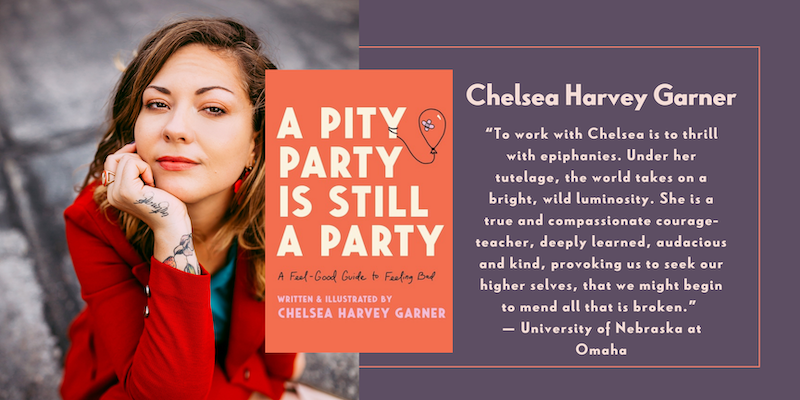
A Pity Party Is Still a Party is a candid, humorous, and heartfelt guide from therapist that challenges toxic positivity and argues that embracing sadness—not avoiding it—is essential to connection and healing. Blending personal stories, clinical insights, journal prompts, and practical exercises, Garner encourages readers to open up, lean on community, and find comfort in sharing life’s harder emotions.
- Be The Cringe You Wish To See
- Trust Me, I’m A Professional
- Reporting Live From The Wound
Mental Health Awareness: AOL Authors
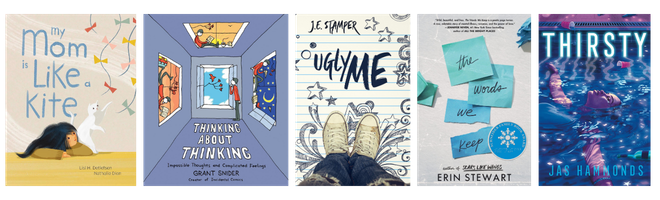
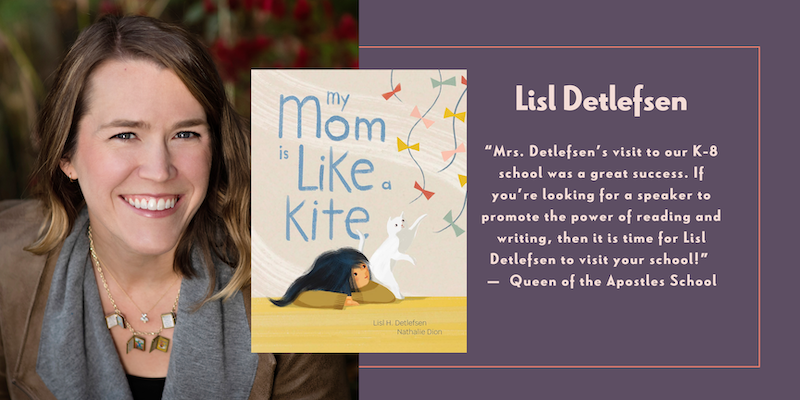
My Mom Is Like A Kite is a gentle, emotional children’s story about living with a parent who has mental illness. Told from a child’s perspective, it explores fear, confusion, and hope while emphasizing that it’s not a child’s responsibility to “fix” a parent. Through therapy, creativity, and support, the story offers reassurance, coping tools, and a message of resilience and understanding.
- Still There Are Stories
- My Mom Is Like A Kite Book Talk
- Awesome Parts of Speech
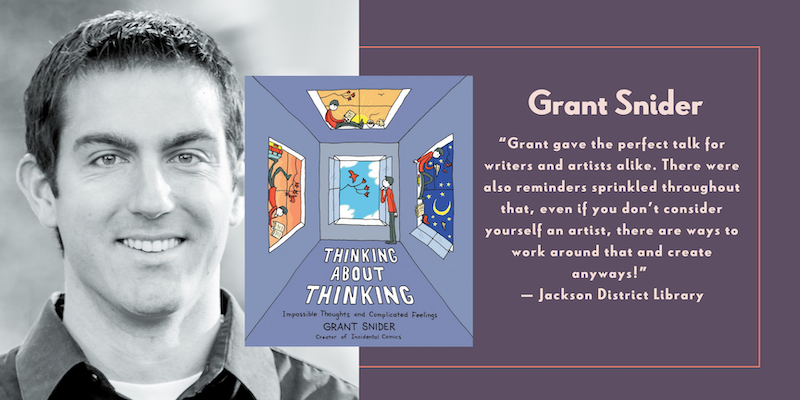
Thinking About Thinking is a thoughtful and humorous illustrated collection exploring emotions, self-doubt, overthinking, and the complexities of the mind. Through short comics and visual metaphors, Grant Snider offers relatable reflections on anxiety, fear, and inner life while encouraging readers to approach their thoughts with curiosity and compassion.
- How to Make Poetry Comics
- How to Tell a Story: What You Need to Make a Picture Book
- Drawing for Life: My Journey to Becoming an Author and Illustrator
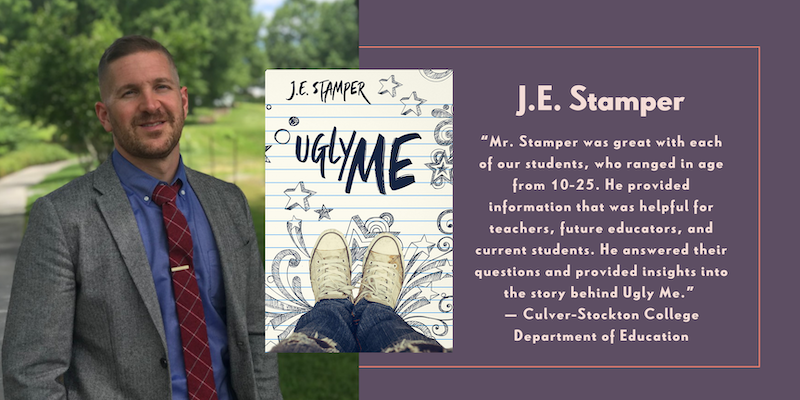
Ugly Me is a raw coming-of-age story about a troubled middle school girl dealing with trauma, anger, and social stigma. As Randi tries to change her life and suppress her “Ugly Me” identity, the novel explores bullying, neglect, and emotional pain. Written by a middle school administrator, it offers a realistic look at the struggles of at-risk youth and the fight for self-worth and stability.
- Ugly Me
- Finding Your Strength
- Tell Your Story
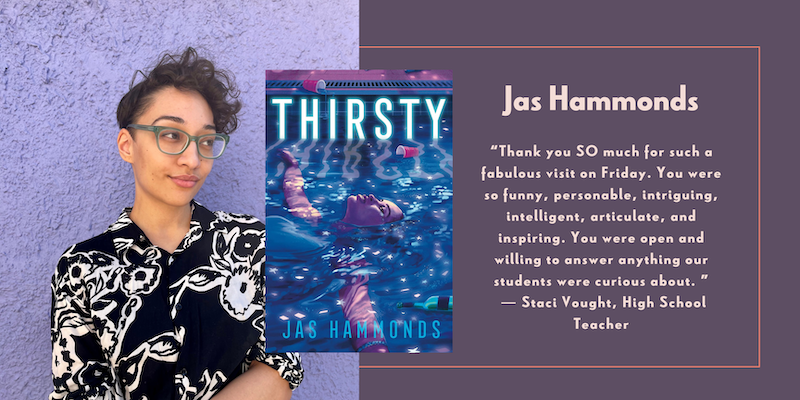
Thirsty is a coming-of-age novel about ambition, identity, and addiction. Eighteen-year-old Blake Brenner becomes consumed by alcohol while trying to earn acceptance into an elite sorority for powerful women of color. As the pressure to fit in grows, Jas Hammonds explores the emotional toll of addiction, class insecurity, and the cost of chasing success at the expense of oneself.
- We Deserve Abundance
- Year Round Pride [Writing Workshop]
- Giving Yourself Grace [Writing Workshop]
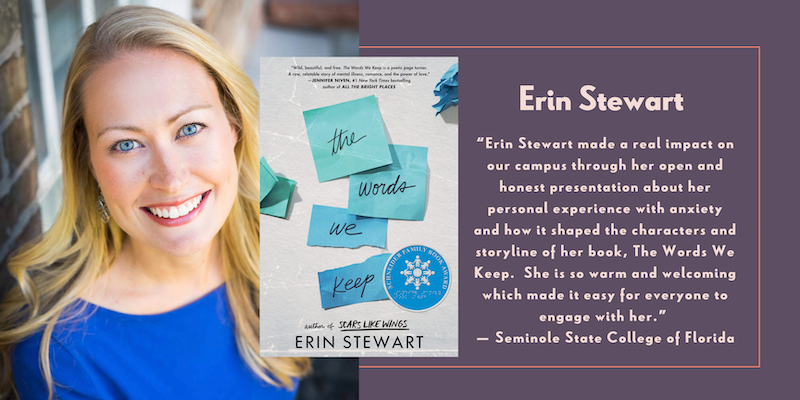
The Words We Keep is a young adult novel about anxiety, perfectionism, depression, and healing through art and connection. After her sister returns home from mental health treatment, Lily struggles to cope with her own hidden compulsions and emotions. With the help of a new friend and a creative poetry project, Lily learn vulnerability can lead to healing. Erin Stewart explores mental health and the power of self-expression in this award-winning novel.
- The Words We Keep
- Finding Your Story
- Creating Captivating Characters