
“Whybrow is uniquely positioned to understand what humans have lost in severing their bond with nature, yet her message is more hopeful than bleak.” — The New Yorker, “Best Book of the Year”

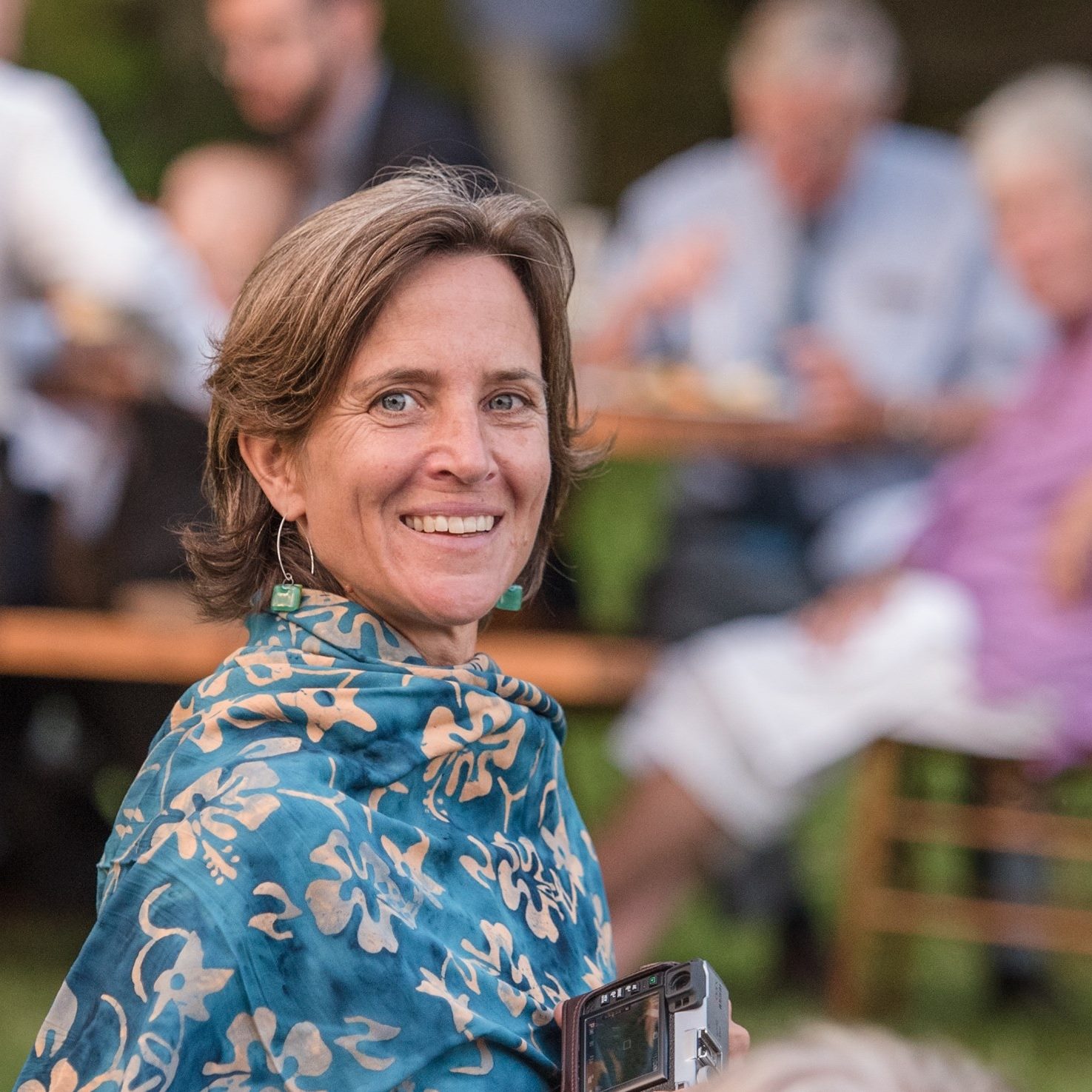
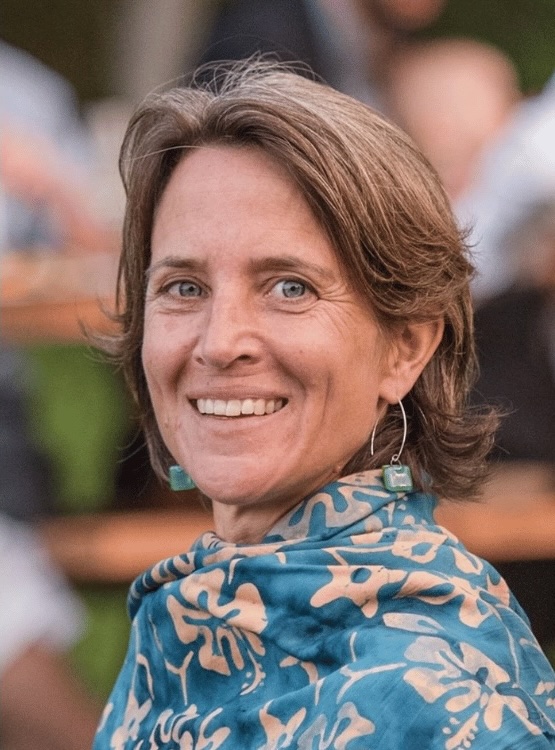
Helen Whybrow is an award-winning author of several works of nonfiction, a book editor and organic farmer. Her book about the joys, sorrows and ancient pull of the shepherding life, The Salt Stones (2025), was longlisted for the National Book Award and chosen as a Best Book of 2025 by the New Yorker, NPR/Fresh Air and Esquire. It was also a finalist for the New England Book Award and the Vermont Book Award. The Salt Stones is translated into four languages. Whybrow’s previous works include an anthology of the best adventure writing of the Age of Exploration, Dead Reckoning (W. W. Norton, 2001) and a biography of her late mentor, A Man Apart (Chelsea Green, 2015) which she co-authored with her husband, Peter Forbes.

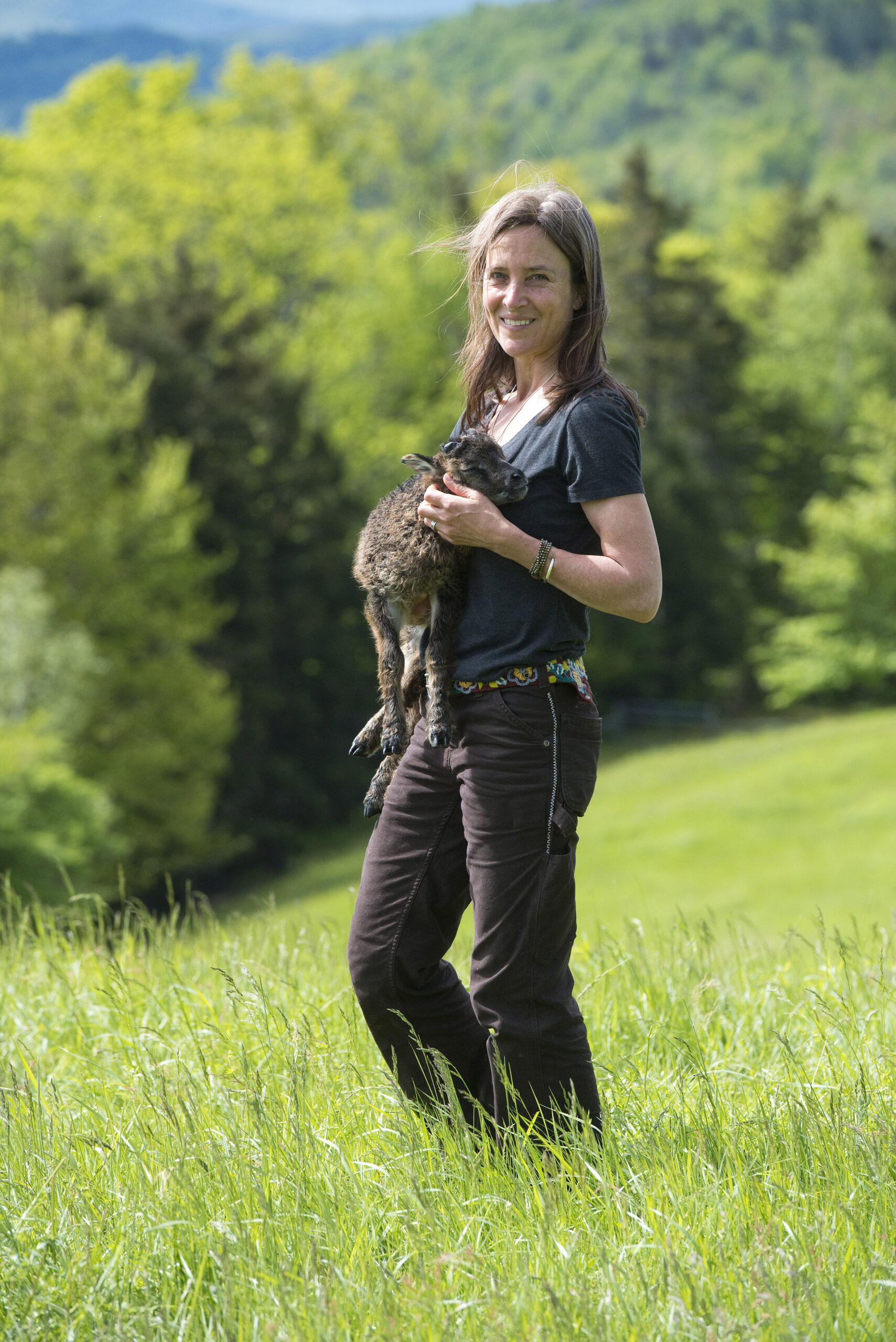
After more than a decade in book publishing, where she ran an imprint for W. W, Norton called Countryman Press and later worked as an editor for Orion Magazine, Helen returned to her roots: farming and living close to nature in northern New England. The farm and refuge for justice leaders she has run with her husband for the past 25 years is in many ways a tapestry for all the values that guide their lives: a dedication to service and social justice, creativity and handcraft, ecological well being and community resilience. You can learn more about this work at knollfarm.org.

A lively, warm, and natural public speaker, Helen brings to audiences her passion for language and ideas as well as her deep knowledge of regenerative farming and eco-restoration. Nimble and versatile, she loves to speak about healing, motherhood and eldercare as much as she loves to talk about the history of pastoralism or the future of small farms and many things in-between. She has taught as a visiting professor at Middlebury College, and has spoken at many other colleges and conferences. She lives on her farm in central Vermont.
Helen's Featured Titles

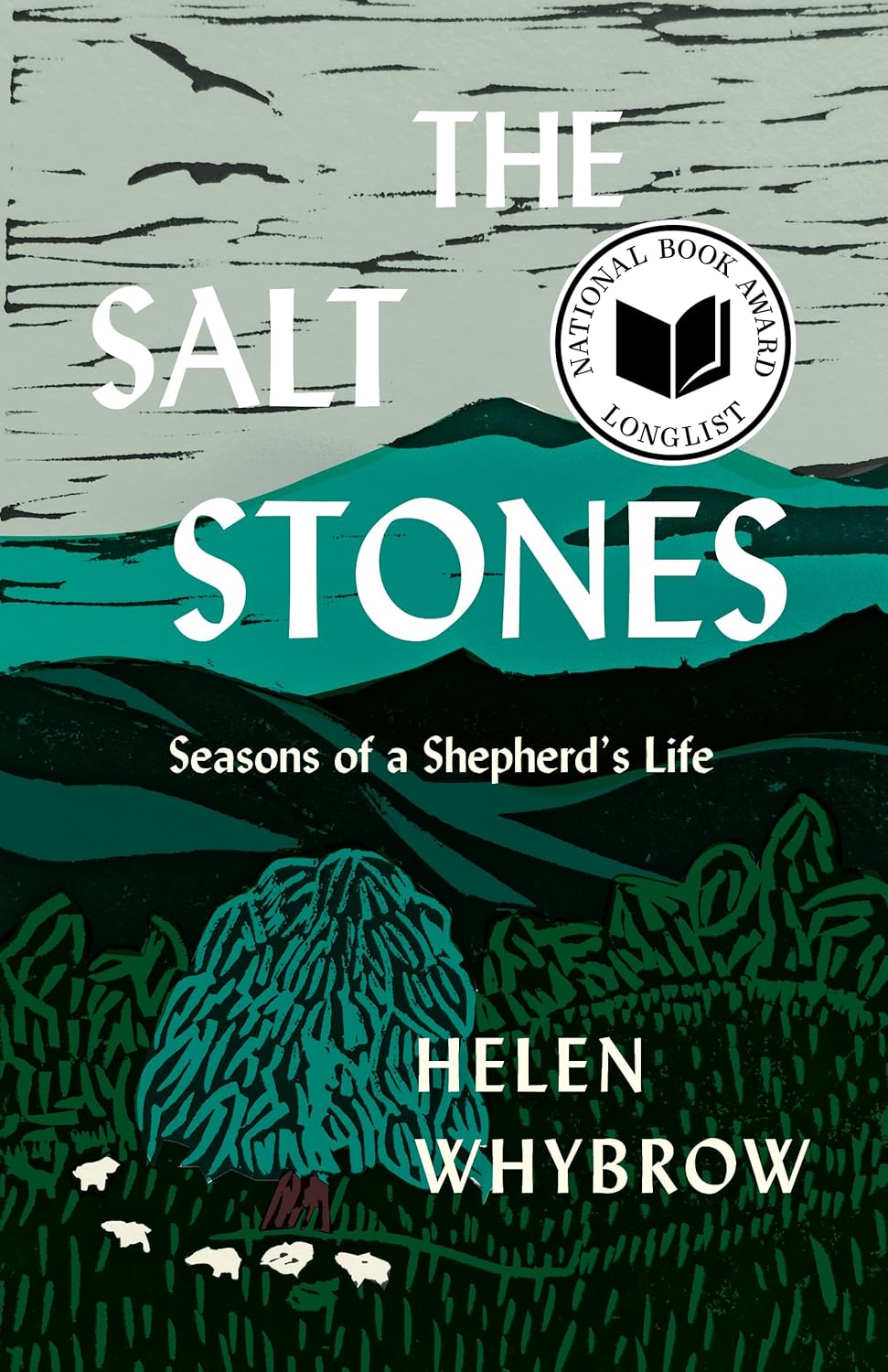
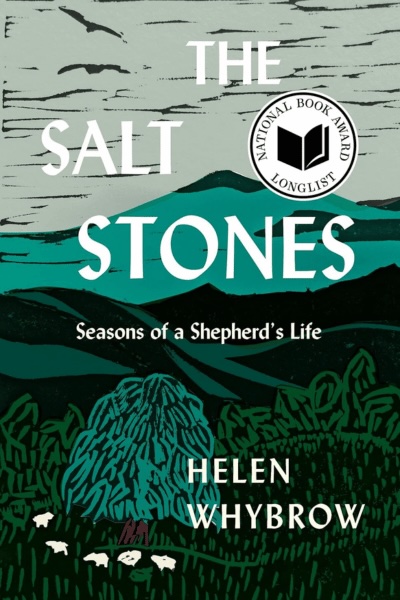
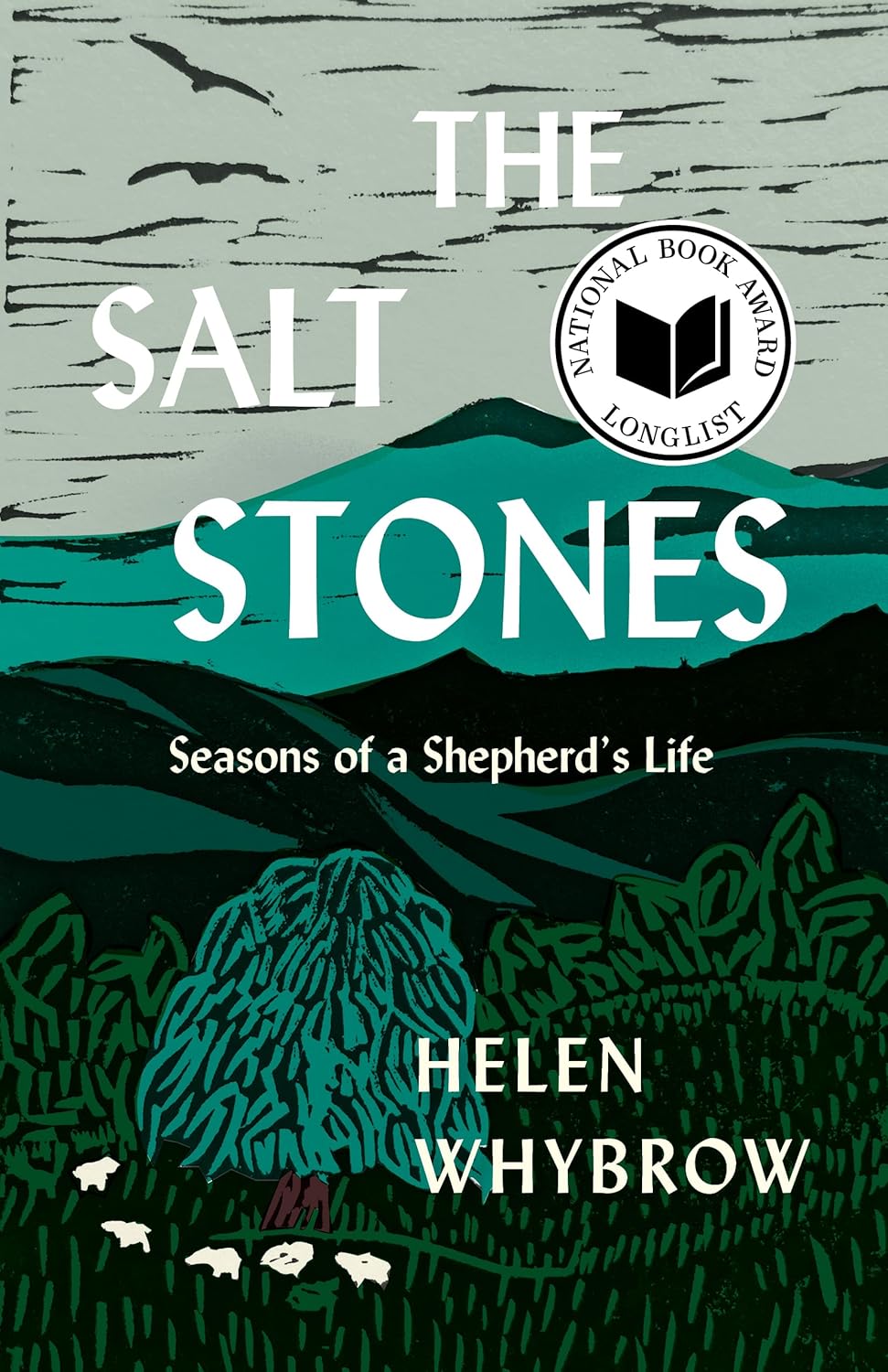
The Salt Stones: Seasons of a Shepherd’s Life

Milkweed Editions |
Memoir

LONGLISTED FOR THE NATIONAL BOOK AWARD

Finalist for the Vermont Book Awards

New Yorker Best Book of the Year

Featured on NPR’s Fresh Air and PBS NewsHour

Globe and Mail “Best Book of the Year”

“Revelatory. . . magical. . . Whybrow beautifully explores interconnectedness and disruption in nature.”—Maureen Corrigan, The Washington Post 

Set in Vermont’s Green Mountains, a profoundly moving meditation on the lessons and wisdom that come from raising a family, tending sheep, and living close to the land.

In the heart of Vermont’s Green Mountains, Helen Whybrow and her partner set out to restore an old two-hundred-acre farm. Knowing that “belonging requires, more than anything, participation,” they begin to intertwine their lives with the land. But soon after releasing a flock of Icelandic sheep onto the worn-out fields, Whybrow realizes that the art of shepherding extends far beyond the flock and fences of Knoll Farm.

In prose both vivid and lean, The Salt Stones offers an intimate and profoundly moving story of what it means to care for a flock and truly inhabit a piece of land. The shepherd’s life unfolds for Whybrow in the seasons and cycles of farming and family—birthing lambs, fending off coyotes, rescuing lost sheep in a storm, and raising children while witnessing her mother’s decline. Exploring the interdependence of animals, as well as of the earth and ourselves, Whybrow reflects on the ways sheep connect her to place and to the ancient practice of shepherding.

Evocative, affectionate, and illuminating, The Salt Stones sings of a way of life that is at once ancient and entirely contemporary, inspiring us all to seek greater intimacy and a sense of belonging wherever our home place may be.

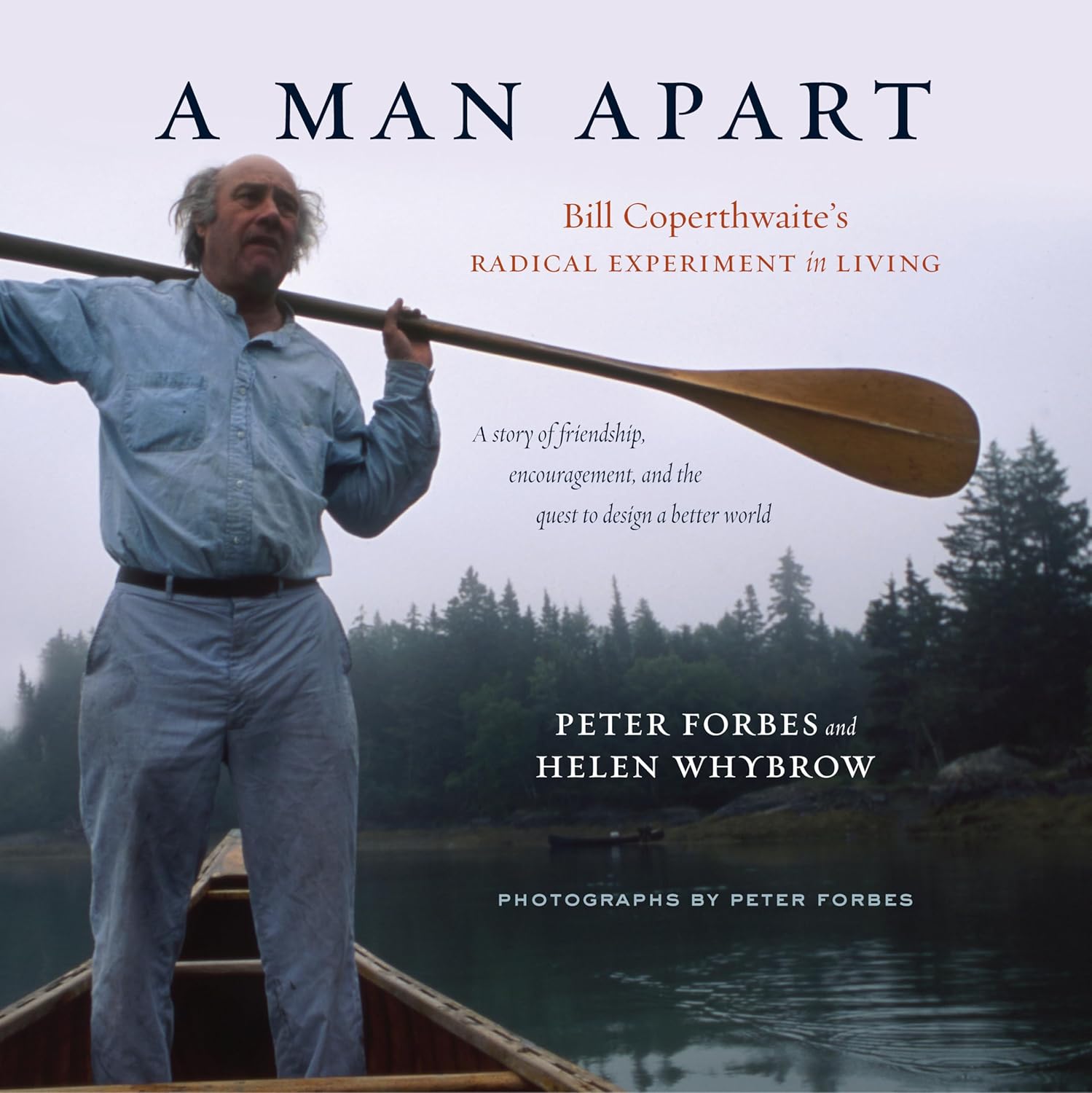
A Man Apart: Bill Coperthwaite’s Radical Experiment in Living

Chelsea Green |
Memoir

A story of friendship, encouragement, and the quest to design a better world

A Man Apart is the story—part family memoir and part biography—of Peter Forbes and Helen Whybrow’s longtime friendship with Bill Coperthwaite (A Handmade Life), whose unusual life and fierce ideals helped them examine and understand their own.

Coperthwaite inspired many by living close to nature and in opposition to contemporary society, and was often compared to Henry David Thoreau. Much like Helen and Scott Nearing, who were his friends and mentors, Coperthwaite led a 55-year-long “experiment in living” on a remote stretch of Maine coast. There he created a homestead of wooden, multistoried yurts, a form of architecture for which he was known around the world.

Coperthwaite also embodied a philosophy that he called “democratic living,” which was about empowering all people to have agency over their lives in order to create a better community. The central question of Coperthwaite’s life was, “How can I live according to what I believe?”
In this intimate and honest account—framed by Coperthwaite’s sudden death and brought alive through the month-long adventure of building with him what would turn out to be his last yurt—Forbes and Whybrow explore the timeless lessons of Coperthwaite’s experiment in intentional living and self-reliance. They also reveal an important story about the power and complexities of mentorship: the opening of one’s life to someone else to learn together, and carrying on in that person’s physical absence.

While mourning Coperthwaite’s death and coming to understand the real meaning of his life and how it endures through their own, Forbes and Whybrow craft a story that reveals why it’s important to seek direct experience, to be drawn to beauty and simplicity, to create rather than critique, and to encourage others.

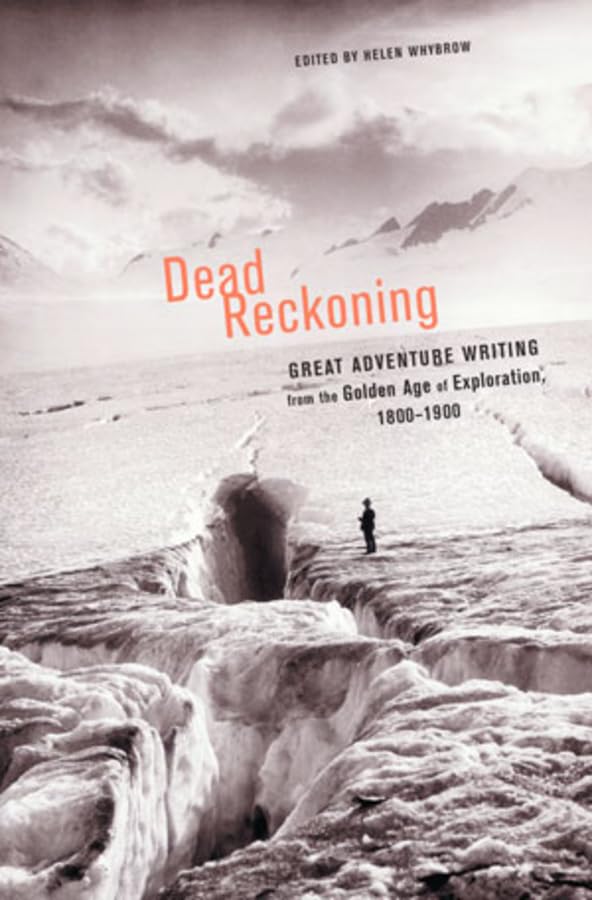
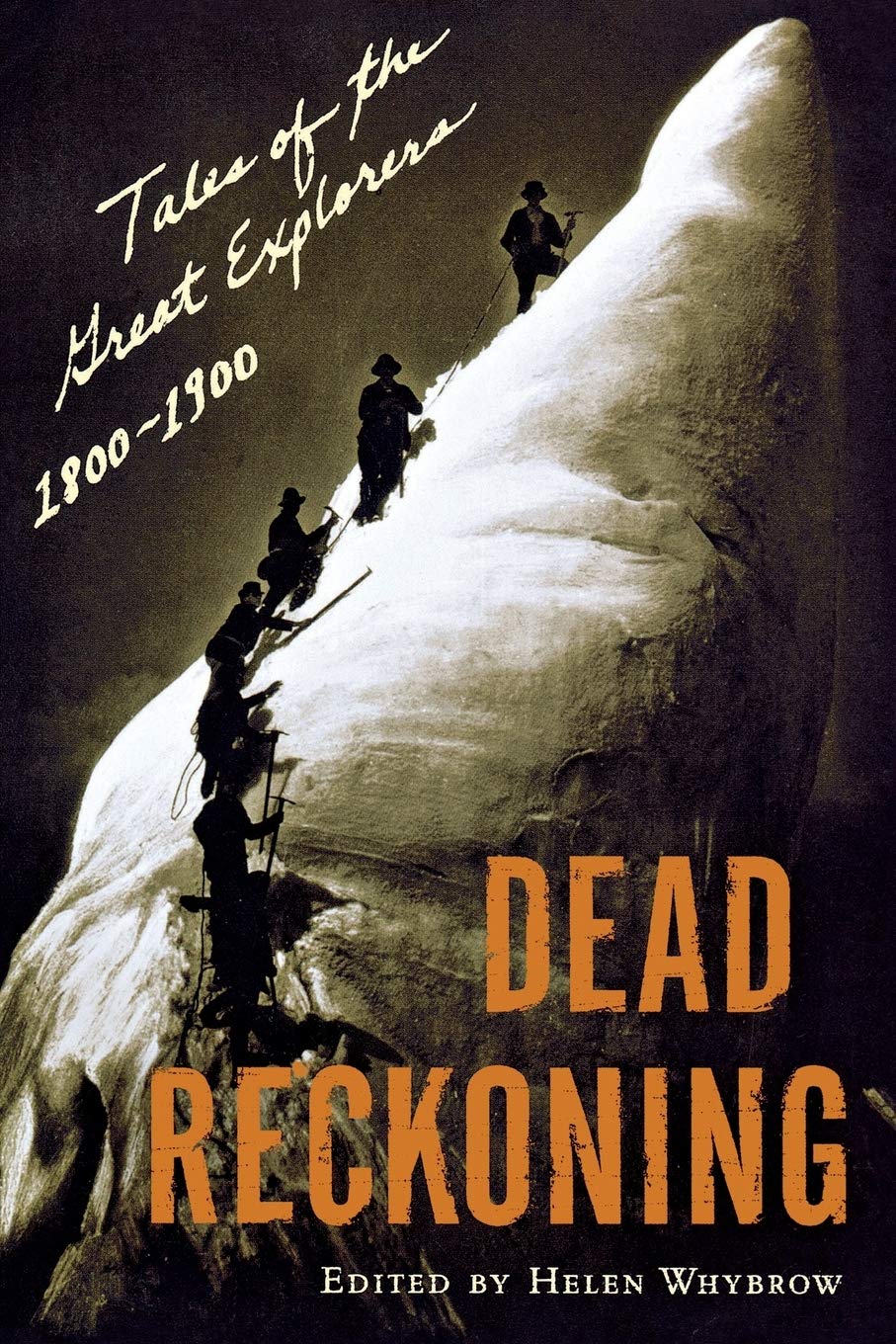
Dead Reckoning: Tales of the Great Explorers 1800-1900

W W Norton & Co Inc |
Expeditions & World History

Richard Burton makes a forbidden pilgrimage to Mecca; Mary Kingsley wanders alone in the jungles of West Africa; Fridtjof Nansen tries to walk to the North Pole; Mary Mummery describes a harrowing first ascent in the Alps; Francis Parkman hunts buffalo with the Sioux in the Black Hills. This remarkable collection contains stories from the most compelling and celebrated odysseys of the century, some of them long-forgotten classics of their time. From polar navigation to the search for the source of the Nile to the first crossing of the Himalayas to a quest for the origin of species, this book ranges the globe and captures the restlessness of the human spirit. “What emerges again and again in the writings Whybrow has compiled are not the ways in which an explorer destroys or inflates or distorts but the ways an explorer comes to see.”―Edward Rothstein, New York Times 22 illustrations

Authors-Unbound_icon-web-link.png

Toward a More Holistic Land Ethic: Lessons from Pastoralism

Most of us have been taught somewhere along the way that Merino sheep fever destroyed the landscape of New England in the mid 1800s, and that livestock ranching degrades public lands, and both are true. What is also true is that ancient and traditional grazing practices are an important and often overlooked tool in land restoration, especially in dry, brittle landscapes, those overgrown with invasives, or steep slopes at risk of wildfire. Bringing to light lessons from pastoral traditions, in this talk I will share how modern pastoralists are intentionally grazing sheep and goats to play an important role in healing the land, and by doing so awakening our minds to essential practices that make us better stewards of the natural world.

Authors-Unbound_icon-web-link.png

Cultivating a Shepherd's Mind: Encircling the Natural World

This act of paying attention, of stretching toward and participating in the natural world, is at the heart of my book, and at the heart of my understanding of how to live a meaningful life. This radical act of participation is part of what I call shepherd’s mind —a quality of approaching one’s environment, one’s work, and even one’s relationships with presence. This is something I have learned in decades of practice as a shepherd, tending to countless births and spending many months leading and following animals across the land, paying attention to the details of their health and the land’s health as one whole. This talk will share some passages in the book and go deeper into what I mean by shepherd’s mind.

Authors-Unbound_icon-web-link.png

The Story Behind The Salt Stones: Writing from a life on the Land

The Salt Stones took me three winters to write, but it was really written over 20 years of accumulated practice and learning on the land. In this talk I tells the longer back story of how we came, as a young unmarried couple, to a worn-out hill farm in Vermont and started a flock, an organic orchard, and a retreat center for social justice leaders to gather. As I write in my book, it was a place in which food, ecology and activism are all intertwined with our love of art and words. It wasn’t until I started writing that I began to see this interweaving with such clarity. I will talk about the writing craft, how my life as a shepherd and a lifelong student of nature inspired my recent book, The Salt Stones, and how creating such a deep meditation on place also profoundly changed my relationship to work, to family and to loss and letting go.

Helen’s Substack

Helen’s Events

Honors, Awards & Recognition

INDIE Best Pick and Bestseller in Nonfiction
National Book Award Longlist
New England Book Award Finalist
Vermont Book Award Winner in Creative Nonfiction, 2025
PBS NewsHour Summer Reading Recommendation
Featured on NPR’s Fresh Air
An Esquire “Best Books of Summer 2025
A New Yorker “Best Books of 2025 So Far”

Media Kit

By clicking the link below you will be directed to a Google Docs Folder
where you can download author photos and cover images.

Similar Authors

Kerri
Award Winning Author
Erica
Prize Winning Non-Fiction Writer
Lyanda Lynn
Award-Winning Author
Emma
Author of Environmental Nonfiction
Michelle
Author, Editor & Journalist

We’ve received your Message!

An AU Representative will connect with you as soon as possible.