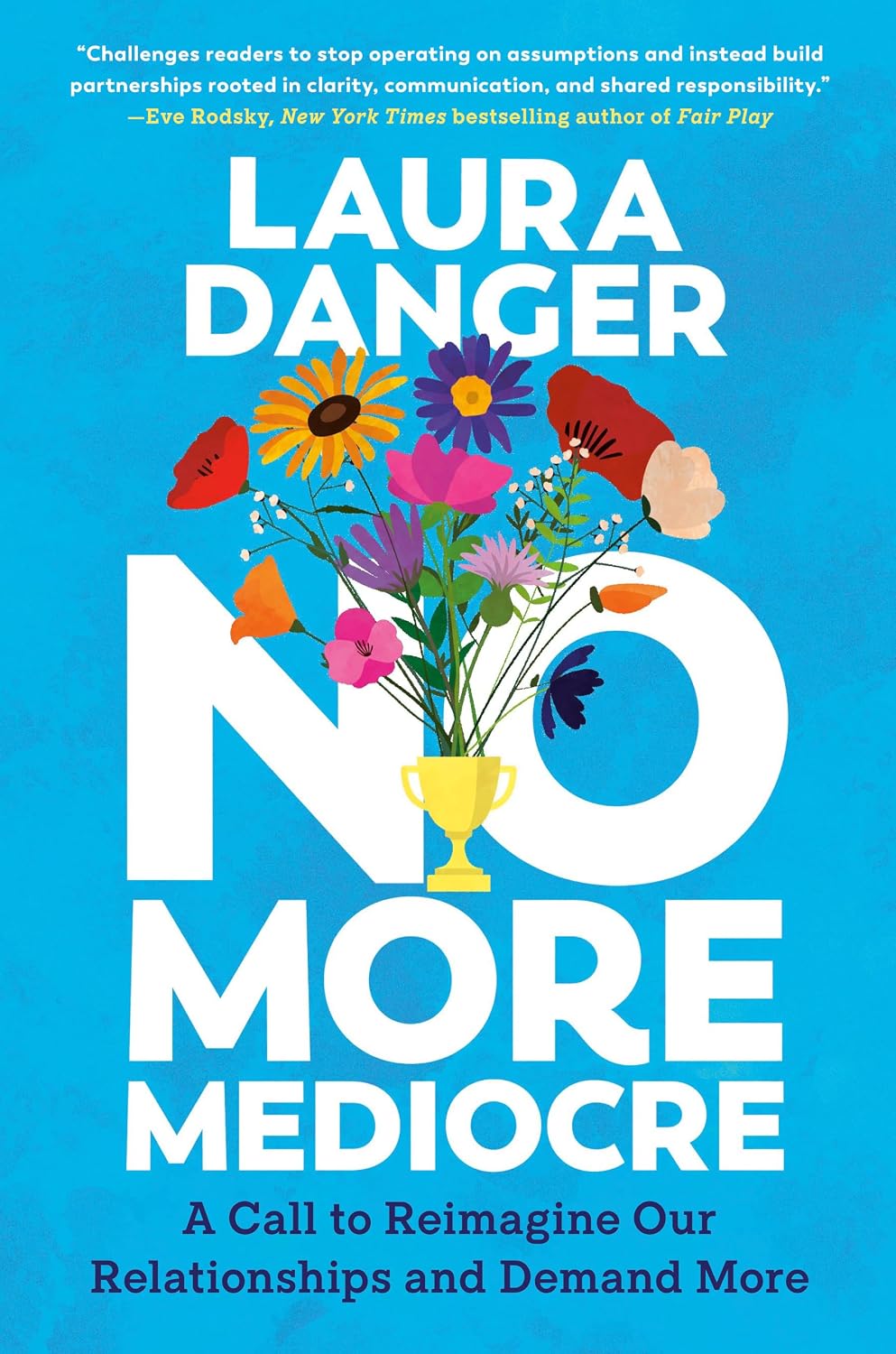


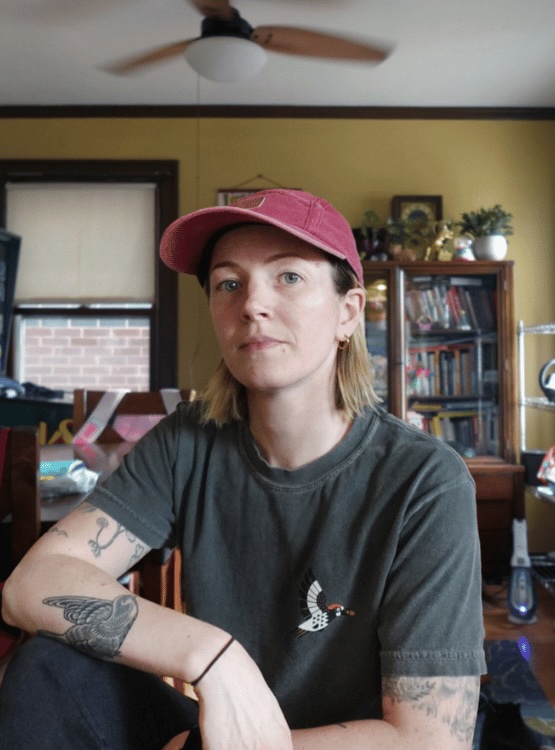
Laura Danger is an author, educator, facilitator, and leading voice on domestic equity, invisible labor, and the relationship dynamics that shape our everyday lives. She is the author of No More Mediocre: A Call to Reimagine Our Relationships and Demand More, published by Plume, an imprint of Penguin Random House. Her writing has appeared in Psychology Today, and her work and expertise have been featured by outlets including TODAY, HuffPost, InStyle, Business Insider, and Good Housekeeping. She is also the co-host of Time to Lean, a top 2% globally ranked podcast exploring mental load, emotional labor, relationships, and the systems that influence life at home, and has appeared as a guest on dozens of top-rated podcasts.
Known online as ThatDarnChat, Laura has built an audience of more than one million people by giving people clear language for experiences they have struggled to name. She helped bring concepts such as weaponized incompetence into mainstream conversation and created the “Nag Paradox” to describe how the person forced to repeatedly manage and remind others is often blamed for the very dynamic they are trying to solve. Drawing on more than a decade as a licensed educator, Laura makes complex cultural and interpersonal patterns accessible without oversimplifying them. Her work blends research, storytelling, humor, and practical tools that help people move beyond resentment and toward greater clarity, autonomy, and enthusiastic collaboration.
Laura is an experienced featured speaker at both in-person and virtual events, frequently invited to address women’s organizations, policy, advocacy and philanthropic groups, employee groups, parents and caregivers, families, educators, and teachers. She speaks about mental load, domestic labor, relationships, gendered expectations, community care, and what it takes to build lives that are not merely functional, but equitable and fulfilling. Her distinctive strength is her ability to connect the intimate details of daily life to broader cultural systems while tailoring each presentation to the audience’s needs, experiences, and dynamics—a skill she honed as an educator specializing in individualized instruction. Whether she is speaking to a room of organizational leaders, a gathering of caregivers and children, or an audience of educators and advocates, Laura leaves people with language they can use, patterns they can recognize, and a compelling invitation to demand more than “good enough.”


 “No More Mediocre unpacks the complex history of unpaid labor and how it continues to shape today’s relationships. With storytelling and candid interviews, Danger reveals the unspoken dynamics—like weaponized incompetence—that silently erodes connection and equity. This book challenges readers to stop operating on assumptions and instead build partnerships rooted in clarity, communication, and shared responsibility.” — Eve Rodsky, New York Times bestselling author of Fair Play