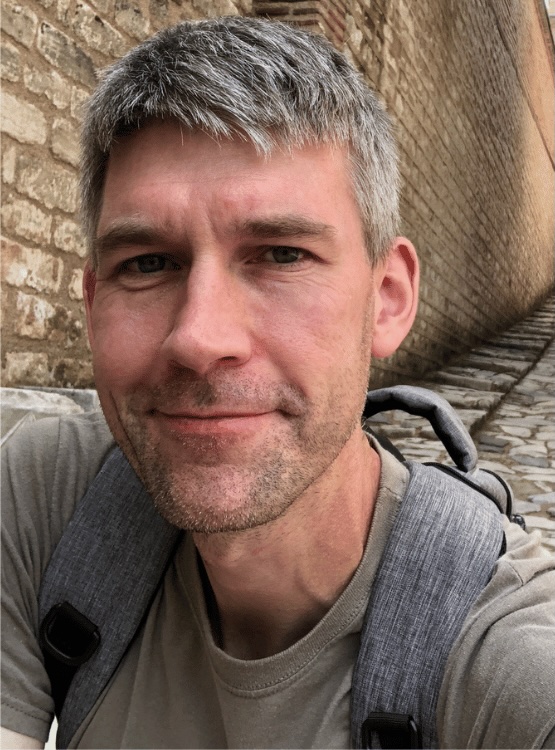

“No writer ranks higher than Sam Kean on the ‘You Will Learn Something New and Weird on Every Page’-o-meter.” ― Ken Jennings, host of Jeopardy!

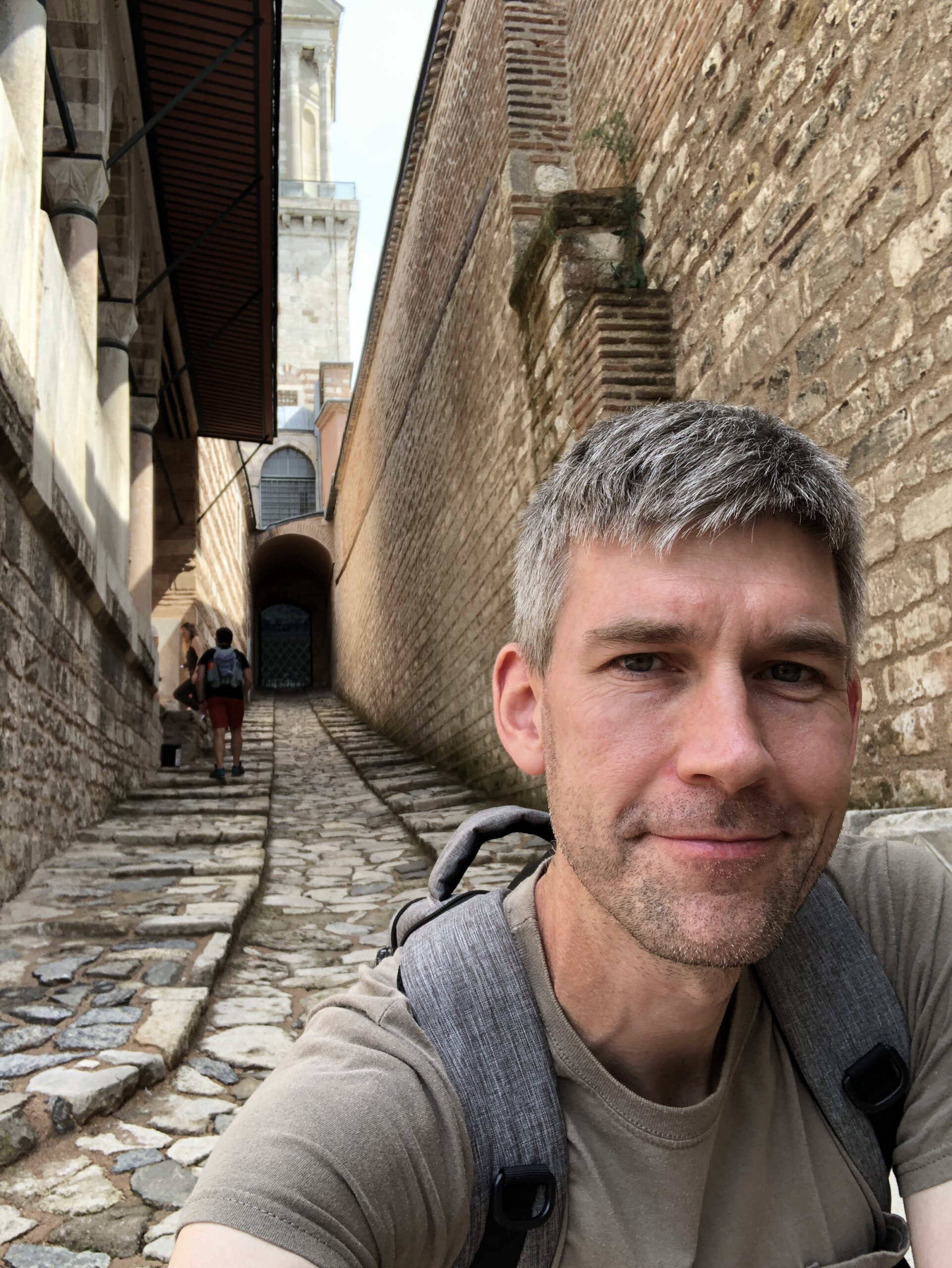
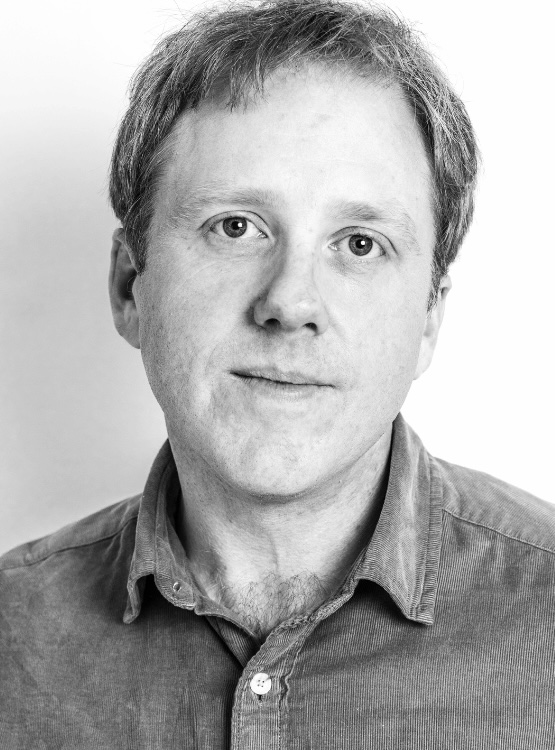
Sam Kean is the New York Times bestselling author of Dinner with King Tut, The Icepick Surgeon, The Bastard Brigade, Caesar’s Last Breath, The Disappearing Spoon, The Dueling Neurosurgeons, and The Violinist’s Thumb. The Bastard Brigade was an NPR Science Friday book of the year, while Caesar’s Last Breath was the Guardian science book of the year in 2017 and a runner-up for book of the year from the National Academies of Science. In addition, The Disappearing Spoon was a runner-up for the Royal Society of London’s book of the year for 2010, and The Violinist’s Thumb, The Dueling Neurosurgeons, and Dinner with King Tut were nominated for the PEN/E.O. Wilson award for literary science writing. He also won the 2021 national Grady-Stack award for outstanding scientific communication.

Dinner with King Tut was a national bestseller and a New Yorker, Amazon, Smithsonian, and History Channel top book of the year, as well as the winner of the Non-Obvious Book Award for most original book. Kean edited the 2018 edition of Best American Nature and Science Writing, and his work has appeared in National Geographic, The New Yorker, The Atlantic Monthly, the New York Times Magazine, Psychology Today, and Slate, among other publications, and he has been featured on NPR’s “Radiolab,” “Science Friday,” “All Things Considered,” and “Fresh Air.” His books have been translated into twenty-four languages around the world. One of his books even appeared in an iPhone commercial. Finally, his podcast, The Disappearing Spoon, debuted at #1 on the iTunes charts for science podcasts.
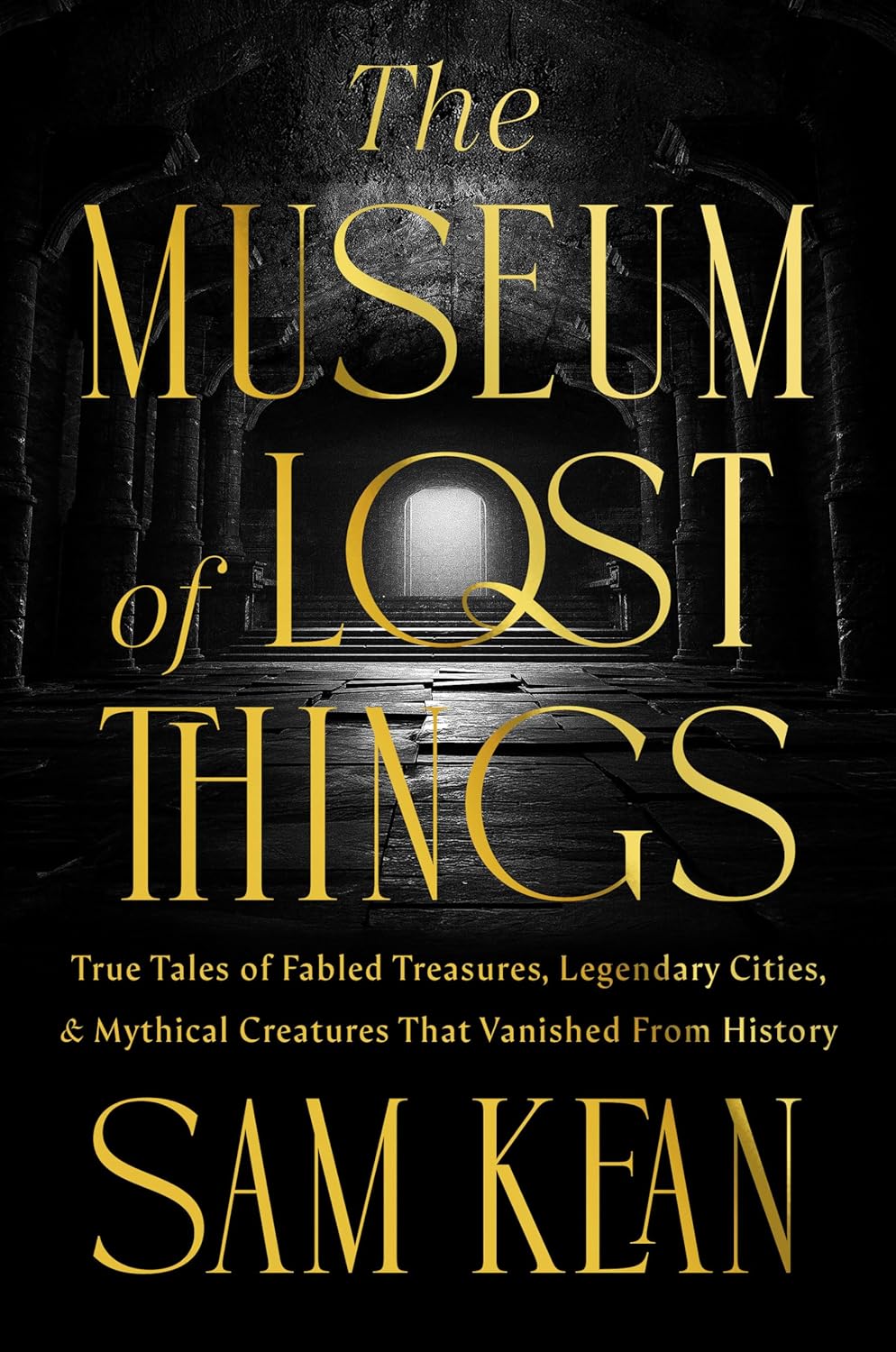
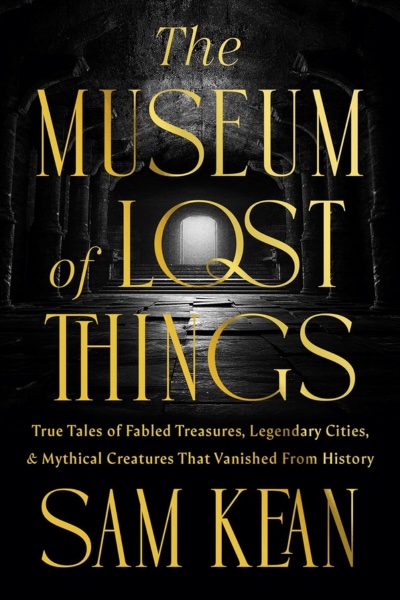
The Museum of Lost Things: True Tales of Fabled Treasures, Legendary Cities, and Mythical Creatures That Vanished From History

National Geographic |
History

Discover the astonishing story of the world’s greatest lost treasures in this enthralling narrative by a writer with “the anecdotal flourishes of Oliver Sacks and the populist accessibility of Malcolm Gladwell.” (Entertainment Weekly)

Spanning a million years of history, the mysteries in these pages include fabled relics, legendary cities, mythical species, and undeciphered languages that have bedeviled seekers for centuries.

Perhaps the single most common theme across all of history is loss. The loss of lands, loss of sacred objects, loss of languages, of rights, of life—the past groans with disappearances of all kinds. This enthralling narrative collects the most spellbinding tales of these experiences and weaves them into a thoughtful meditation on what it all means across the sweep of human history and the scope of human lives, including:

  • The long-lost city of Troy
  • The hidden tomb of Genghis Khan
  • The destruction of the fabled library of Alexandria
  • The near-destruction of the Mona Lisa and other art
  • The decipherment of ancient Egyptian hieroglyphs
  • The extinction—and potential resurrection—of dodos, mammoths, and other iconic species

Provocative, surprising, and above all entertaining, this globe-trotting narrative acknowledges the sheer scale of humanity’s losses, celebrates the treasures we have managed to retain, and reveals why they continue to captivate us centuries later.

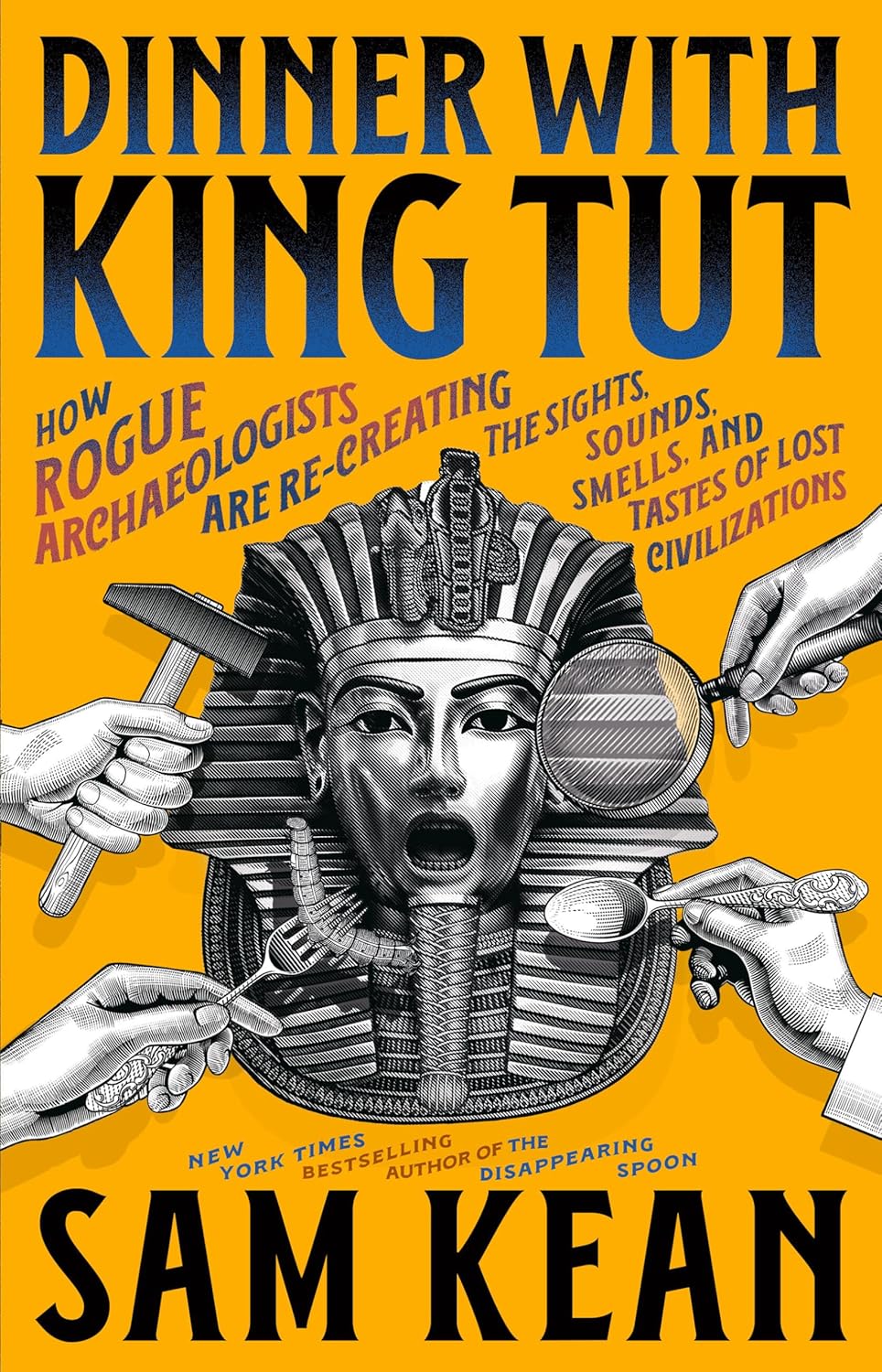
Dinner with King Tut: How Rogue Archaeologists Are Re-creating the Sights, Sounds, Smells, and Tastes of Lost Civilizations

Little, Brown and Company |
History & Archaeology
Finalist for the 2026 PEN/E.O. Wilson Literary Science Writing Award | LOS ANGELES TIMES BESTSELLER | INDIE BESTSELLER | The New Yorker‘s Best Books of 2025

From “one of America’s smartest and most charming writers” (NPR), an archaeological romp through the entire history of humankind—and through all five senses—from tropical Polynesian islands to forbidding arctic ice floes, and everywhere in between.

Whether it’s the mighty pyramids of Egypt or the majestic temples of Mexico, we have a good idea of what the past looked like. But what about our other senses: The tang of Roman fish sauce and the springy crust of Egyptian sourdough? The boom of medieval cannons and the clash of Viking swords? The frenzied plays of an Aztec ballgame…and the chilling reality that the losers might also lose their lives?

History often neglects the tastes, textures, sounds, and smells that were an intimate part of our ancestors’ lives, but a new generation of researchers is resurrecting those hidden details, pioneering an exciting new discipline called experimental archaeology. These are scientists gone rogue: They make human mummies. They investigate the unsolved murders of ancient bog bodies. They carve primitive spears and go hunting, then knap their own obsidian blades to skin the game. They build perilous boats and plunge out onto the open sea—all in the name of experiencing history as it was, with all its dangers, disappointments, and unexpected delights.

Beloved author Sam Kean joins these experimental archaeologists on their adventures across the globe, from the Andes to the South Seas. He fires medieval catapults, tries his hand at ancient surgery and tattooing, builds Roman-style roads—and, in novelistic interludes, spins gripping tales about the lives of our ancestors with vivid imagination and his signature meticulous research.

Lively, offbeat, and filled with stunning revelations about our past, Dinner with King Tut sheds light on days long gone and the intrepid experts resurrecting them today, with startling, lifelike detail and more than a few laughs along the way.

Smithsonian’s Top 10 Science Books of the Year | The History Channel’s Best New History Books of 2025 | Washington Independent Review of Books‘s 51 Favorite Books of 2025 | Amazon’s Best Books of the Year

Winner of the Non-Obvious Book Award’s Most Original Book of the Year

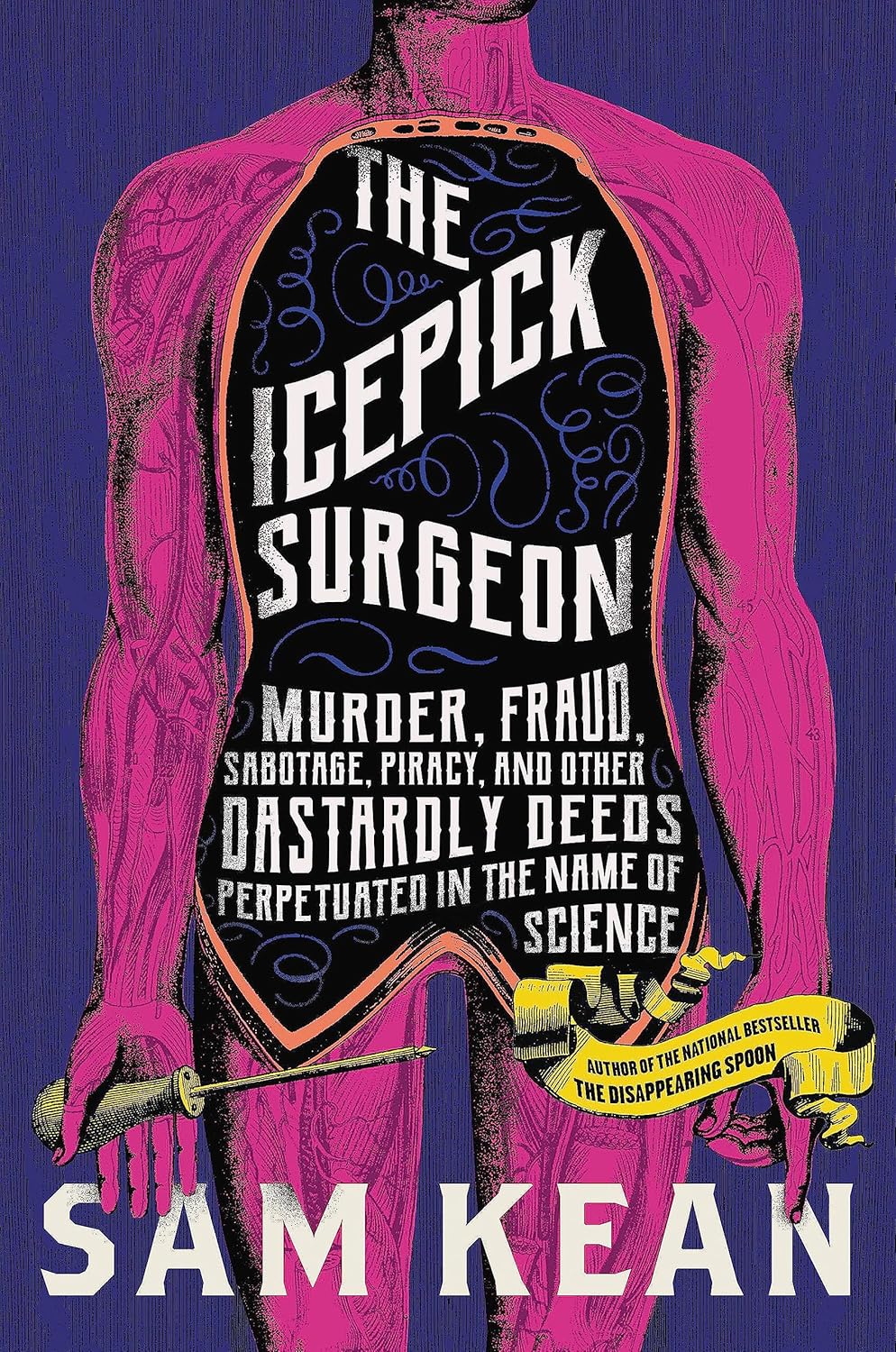
The Icepick Surgeon: Murder, Fraud, Sabotage, Piracy, and Other Dastardly Deeds Perpetrated in the Name of Science

Little, Brown and Company |
History

From a New York Times bestselling author comes the gripping, untold history of science’s darkest secrets, “a fascinating book [that] deserves a wide audience” (Publishers Weekly, starred review).

Science is a force for good in the world—at least usually. But sometimes, when obsession gets the better of scientists, they twist a noble pursuit into something sinister. Under this spell, knowledge isn’t everything, it’s the only thing—no matter the cost. Bestselling author Sam Kean tells the true story of what happens when unfettered ambition pushes otherwise rational men and women to cross the line in the name of science, trampling ethical boundaries and often committing crimes in the process.

The Icepick Surgeon masterfully guides the reader across two thousand years of history, beginning with Cleopatra’s dark deeds in ancient Egypt. The book reveals the origins of much of modern science in the transatlantic slave trade of the 1700s, as well as Thomas Edison’s mercenary support of the electric chair and the warped logic of the spies who infiltrated the Manhattan Project. But the sins of science aren’t all safely buried in the past. Many of them, Kean reminds us, still affect us today. We can draw direct lines from the medical abuses of Tuskegee and Nazi Germany to current vaccine hesitancy, and connect icepick lobotomies from the 1950s to the contemporary failings of mental-health care. Kean even takes us into the future, when advanced computers and genetic engineering could unleash whole new ways to do one another wrong.

Unflinching, and exhilarating to the last page, The Icepick Surgeon fuses the drama of scientific discovery with the illicit thrill of a true-crime tale. With his trademark wit and precision, Kean shows that, while science has done more good than harm in the world, rogue scientists do exist, and when we sacrifice morals for progress, we often end up with neither.

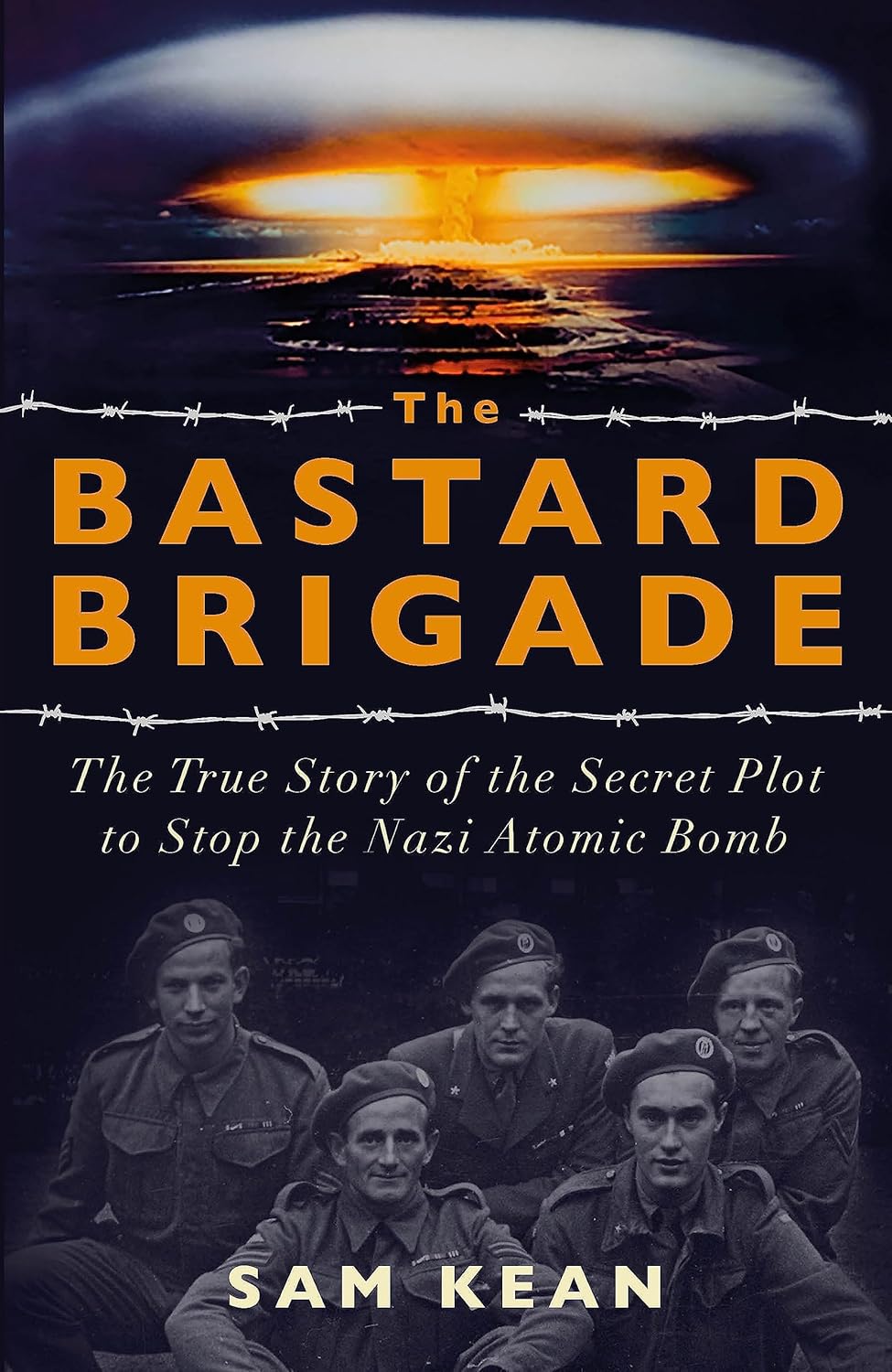
The Bastard Brigade: The True Story of the Renegade Scientists and Spies Who Sabotaged the Nazi Atomic Bomb

Little, Brown and Company |
History

From New York Times bestselling author Sam Kean comes the gripping, untold story of a renegade group of scientists and spies determined to keep Adolf Hitler from obtaining the ultimate prize: a nuclear bomb.

Scientists have always kept secrets. But rarely have the secrets been as vital as they were during World War II. In the middle of building an atomic bomb, the leaders of the Manhattan Project were alarmed to learn that Nazi Germany was far outpacing the Allies in nuclear weapons research. Hitler, with just a few pounds of uranium, would have the capability to reverse the entire D-Day operation and conquer Europe. So they assembled a rough and motley crew of geniuses — dubbed the Alsos Mission — and sent them careening into Axis territory to spy on, sabotage, and even assassinate members of Nazi Germany’s feared Uranium Club.

The details of the mission rival the finest spy thriller, but what makes this story sing is the incredible cast of characters — both heroes and rogues alike — including:

  • Moe Berg, the major league catcher who abandoned the game for a career as a multilingual international spy; the strangest fellow to ever play professional baseball.
  • Werner Heisenberg, the Nobel Prize-winning physicist credited as the discoverer of quantum mechanics; a key contributor to the Nazi’s atomic bomb project and the primary target of the Alsos mission.
  • Colonel Boris Pash, a high school science teacher and veteran of the Russian Revolution who fled the Soviet Union with a deep disdain for Communists and who later led the Alsos mission.
  • Joe Kennedy Jr., the charismatic, thrill-seeking older brother of JFK whose need for adventure led him to volunteer for the most dangerous missions the Navy had to offer.
  • Samuel Goudsmit, a washed-up physics prodigy who spent his life hunting Nazi scientists — and his parents, who had been swept into a concentration camp — across the globe.
  • Irène and Frederic Joliot-Curie, a physics Nobel-Prize winning power couple who used their unassuming status as scientists to become active members of the resistance.

Thrust into the dark world of international espionage, these scientists and soldiers played a vital and largely untold role in turning back one of the darkest tides in human history.

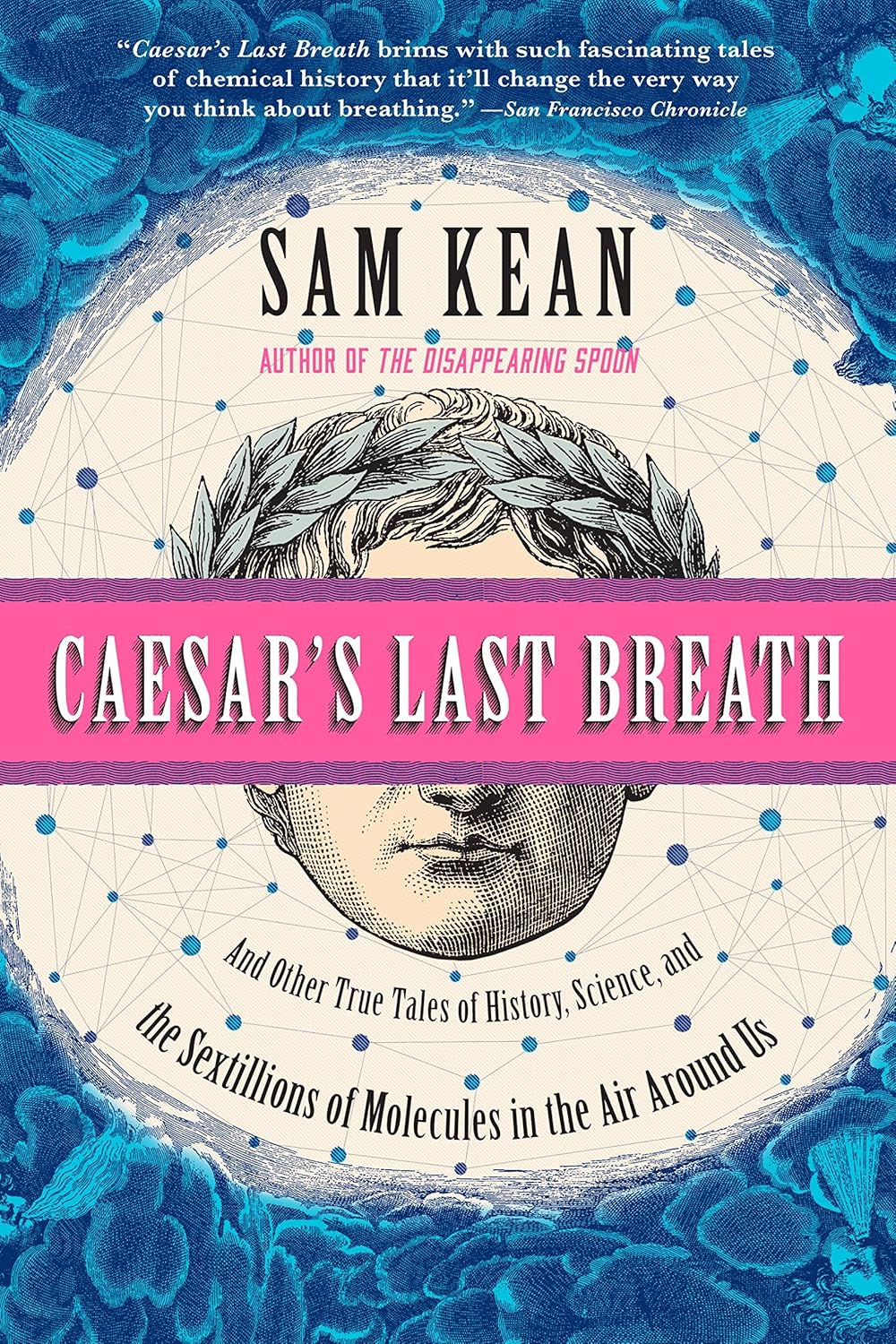
Caesar’s Last Breath: And Other True Tales of History, Science, and the Sextillions of Molecules in the Air Around Us

Little, Brown and Company |
History & Science

The Guardian‘s Best Science Book of 2017: the fascinating science and history of the air we breathe.

It’s invisible. It’s ever-present. Without it, you would die in minutes. And it has an epic story to tell.

In Caesar’s Last BreathNew York Times bestselling author Sam Kean takes us on a journey through the periodic table, around the globe, and across time to tell the story of the air we breathe, which, it turns out, is also the story of earth and our existence on it. With every breath, you literally inhale the history of the world.

On the ides of March, 44 BC, Julius Caesar died of stab wounds on the Senate floor, but the story of his last breath is still unfolding; in fact, you’re probably inhaling some of it now. Of the sextillions of molecules entering or leaving your lungs at this moment, some might well bear traces of Cleopatra’s perfumes, German mustard gas, particles exhaled by dinosaurs or emitted by atomic bombs, even remnants of stardust from the universe’s creation.

Tracing the origins and ingredients of our atmosphere, Kean reveals how the alchemy of air reshaped our continents, steered human progress, powered revolutions, and continues to influence everything we do. Along the way, we’ll swim with radioactive pigs, witness the most important chemical reactions humans have discovered, and join the crowd at the Moulin Rouge for some of the crudest performance art of all time. Lively, witty, and filled with the astounding science of ordinary life, Caesar’s Last Breath illuminates the science stories swirling around us every second.

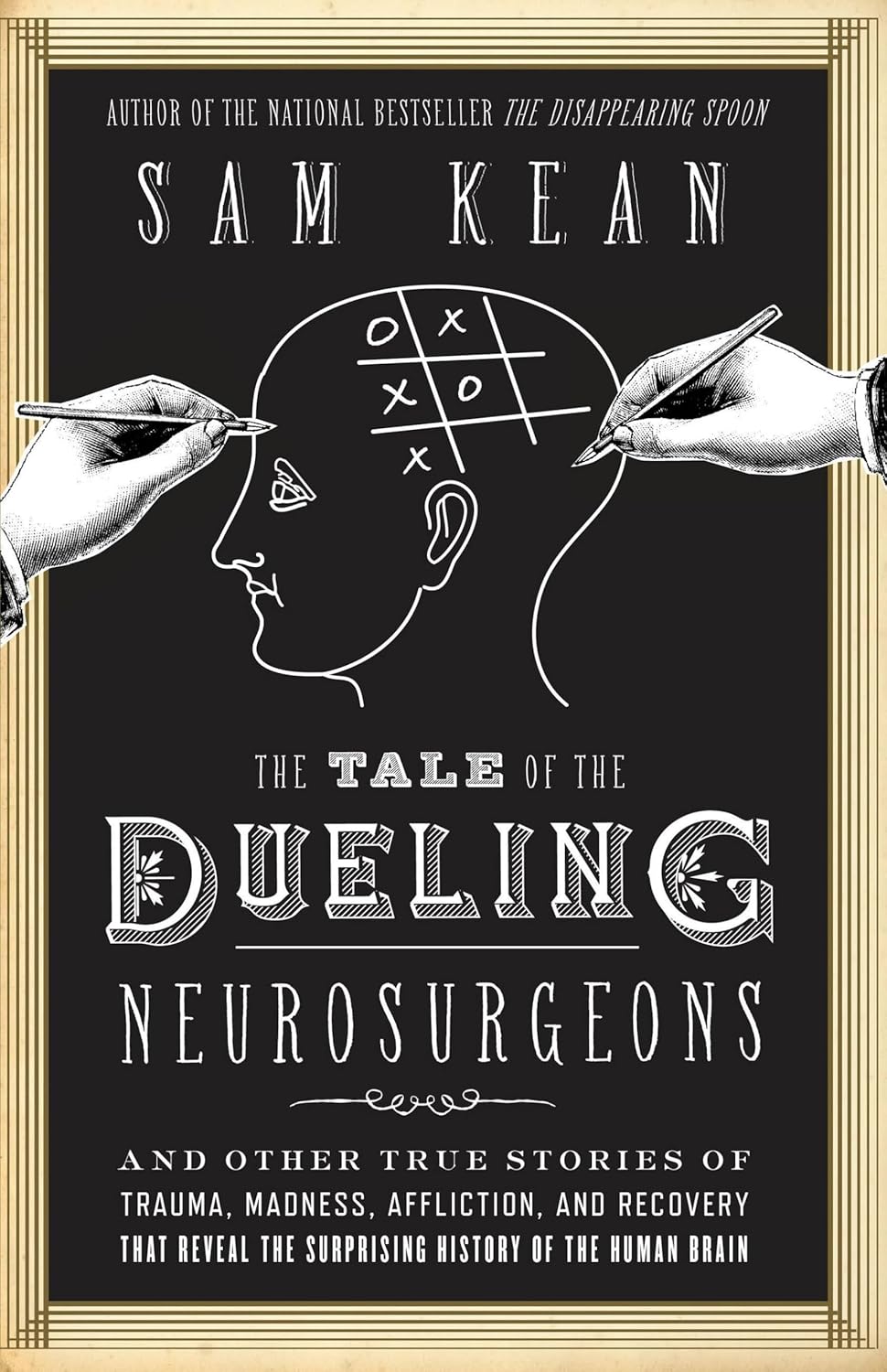
The Tale of the Dueling Neurosurgeons: The History of the Human Brain as Revealed by True Stories of Trauma, Madness, and Recovery

Little, Brown and Company |
History

The author of the bestseller The Disappearing Spoon reveals the secret inner workings of the brain through strange but true stories.

Early studies of the human brain used a simple method: wait for misfortune to strike — strokes, seizures, infectious diseases, horrendous accidents — and see how victims coped. In many cases their survival was miraculous, if puzzling. Observers were amazed by the transformations that took place when different parts of the brain were destroyed, altering victims’ personalities. Parents suddenly couldn’t recognize their own children. Pillars of the community became pathological liars. Some people couldn’t speak but could still sing.

In The Tale of the Dueling Neurosurgeons, Sam Kean travels through time with stories of neurological curiosities: phantom limbs, Siamese twin brains, viruses that eat patients’ memories, blind people who see through their tongues. He weaves these narratives together with prose that makes the pages fly by, to create a story of discovery that reaches back to the 1500s and the high-profile jousting accident that inspired this book’s title.

With the lucid, masterful explanations and razor-sharp wit his fans have come to expect, Kean explores the brain’s secret passageways and recounts the forgotten tales of the ordinary people whose struggles, resilience, and deep humanity made neuroscience possible.

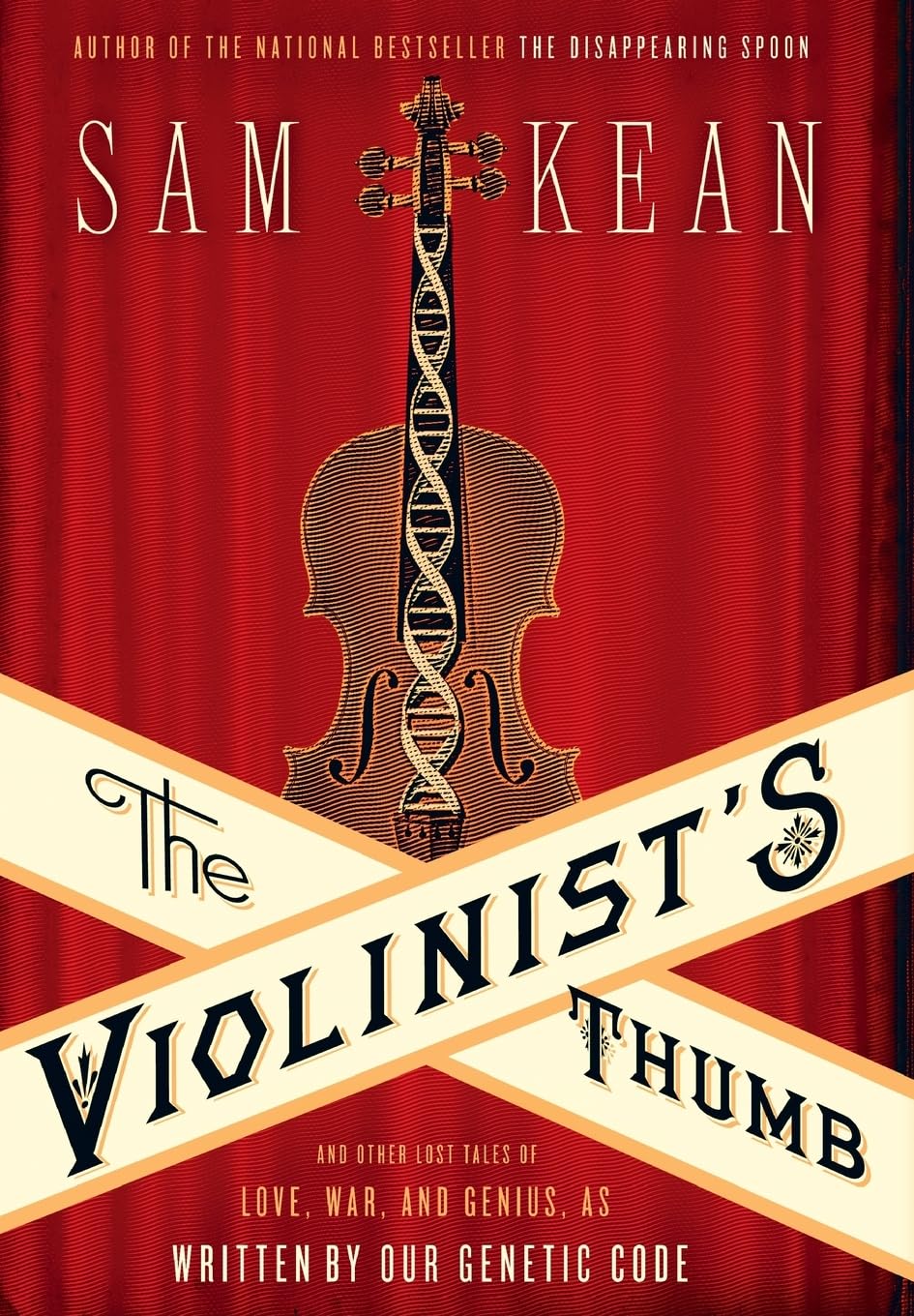
The Violinist’s Thumb: And Other Lost Tales of Love, War, and Genius, as Written by Our Genetic Code

Little, Brown and Company |
Biology

From New York Times bestselling author Sam Kean comes incredible stories of science, history, language, and music, as told by our own DNA.

In The Disappearing Spoon, bestselling author Sam Kean unlocked the mysteries of the periodic table. In The Violinist’s Thumb, he explores the wonders of the magical building block of life: DNA.

There are genes to explain crazy cat ladies, why other people have no fingerprints, and why some people survive nuclear bombs. Genes illuminate everything from JFK’s bronze skin (it wasn’t a tan) to Einstein’s genius. They prove that Neanderthals and humans bred thousands of years more recently than any of us would feel comfortable thinking. They can even allow some people, because of the exceptional flexibility of their thumbs and fingers, to become truly singular violinists.

Kean’s vibrant storytelling once again makes science entertaining, explaining human history and whimsy while showing how DNA will influence our species’ future.

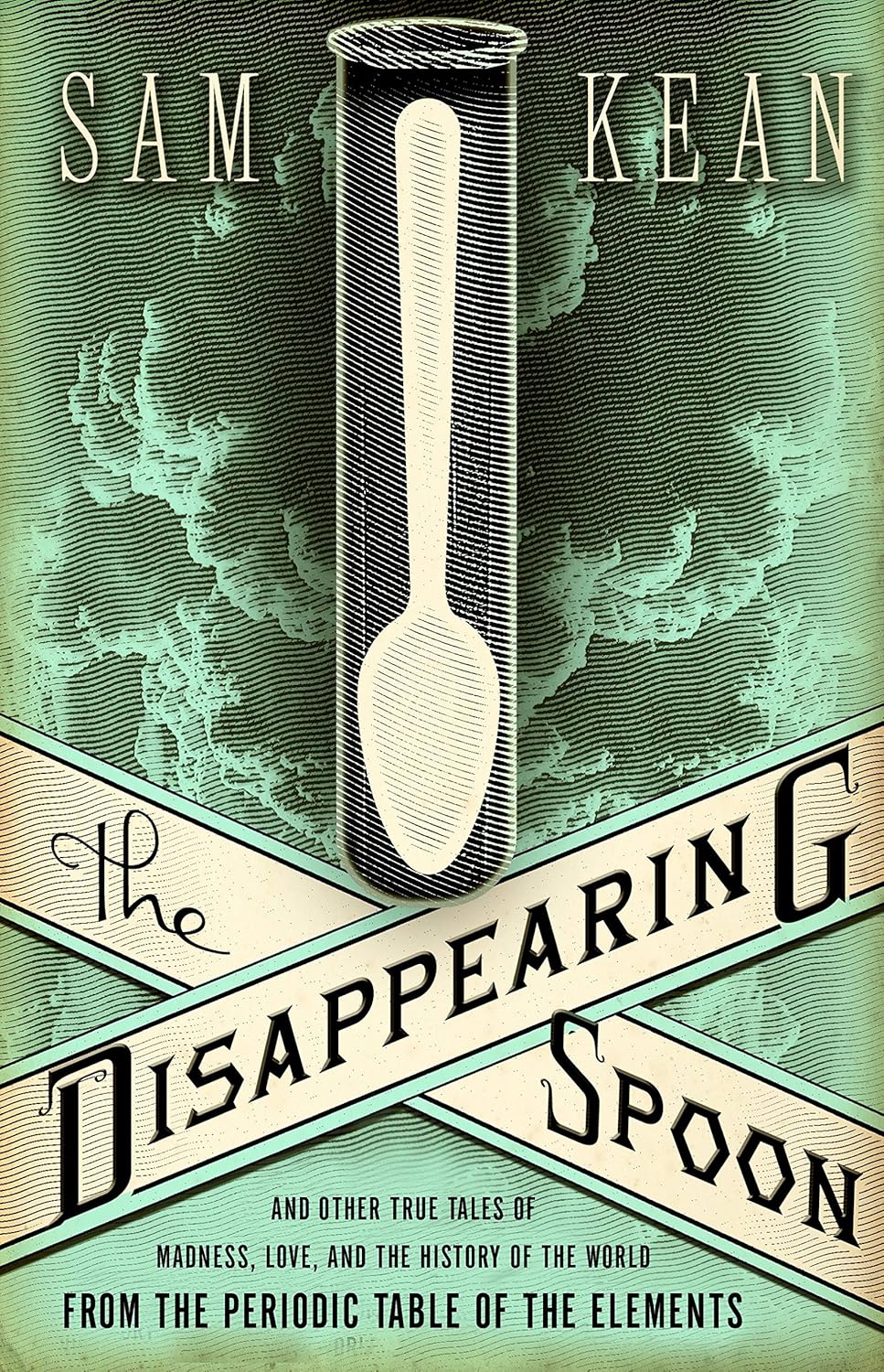
The Disappearing Spoon: And Other True Tales of Madness, Love, and the History of the World from the Periodic Table of the Elements

Little, Brown and Company |
History

From New York Times bestselling author Sam Kean comes incredible stories of science, history, finance, mythology, the arts, medicine, and more, as told by the Periodic Table.

Why did Gandhi hate iodine (I, 53)? How did radium (Ra, 88) nearly ruin Marie Curie’s reputation? And why is gallium (Ga, 31) the go-to element for laboratory pranksters?

The Periodic Table is a crowning scientific achievement, but it’s also a treasure trove of adventure, betrayal, and obsession. These fascinating tales follow every element on the table as they play out their parts in human history, and in the lives of the (frequently) mad scientists who discovered them. The Disappearing Spoon masterfully fuses science with the classic lore of invention, investigation, and discovery—from the Big Bang through the end of time.

Though solid at room temperature, gallium is a moldable metal that melts at 84 degrees Fahrenheit. A classic science prank is to mold gallium spoons, serve them with tea, and watch guests recoil as their utensils disappear.

Authors-Unbound_icon-web-link.png

Dinner with King Tut

A new generation of researchers is resurrecting the hidden details of lost civilizations, pioneering an exciting new discipline called experimental archaeology. These are scientists gone rogue: They make human mummies. They investigate the unsolved murders of ancient bog bodies. They carve primitive spears and go hunting, then knap their own obsidian blades to skin the game. They build perilous boats and plunge out onto the open sea—all in the name of experiencing history as it was, with all its dangers, disappointments, and unexpected delights. Sam Kean joins these experimental archaeologists on their adventures across the globe, from the Andes to the South Seas. He fires medieval catapults, tries his hand at ancient surgery and tattooing, builds Roman-style roads, and much more. Lively, offbeat, and filled with stunning revelations about our past, Dinner with King Tut sheds light on days long gone and the intrepid experts resurrecting them today, with startling, lifelike detail and more than a few laughs along the way.

Authors-Unbound_icon-web-link.png

Spoons and Thumbs: Funny, spooky, poignant, and completely true science stories

Join national bestselling author Sam Kean as he spins a selection of funny, spooky, poignant, and completely true science stories from several of his award-winning books. Topics covered include the joys of the periodic, the perils and promise of the human genome, the enduring mysteries of neuroscience, and the rogue new field of experimental archaeology, as well as Sam’s path as a science writer.

Authors-Unbound_icon-web-link.png

The Bastard Brigade

Scientists have always kept secrets. But rarely have the secrets been as vital as they were during World War II. While building the atomic bomb, the leaders of the Manhattan Project were panicked to learn that Nazi Germany was far outpacing the Allies in nuclear weapons research. With just a few pounds of uranium, Hitler could reverse the entire D-Day operation and conquer Europe. So they assembled a motley crew of scientists, spies, and soldiers—including a Major League Baseball player, JFK’s older brother, and more—to go careening into Axis territory to spy on, sabotage, and even assassinate members of Nazi Germany’s feared Uranium Club. As far as they knew, the outcome of the entire war—and the fate of the free world—was resting on their shoulders.

Authors-Unbound_icon-web-link.png

Caesar’s Last Breath

How much do you know about the air all around you? Take a deep breath and find out. Caesar’s Last Breath looks at all the gases we inhale with each breath—not only nitrogen and oxygen, but pollutants, booze, volcano exhaust, bits of anesthesia, radioactive fallout from 1950s weapons testing, and so on—and spins a funny or spooky or weird story about each one and its role in shaping the Earth. The really cool thing is that each different gas comes from a distinct era in Earth’s history. Some have been around since our planet’s first hours; some arose with the first lifeforms; other arose only with human beings. So if you mix all these gases together, you get a complete history of the Earth. In fact, you reconstruct the whole history of the world inside your lungs every single time you take a breath…

Authors-Unbound_icon-web-link.png

The Tale of the Dueling Neurosurgeons

Siamese brains. Viruses that eat patients’ memories. Blind people who “see” through their tongues. Stroke victims who can’t speak but can still sing. Until very recently, scientists had only one way to study the brain: wait for misfortune to strike and see how people’s minds were transformed afterward. These people’s lives laid the foundations of modern neuroscience, and their fascinating and dramatic stories expand our notions of what the brain is capable of — showing that when one part of the mind shuts down, something new and unpredictable and sometimes even beautiful roars to life.

Authors-Unbound_icon-web-link.png

The Violinist’s Thumb

Did the human race almost go extinct? Can genetics explain a crazy cat lady’s love for felines? How does DNA lead to people with no fingerprints, or humans born with tails? And how did the right combination of genes create the exceptionally flexible thumbs and fingers of a truly singular violinist? Unraveling the genetic code hasn’t always been easy—from its earliest days, genetics has been rife with infighting, backstabbing, and controversial theories—but scientists can now finally read the astounding stories about human history buried in our DNA.
Book sales and signing to follow.

Authors-Unbound_icon-web-link.png

The Disappearing Spoon

Why did Gandhi hate iodine? Why did the Japanese kill Godzilla with missiles made of cadmium? How did radium nearly ruin Marie Curie’s reputation? And why did tellurium lead to the most bizarre gold rush in history? The Periodic Table is one of our crowning scientific achievements, but it’s also a treasure trove of passion, adventure, betrayal, and obsession. The Disappearing Spoon delves into every single element on the table and explains each one’s role in science, money, mythology, war, the arts, medicine, alchemy, and other areas of human history, from the Big Bang through the end of time.

Authors-Unbound_icon-web-link.png

The Icepick Surgeon

Science is a force for good in the world—at least usually. But sometimes, when obsession gets the better of scientists, they twist a noble pursuit into something sinister. Bestselling author Sam Kean tells the true story of what happens when unfettered ambition pushes otherwise rational men and women to cross the line in the name of science, trampling ethical boundaries and often committing crimes in the process. The Icepick Surgeon crosses two thousand years of history, covering everything from Cleopatra’s dark deeds to Thomas Edison’s mercenary support of the electric chair to medical horrors like lobotomies. It’s all the drama of scientific discovery fused with the illicit thrill of true-crime tales.

Sam’s Podcast Link

Honors, Awards & Recognition

New York Times Bestseller
National Bestseller
2021 National Grady-Stack Award for Outstanding Scientific Communication Winner
Books have been translated into 24 languages

Has written for:
National Geographic
The New Yorker
The Atlantic Monthly
The New York Times Magazine
Smithsonian
Slate
and several other publications

His work has also appeared in The Best American Nature and Science Writing
He edited Best American Nature and Science writing in 2017

The Bastard Brigade:
An NPR Science Friday book of the year

Caesar’s Last Breath:
The Guardian science book of the year in 2017
A runner-up for book of the year from the National Academies of Science

The Disappearing Spoon:
A runner-up for the Royal Society of London’s book of the year for 2010

The Violinist’s Thumb, The Dueling Neurosurgeons:
Nominated for the PEN/E.O. Wilson award for literary science writing

Dinner with King Tut:
Nominated for the PEN/E.O. Wilson award for literary science writing
A National Bestseller
A New Yorker, Amazon, Smithsonian, and History Channel top book of the year
Winner of the Non-Obvious Book Award for most original book

His podcast, The Disappearing Spoon, debuted at #1 on the iTunes charts for science podcasts.

Media Kit

By clicking the link below you will be directed to a Google Docs Folder
where you can download author photos and cover images.

Similar Authors

Patrick
Bestselling Author
Abbott
Bestselling Nonfiction Writer
Bryn
Science Writer
Carolyn
Storyteller & Cultural Geographer
Zoë
Bestselling Author

We’ve received your Message!

An AU Representative will connect with you as soon as possible.