
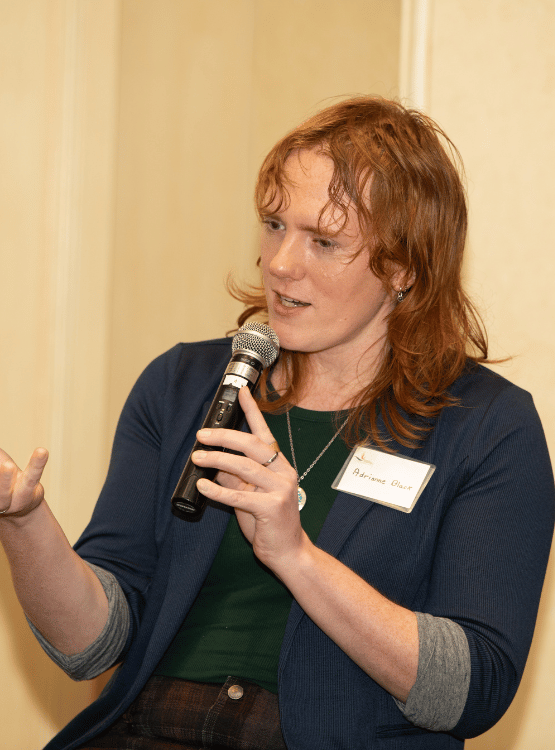
“Phenomenal night hosting Adrianne Black to a packed house at the University of Dayton — a fascinating conversation about histories of hate-fueled violence, identity, community, justice, and having the courage to change.” — Jamie Small, University of Dayton

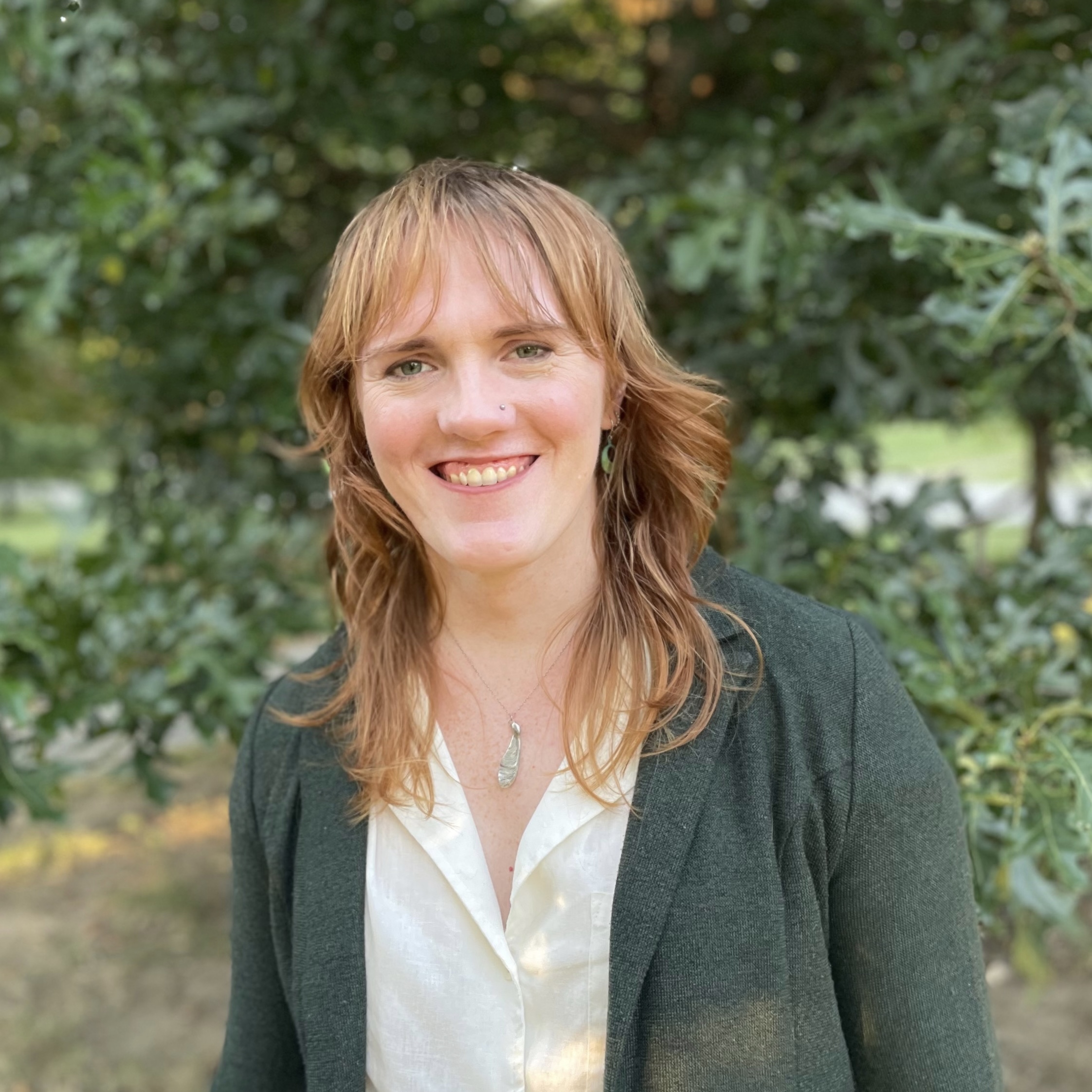
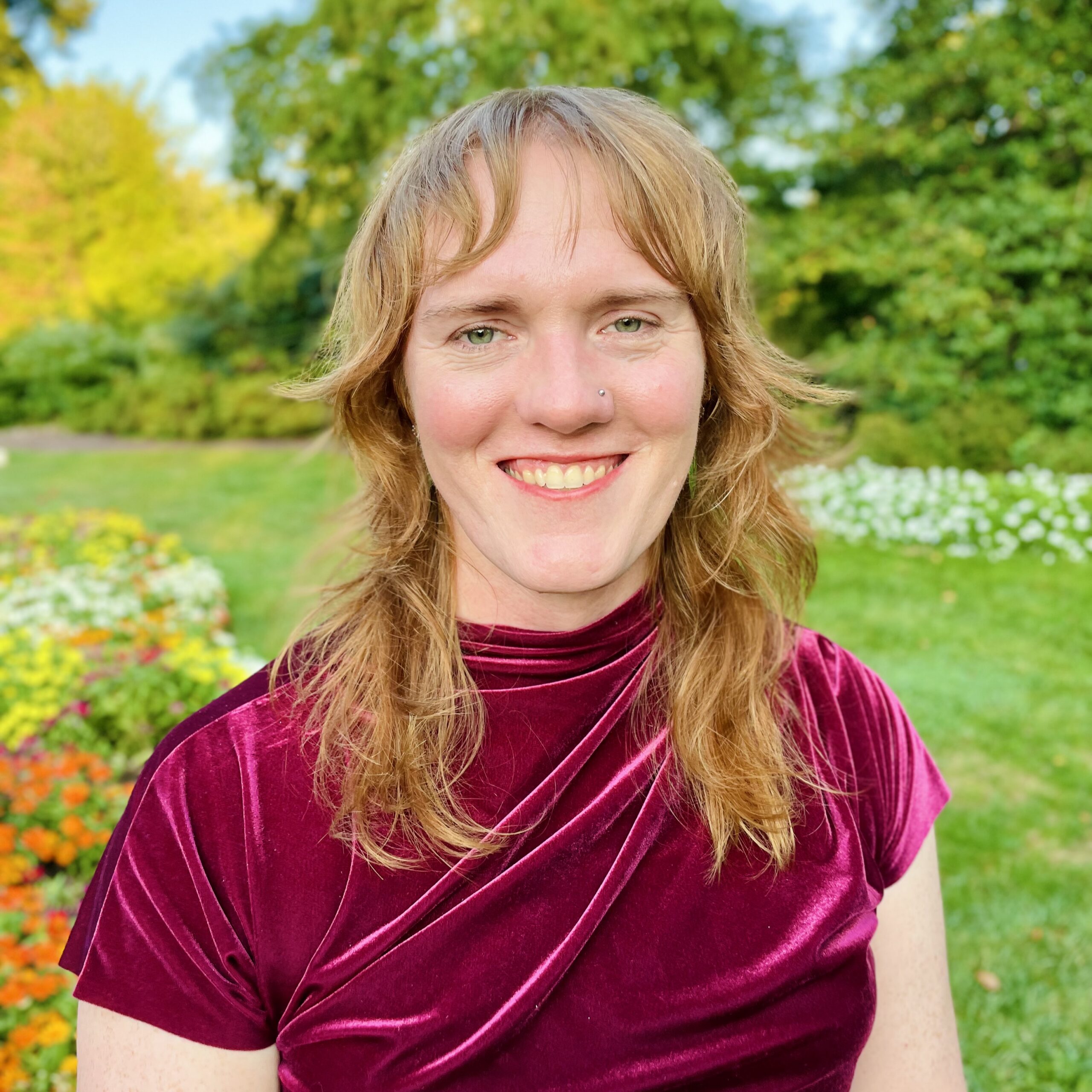
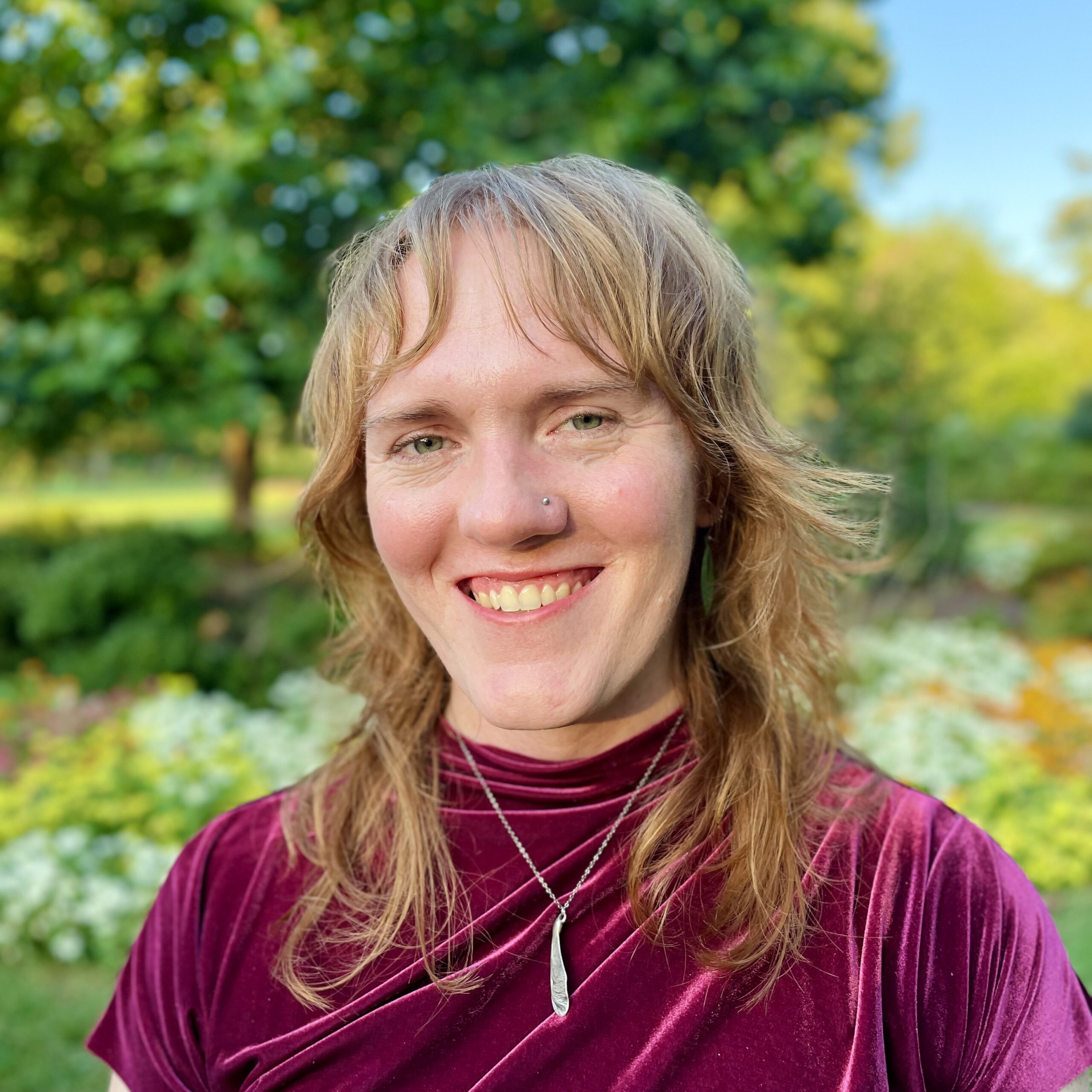
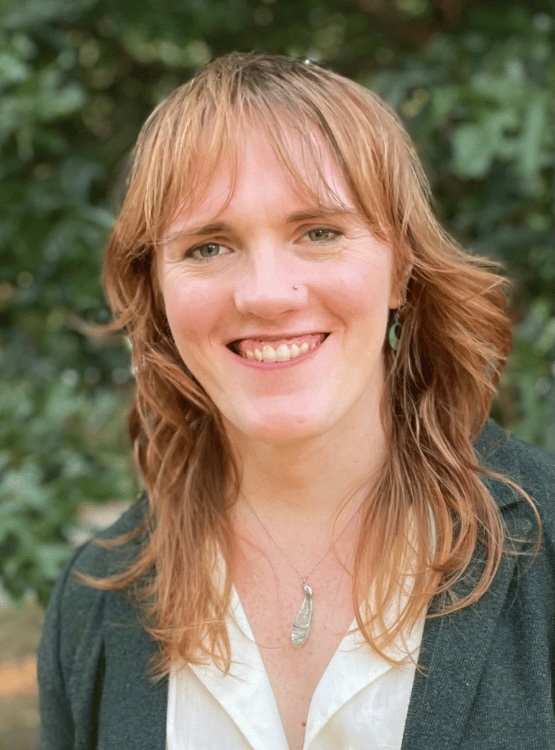
Adrianne F. Black is a historian, writer, and advocate based in Baltimore, and the author of The Klansman’s Son: My Journey From White Nationalism to Antiracism (Abrams Press, 2024), which earned praise from Ibram X. Kendi and Charlayne Hunter-Gault. She grew up as the presumed heir to the American white nationalist movement, and has spent the years since publicly breaking with it. Her work focuses on radicalization, community, how minds change, and the persistence of white supremacy in American life, as a writer, a researcher, and a speaker who has delivered more than a hundred keynotes, workshops, and campus visits since 2016.

Her central argument comes out of that experience: people change not when they admit they’re wrong, but—before that—when they expand who they feel responsible for. As she has written, “Persuading anyone to change their beliefs about something fundamental to their identity is the same as asking them to change their community.”

She has worked with the U.S. Holocaust Memorial Museum, Facing History and Ourselves, the Center for American Progress, and Ibram X. Kendi’s Antiracist Research and Policy Center on staff education, lesson plans, and public-facing resources that counter racist and antisemitic beliefs. Her essays have appeared in The New York Times, TIME, Newsweek, USA Today, and Literary Hub, and she has spoken on NPR’s Fresh Air, The Daily, On Being, Amanpour & Company, and The Daily Show.

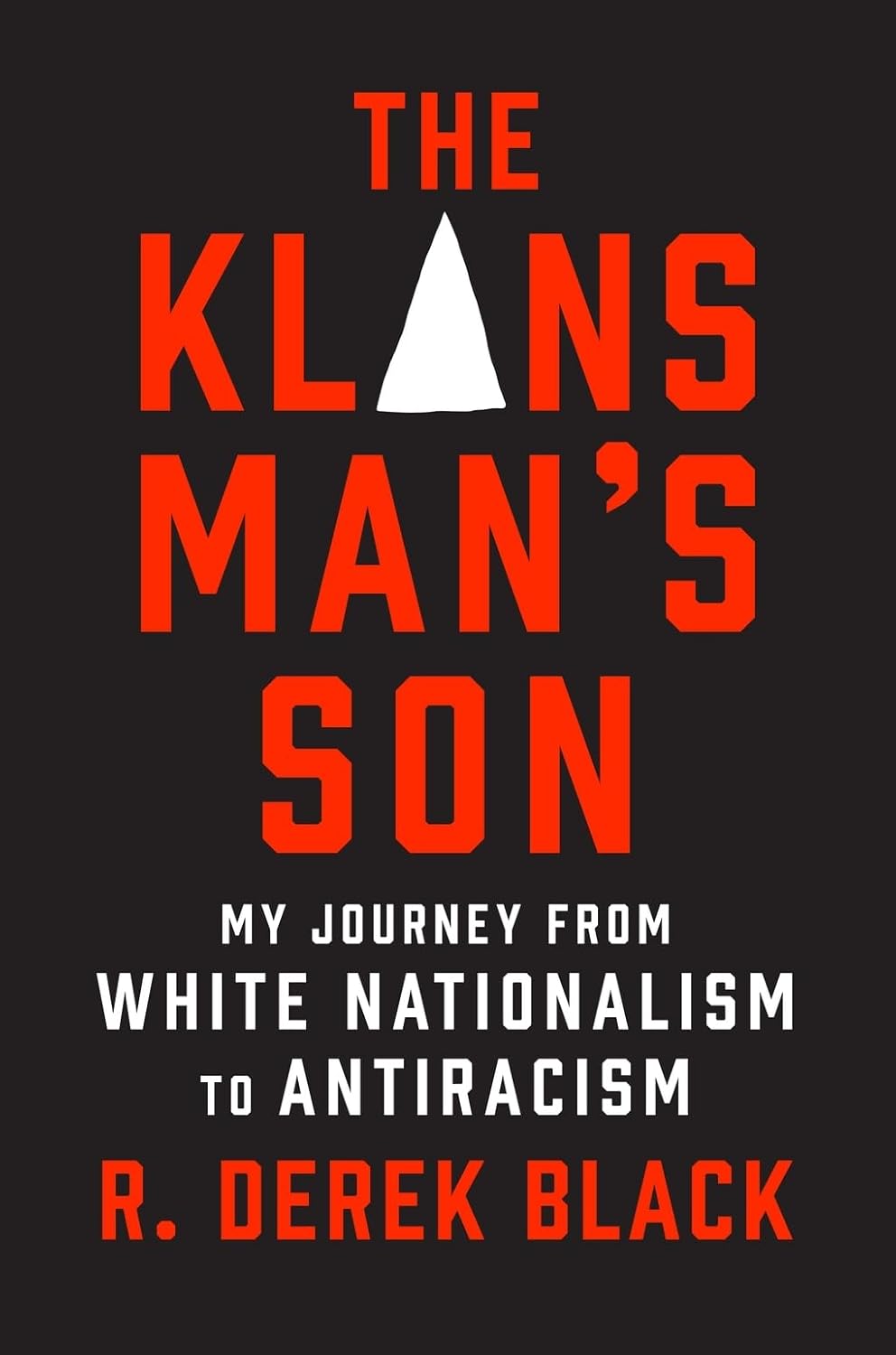
Adrianne published The Klansman’s Son under the name R. Derek Black, which it is still cataloged under on book selling sites. She has since changed her name to Adrianne F. Black and writes, speaks, and publishes under that name as well.
Adrianne's Featured Titles

The Klansman’s Son: My Journey from White Nationalism to Antiracism: A Memoir

Harry N. Abrams |
Memoir

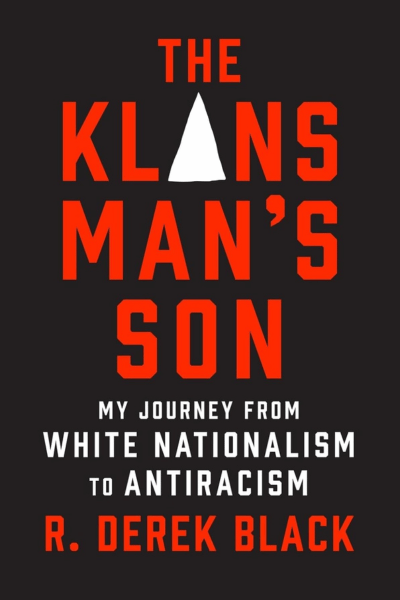
The Klansman’s Son: My Journey From White Nationalism to Antiracism (Abrams Press, 2024) is Adrianne F. Black’s memoir of growing up as the presumed heir to the American white nationalist movement, and of choosing to leave it. As she describes it, the book is about being given a title and choosing whether to uphold it: she spent the first third on the history her family built, and the rest on what it cost to stop. Ibram X. Kendi called it “a deeply moving memoir… how internal courage and external love braced each step”; the Financial Times, “a necessary warning that hatred can be comfortable as much as violent, that family warmth can nurture the worst as much as the best.”

Authors-Unbound_icon-web-link.png

Keynote — Belonging, Identity, and the Hard Work of Leaving an Ideology

Drawing on growing up as the presumed heir to the American white nationalist movement, and the long work of leaving it, this keynote makes the case that people change not when they admit they’re wrong, but when they expand who they feel responsible for. 45–60 minutes with Q&A. Well suited to campus convocations, common reads, annual meetings, and memorial programs.

Authors-Unbound_icon-web-link.png

Conversation — a moderated on-stage interview

On stage with an interviewer from your own community in a conversation shaped around your audience’s own questions about belief, belonging, and change.

Authors-Unbound_icon-web-link.png

Workshop — Case Studies in Activism and Public Life

Two to three hours, capped group. A case-study seminar developed for the Yale Politics Initiative: participants work through real scenarios drawn from inside the white power movement and from a decade of antiracism work, predict what happens next and discuss what it reveals about how people organize, persuade, and change their minds.

Book Club and Community Discussion Guide for The Klansman’s Son: My Journey From White Nationalism to Antiracism 

1. Adrianne is “given a title”, the presumed heir to a movement and the son of one of its leaders, before she’s old enough to choose it. Where else in the book, or in your own life, does someone inherit a role before deciding whether it’s theirs?
2. The Financial Times called this “a necessary warning that… family warmth can nurture the worst as much as the best.” How did love, loyalty, and belonging keep Adrianne inside the movement as much as any argument did?
3. Adrianne argues that people change not when they admit they’re wrong, but when they expand who they feel responsible for. What widened her circle of responsibility, and what did expanding that circle cost her?
4. When Matthew Stevenson invited Adrianne to a weekly Shabbat dinner instead of shutting her out, he chose engagement over exclusion. What did that make possible? When is welcome more powerful than confrontation, and when isn’t it?
5. Adrianne has written that “persuading anyone to change their beliefs about something fundamental to their identity is the same as asking them to change their community.” What does that suggest about how (and how not) to talk with someone whose views you find abhorrent?
6. The book spends its first third on the world Adrianne’s family built, rendered with care rather than only condemnation. What does understanding require that condemnation doesn’t? When is it necessary and when is it counterproductive?
 7. Leaving the white nationalist movement cost Adrianne her family, her community, and the certainty that she grew up with. What does the book show about the price of changing your mind, and who bears that cost?
8. Adrianne describes antiracism as a worldview that “constantly seeks to expand your circle of people so that anyone can find connection, value, and loyalty,” and admits it can feel “more risky to ask people to imagine something that does not yet exist.” Where in your own life is that circle being widened or narrowed right now?

Honors, Awards & Recognition

Jewish Book Council Book Club Pick, November 2024
Honoree, Holocaust and Human Rights Education Center, 2024
U.S. Holocaust Memorial Museum Days of Remembrance Partner Honoree, 2023
ADL Kay Family Humanitarian Award, 2019
Elie Wiesel Award, Presented by Wiesel Family, the first conferred after the Nobel laureate’s passing, 2017

Media clips

Media Kit

By clicking the link below you will be directed to a Google Docs Folder
where you can download author photos and cover images.

Similar Authors

Memoirist & Educator
Jessica
Critically Acclaimed Nonfiction Writer
Justin

Lee

Bridge-Builder
Savala
Acclaimed Essayist
Reyna
Bestselling Memoirist & Novelist

We’ve received your Message!

An AU Representative will connect with you as soon as possible.