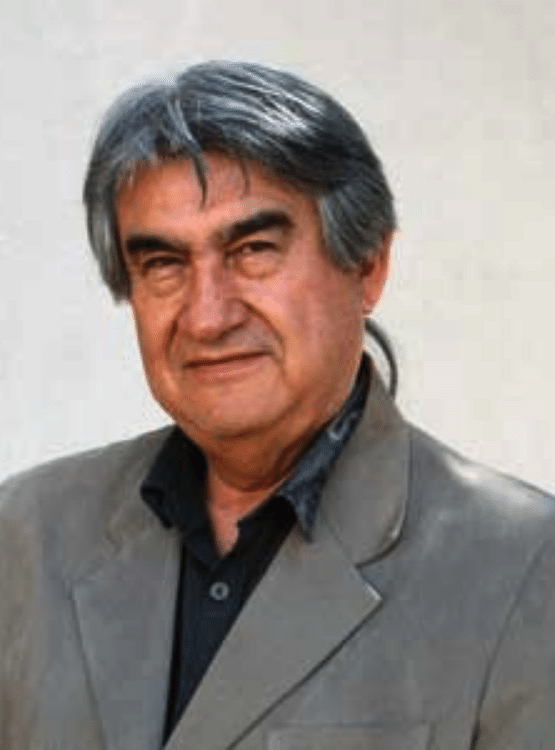
Water in the Desert is a generous invitation to follow the many streams that flow into the river of Gary Paul Nabhan’s remarkable life and work. Drawing on family, teachers, cultures, and the teachings of diverse biocultural landscapes, he brings science to the service of land and culture, showing us what it looks like to reciprocate the gifts of nature with gifts of head, hands, and heart.” — Robin Wall Kimmerer, author of Braiding Sweetgrass

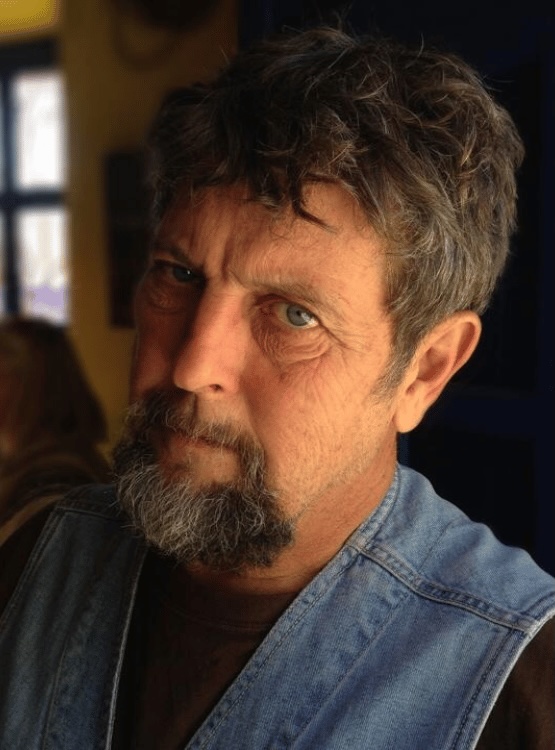
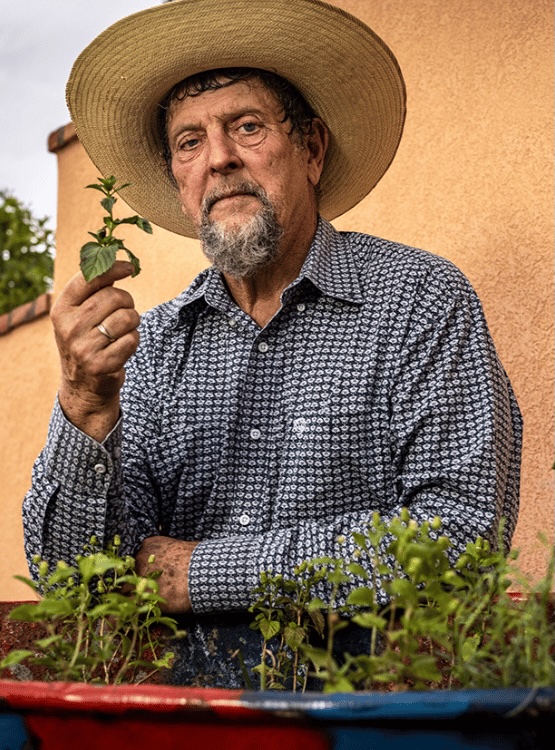
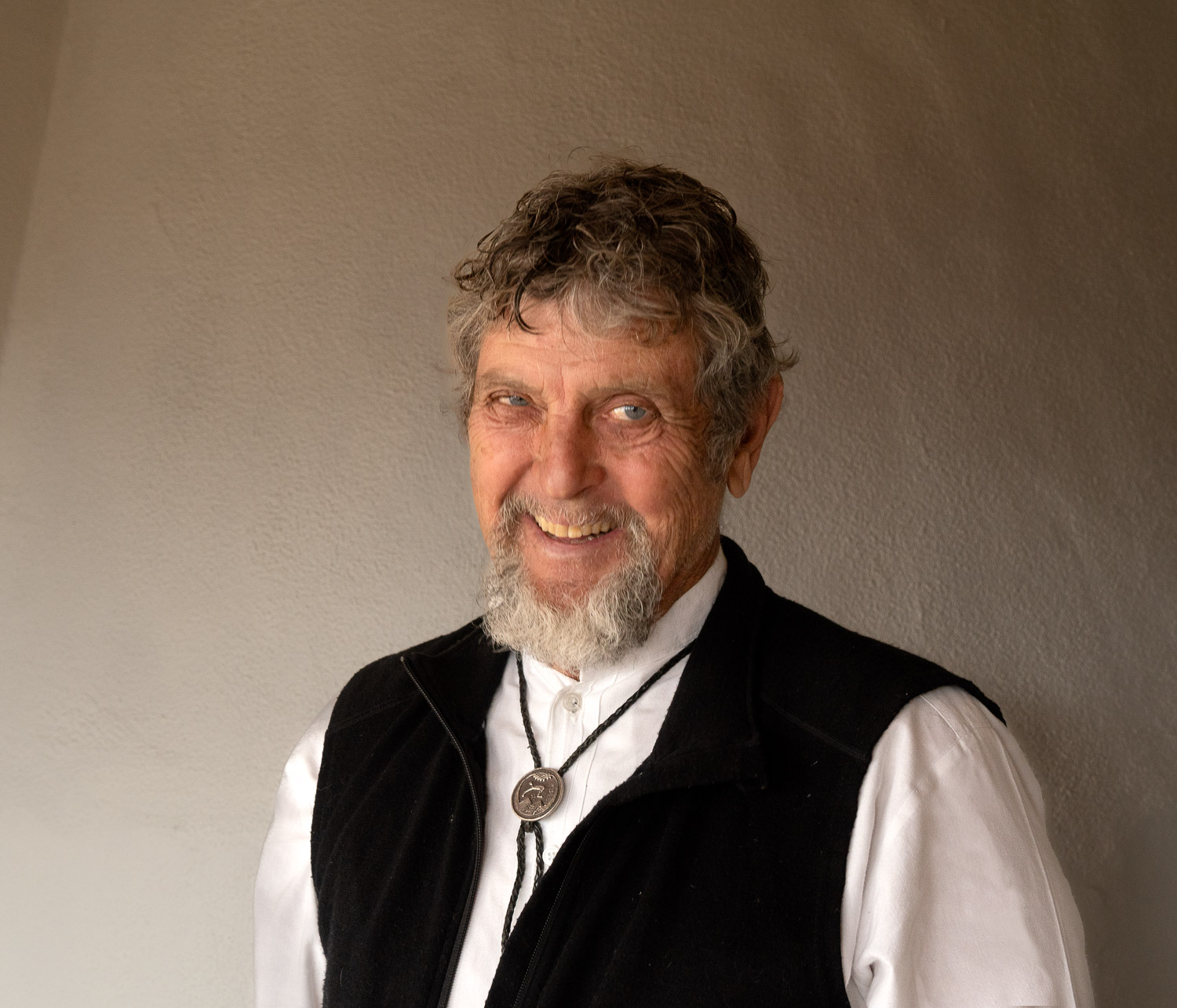
Dr. Gary Paul Nabhan is a Lebanese-American plant explorer, literary naturalist, desert scientist, and biocultural restoration ecologist. Over a half century, his field work and communuty engagement with diverse cultures has spanned ten deserts on four continents. His rich and varied work is unified around three themes, the interactions among plants, animals and traditional land-based cultures; the conservation of biodiversity in deserts and seas, and the need for multicultural and interfaith collaborations to safeguard sacred plants and sacred springs. Nabhan accomplishes their work by building long-term relationships between unlikely partners who walk into “the radical center,” a place where shared values unites rather than divides us.

For this work, Nabhan has been called a “world visionary” by the Utne Reader, the “lyrical poet of biodiversity” by Mother Jones, and the “father of the Local Food Movement” by Time magazine. He has been honored with a McArthur “genius” award, a Lannan Literary Fellowship, a Laureate for global contributions by Arab-Americans by the Takreem Foundation, and several lifetime achievement awards by conservation, science and sustainable food and agriculture organizations.

His thirty-six books and hundreds of journal and magazine articles have been honored with a John Burroughs Medal for Nature Writing, a James Beard Medal, a Vavilov Medal, a Western State Book Award and a Premio Gaia from Sicily. His work has been featured in the New York Times, Nature and the Proceedings of the National Academy of Sciences, NPR Morning Edition, Science Friday and Splendid Table, and in a Sundance Film Award-winning short documentary which he narrates, Man in the Maze. In addition to his research and writing, Nabhan is an Ecumenical Franciscan Brother and orchardist who grows 120 kinds of desert-adapted perennial crops.

Gary's Featured Titles

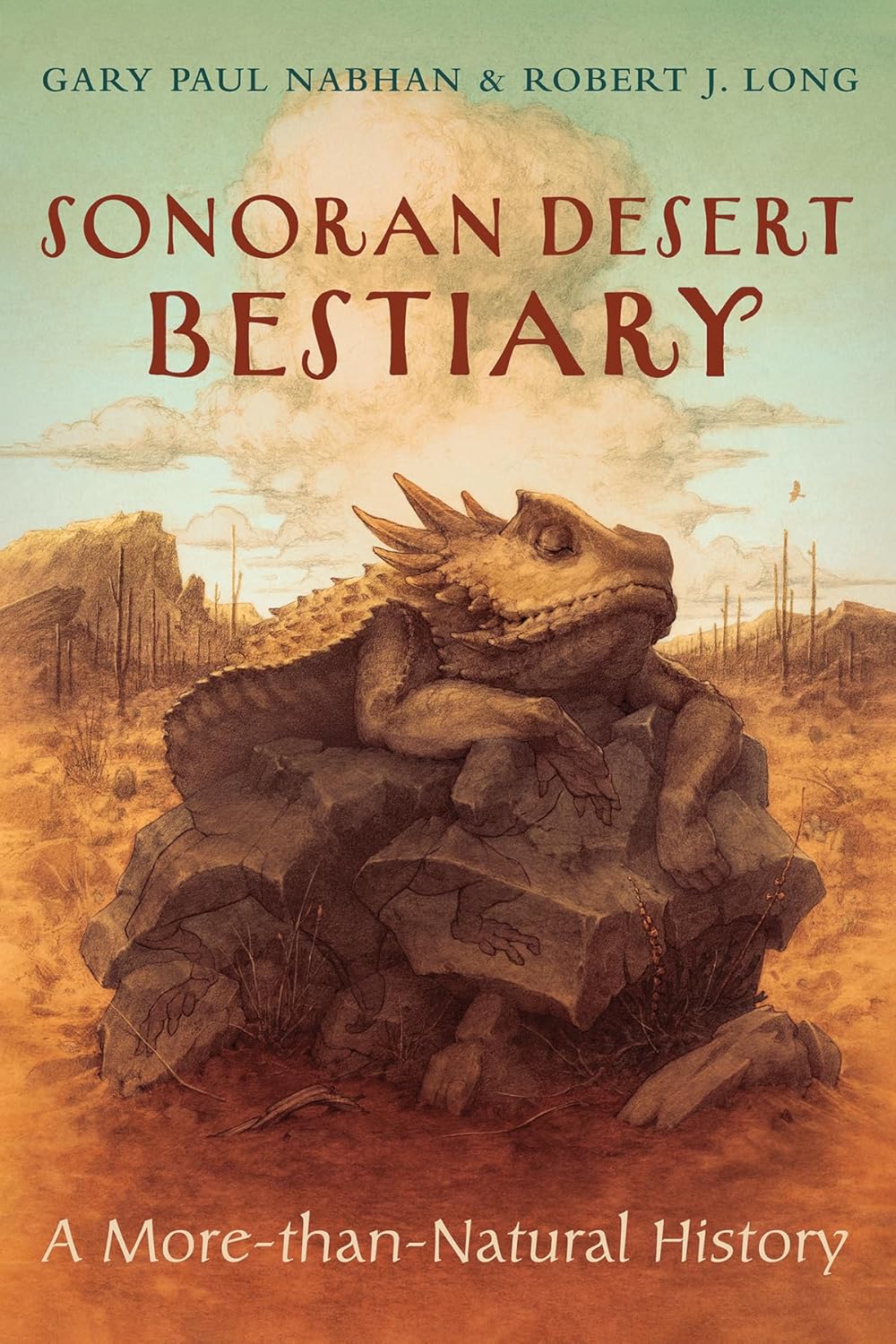
Sonoran Desert Bestiary: A More-than-Natural History

University of Arizona Press |
Essay Collection

The Sonoran Desert has many marvelous and well-known creatures such as the javelina and the coyote, often found on postcards and lawn ornaments. But what about the lesser-known creatures―the ones that are underfoot yet unseen, that lurk only in the shadows and in our imaginations? In this collection of essays, prose poems, and illustrations, naturalist Gary Paul Nabhan and artist Robert J. Long team up to celebrate these unsung beings of the Sonoran Desert.

This desert bestiary includes creatures whose existence lies largely in traditional story and belief, as well as creatures whose life cycles are so cryptic they seem mythic, such as the walking catfish and the carbunco. Positioned at the dynamic intersection of folklore and natural history, the book reflects on the reasons why human imaginations over the ages have reached into this realm of seldom seen but often intuited animals. Focusing on small animals and charismatic mini-fauna, Nabhan expands our understanding of the natural world by delightfully describing the interactions between animals and plants.

This more-than-natural history is for anyone who finds joy in the marvels of the natural world.

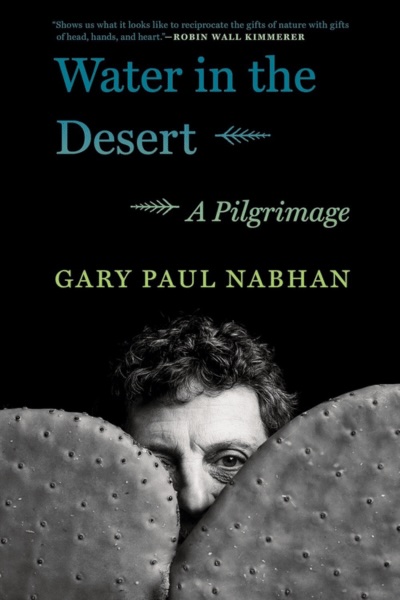
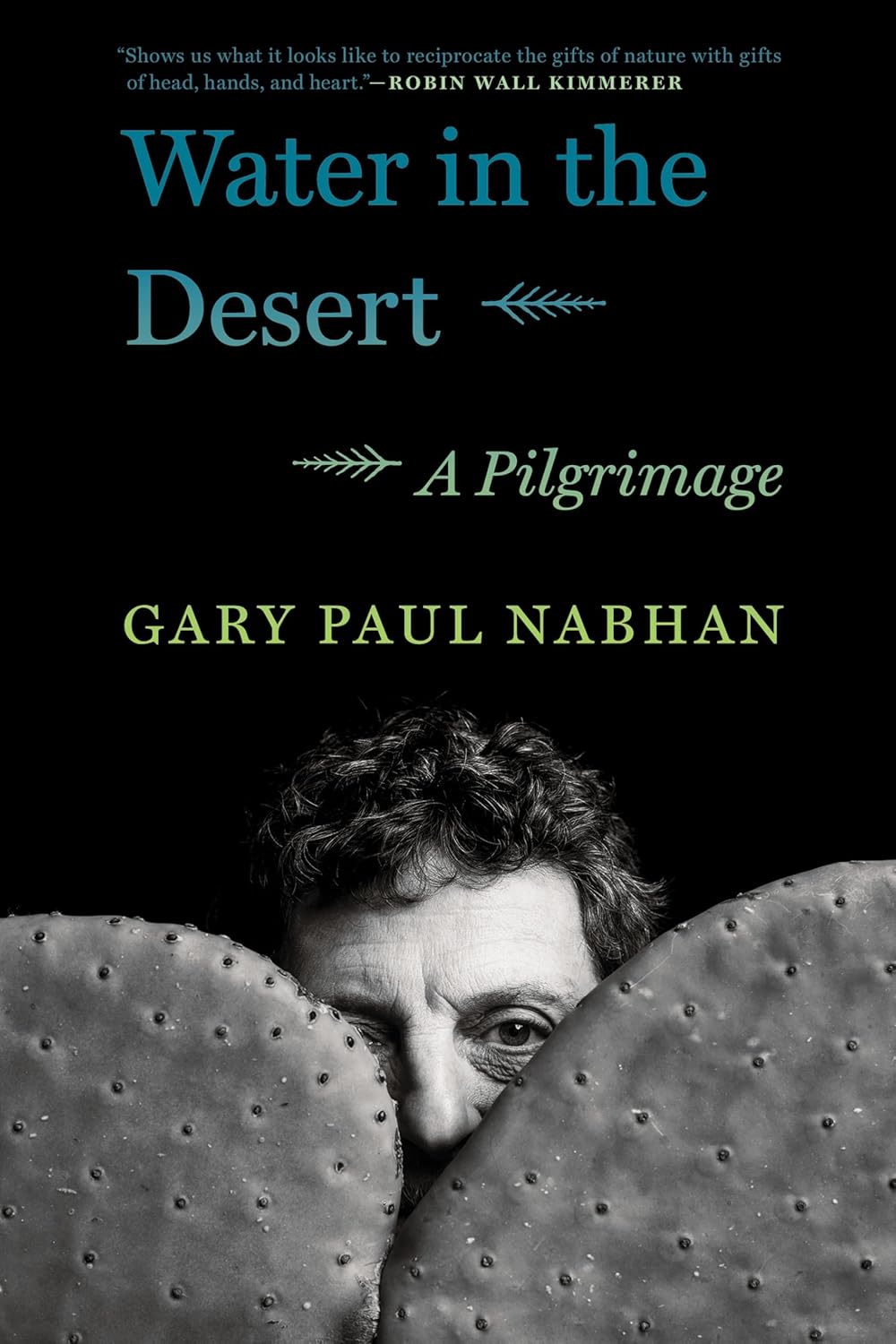
Water in the Desert: A Pilgrimage

Milkweed Editions |
Environmentalism

From acclaimed agrarian activist and ethnobotanist Gary Paul Nabhan, a profoundly inspiring account of interspecies belonging, collaborative conservation, and the sacred work of caring for the earth.

“I went looking for water in the desert and found that the world was teaching me how to listen.”

Celebrated as a “world visionary” (Utne Reader) and our “lyrical poet of biodiversity” (Mother Jones), Gary Paul Nabhan has authored dozens of books and been awarded a MacArthur “genius grant.” In Water in the Desert, he traces the fascinating story of his life, offering in the process a vision for cultural renewal.

As a Lebanese-American boy growing up in the dunes along Lake Michigan’s southern shore, where school is excruciating and symptoms of neurodivergence are diagnosed as disabilities, Nabhan finds refuge and revelation in the natural world. In college, he gravitates to the thinkers now associated with the dawn of ecology as a discipline, writes poetry, and travels to Ecuador and Sonora, Mexico, where he first encounters the Indigenous communities that will come to play a significant role in his life and work. His interest in earth-based spiritual practices leads him to take vows as an Ecumenical Franciscan Brother, which reminds him that “the earth itself—creation, for that matter—was the original scripture.” Late in life, he returns to the land of his Arab ancestors, where he discovers a vision of kinship and climate resilience grounded in faith and ecology. And finally, when construction of the southern border wall begins, he collaborates with religious leaders to affirm Indigenous rights to the sacred places threatened by construction.

At once a refreshing account of a pathbreaking scientist-activist’s kinship with other species and cultures and an inspiring guide to the deeply collaborative ethic and practice of care required to flourish in kinship on Earth, Water in the Desert is a book for our time.

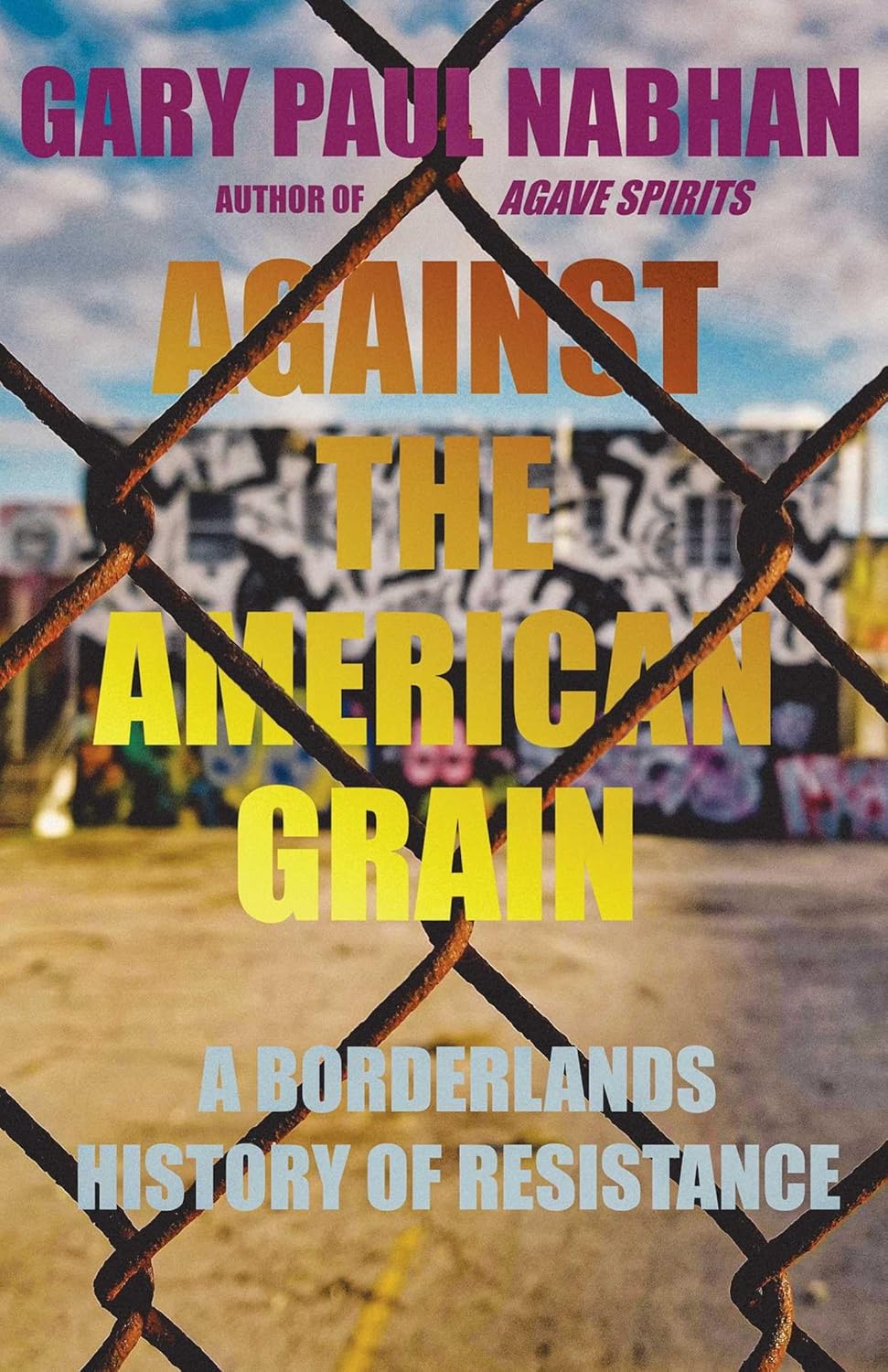
Against the American Grain: A Borderlands History of Resistance

High Road Books |
Biography

New in paper, James Beard Award winning Nabhan (Agave Spirits) creative revolutionaries from the southwest border who change American culture in countless positive ways. A celebration of the artists, activists, and writers who are not Anglo-centric.

A century ago, William Carlos Williams’s In the American Grain profiled Anglo, French, and Spanish conquistadors, tyrants, preachers, and thought leaders who first shaped American culture. Since then, waves of resistance and disruptive innovation have flooded into the rest of America from the arid, southwestern margins of the US-Mexico borderlands.

Now, in Against the American Grain, Gary Paul Nabhan—cultural ecologist, environmental historian, and lyric poet of the American Southwest—illuminates the outlines of a history too long in the shadows. Whether Indigenous, LatinX, priests, nuns, Quakers, or cross-cultural chameleons, it is the resisters, performers, grassroots organizers, nomads, and spiritual leaders from the desert margins who are constantly reshaping America. They have, against all odds, recolored and recovered the future of North America through outrageous acts of resistance.

After reading the stories of Estevanico el Moro, Maria de Ágreda, Teresita de Cábora, Coyote Iguana, Woody Guthrie, Tim X. Hernandez, Cesar Chavez, Dolores Huerta, Reyes Lopez Tijerana, Arturo Sandoval, Lalo Guerrero, John Fife, Danny and Luis Valdez, John Steinbeck and Ed Ricketts, and many more, we can never think about America the same way again. In Nabhan’s magisterial, radical recounting, cross-cultural collaborations have changed the grain of American life to one that is many-colored, once again flourishing with fragrance, faith, and fecund ideas.

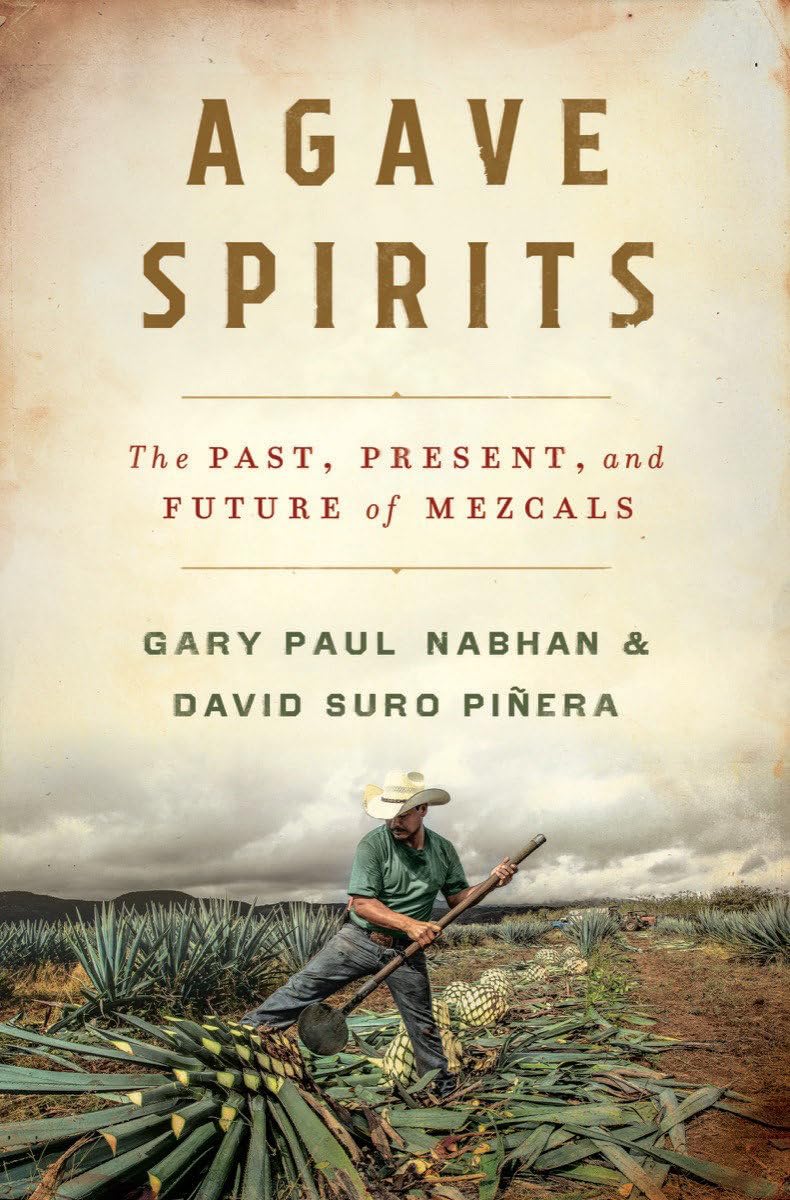
Agave Spirits: The Past, Present, and Future of Mezcals

W. W. Norton & Company |
Climatology

Winner of a 2024 James Beard Award

The agave plant was never destined to become tasteless, cheap tequila.

All tequilas are mezcals; all mezcals are made from agaves; and every bottle of mezcal is the remarkable result of collaborations among agave entrepreneurs, botanists, distillers, beverage distributors, bartenders, and more. How these groups come together in this “spirits world” is the subject of this fascinating new book by the acclaimed ethnobotanist Gary Paul Nabhan and the pioneering restauranteur David Suro Piñera. Join them as they delight in the diversity of the distillate agave spirits, as they endeavor to track down the more distant kin in the family of agaves, and as, along the way, they reveal the stunning innovations that have been transforming the industry around tequilas and mezcals in recent decades.

The result of the authors’ fieldwork and on-the-ground interviews with mezcaleros in eight Mexican states, Agave Spirits shows how traditional methods of mezcal production are inspiring a new generation of individuals, including women, both in and beyond the industry. And as they reach back into a rich, centuries-long history, Nabhan and Suro Piñera make clear that understanding the story behind a bottle of mezcal, more than any other drink, will not only reveal what lies ahead for the tradition―including its ability to adapt in the face of the climate crisis―but will also enrich the drinking experience for readers.

Essential reading for mezcal connoisseurs and amateurs interested in unlocking the past of a delightful distillate, Agave Spirits tells the tale of the most flavorful and memorable spirits humankind has ever sipped and savored.

Featuring twelve illustrations by René Alejandro Hernández Tapia and indices that list common and scientific names for agave species, as well as the names of plants, animals, and domesticated agaves used in the production of distillates.

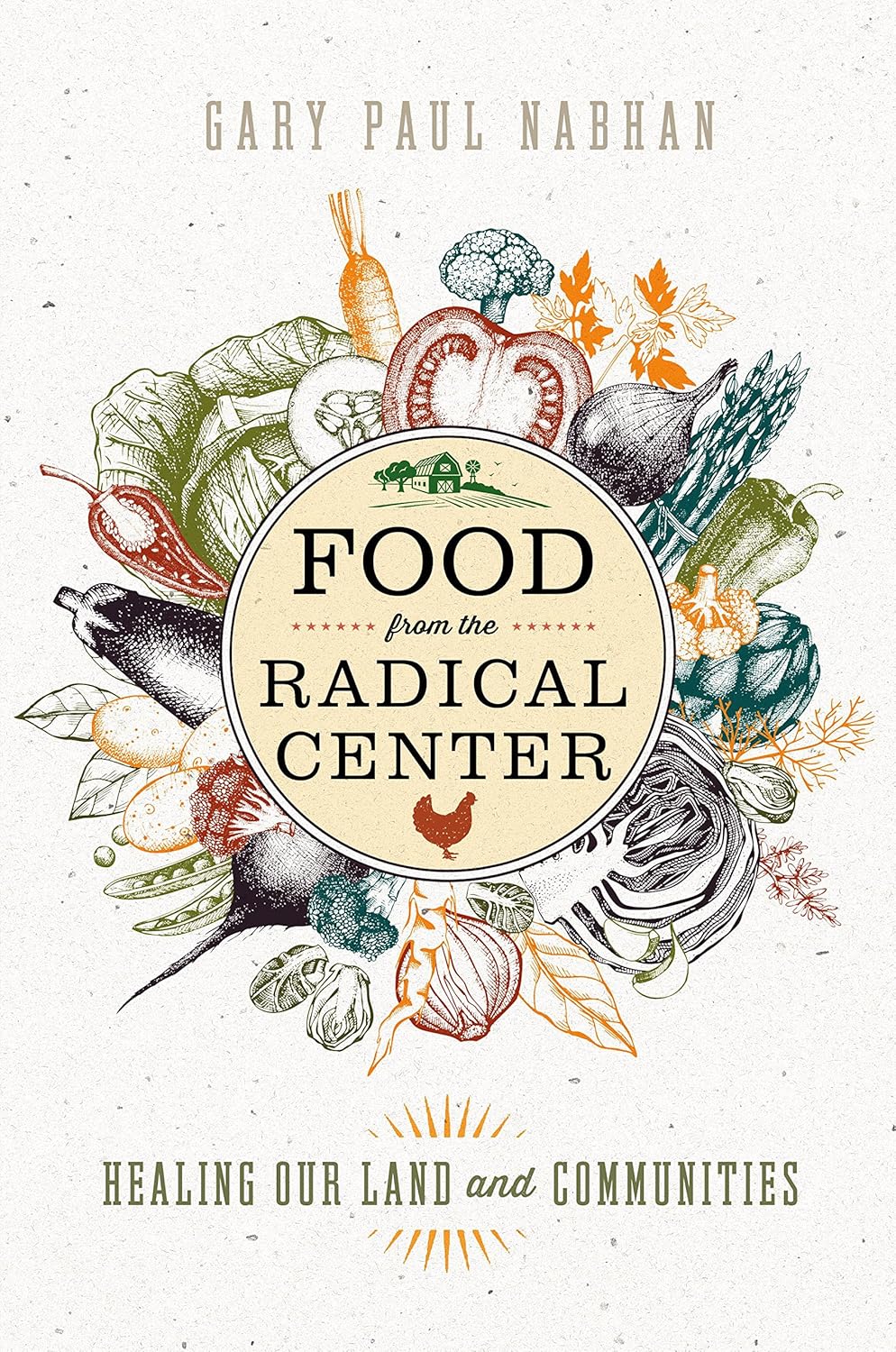
Food from the Radical Center: Healing Our Land and Communities

Island Press |

“Informational and inspirational.” Booklist

America has never felt more divided. But in the midst of all the acrimony comes one of the most promising movements in our country’s history. People of all races, faiths, and political persuasions are coming together to restore America’s natural wealth: its ability to produce healthy foods.

In Food from the Radical Center, Gary Nabhan tells the stories of diverse communities who are getting their hands dirty and bringing back North America’s unique fare: bison, sturgeon, camas lilies, ancient grains, turkeys, and more. These efforts have united people from the left and right, rural and urban, faith-based and science-based, in game-changing collaborations. Their successes are extraordinary by any measure, whether economic, ecological, or social. In fact, the restoration of land and rare species has provided—dollar for dollar—one of the best returns on investment of any conservation initiative.

As a leading thinker and seasoned practitioner in biocultural conservation, Nabhan offers a truly unique perspective on the movement. He draws on fifty years of work with community-based projects around the nation, from the desert Southwest to the low country of the Southeast. Yet Nabhan’s most enduring legacy may be his message of hope: a vision of a new environmentalism that is just and inclusive, allowing former adversaries to commune over delicious foods.

Authors-Unbound_icon-web-link.png

Bridging America's Divide by Hands-On Collaborations to Heal the Earth

American society seems more divided than ever before, but there is a counter movement that move people toward consilience-what we call the radical center (that is more radical than either extremes!) Over five decades of efforts to heal the wounds in the earth and in our cultures, those of us in the collaborative conservation movement have proven that talk only gets so far, but working side-by-side in the trenches reforested lands or healing wounded watersheds has staying power. When someone perceived to be an adversary hands us a tree seedling, or builds a stone water-retention structure with us, we not only get inoculated with beneficial soil and floral microbes, we become reoriented toward hope and reconciliation. Personal examples of helping turn the tide are offered as parables for the future.

Authors-Unbound_icon-web-link.png

Why we need Extemophiles, not Extremists!

Roughly 50 years ago, ecologists began to call the peculiar plants and animals that love under stressful conditions extremophiles- organisms that LOVE challenging conditions. At this point in history when climatre change looms over all of us, we desperately need to gain insights from the biota that live on the edges of hyper arid deserts and hyper saline seas, for the are the laboratories we can explore to design new behaviors, technologies and living spacis through the concept of biomimicry. To do so metaphorically and pragmatically, we need to turn in our membership cards as Homo sapiens who believe they think and act in isolation, and regard ourselves as holobionts, a guild of mutualistic organisms who help buffer one another from extreme stresses. I will give examples from the Galapagos, the Sonoran Desert and the Sea of Cortez (or Gulf of California.)

Authors-Unbound_icon-web-link.png

Attention! The Roots of Science and Poetry: How Attentiveness to Both the Natural Science and Poetry Have Made Me a Better Ally and Problem-solver

In my new book, Water in the Desert: A Pilgrimage, I recount my journey from the sand dunes of the Great Lakes, to deserts, seas and policy-making rooms as I learned to become “a good ally” to other species, cultures and faiths. Learning the capacity of “cognitive switching” in dealing with dauting problems, I forged with others novel pathways to getting conservation, restoration and restorative social justice done in innumerable situations where most stakeholders had hit the wall or given up hope. By learning to be multi-lingual and accepting of other culture’s unique insights, both my science and my poetry trailblazed new arenas.

Authors-Unbound_icon-web-link.png

What Neurodivergent Innovators Contribute to Society and Wildlife Conservation

Two decades ago the term neurodivergence had no currency; today it is used to describe many of the most unusual innovators and cultural creatives in the world. The speaker will outline his own journey from being labeled handicapped with speech problems and behavioral issues, to being mentored by elders who turned his wounds into gifts that include national and international awards for contributions to arts, sciences, conservation, social justice, peace, earth spirituality and sustainable food systems. How do we mentor our youth today for the possibilities of such achievements.

Earth Day at 50: Its Early Role in Sowing Social Justice

Loving the Earth, The Practice of Better

Along the Border, Trump’s Wall

Honors, Awards & Recognition

Founder & Coordinator of Sacred Plants Biocultural Recovery Initiative
Consultant, Pascua Yaqui Nation, & San Antonio World Heritage Office
W.K. Kellogg Endowed Chair Emeritus, University of Arizona
Takreem Foundation Arab-American Laureate, 2024-present
James Beard Award for Food Writing, 2025
Society for Economic Botany, Lifetime Achievement Award, 2017-2018
Society for Ethnobiology, Lifetime Achievement Award, 2016-2017
Utne Reader, Ten People Making the World a Better Place to Live, 2012
MacArthur Fellowship, 1990-1995
Pew Scholarship for Conservation and the Environment, 1991
John Burroughs Medal for Nature Writing, 1986
Premio Gaia for Creative Endeavors regarding the Environment, Sicilian government, 1990
Southwest Book Award, 1986 and 1999
Lannan Literary Award, 1999
Western States Book Award, 1999
Lifetime Achievement Award, Society for Conservation Biology, 2001
Saveur Magazine Best 100 Food Initiatives, 2002 and 2005
Calvin Sperling Award, Crop Science Society of America, 2003
Emil Haury Award, Western Parks and Monuments Association, 2004-2005
Quivira Coalition’s Outstanding Leadership Award in Research, 2007 

Media Kit

By clicking the link below you will be directed to a Google Docs Folder
where you can download author photos and cover images.

Similar Authors

Dan
Nonfiction Writer
Robin
Plant Ecologist, Educator & Writer
Amitav
Award Winning Author & Global Thinker
Greg
Indigenous Educator
Jessica
Bestselling Author

We’ve received your Message!

An AU Representative will connect with you as soon as possible.